Why Savannah Is One of America’s Most Creative Cities
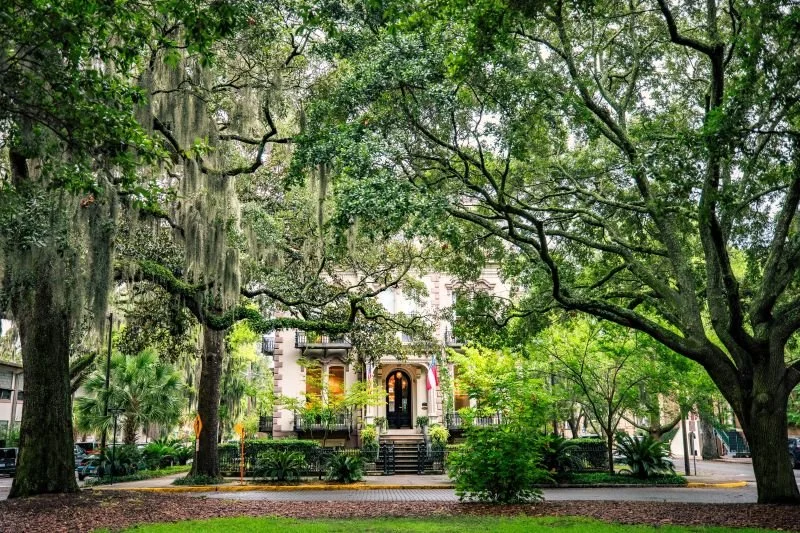

There are beautiful cities, and then there are cities that seem to inspire creativity simply by existing. Savannah belongs in the second category.
Visitors often arrive expecting graceful squares, historic homes, and Spanish moss draped over centuries-old live oaks. Those are certainly part of its charm. But spend a little time wandering its streets, lingering in its cafés, browsing independent shops, or simply slowing down long enough to notice the details, and another story begins to emerge. Savannah is not simply preserving its past. It remains a place where history and creativity live side by side.
Unlike many destinations where art is confined to museums or cultural districts, creativity in Savannah seems woven into everyday life. It appears in thoughtfully designed restaurants and hotels, local galleries tucked inside historic buildings, artisan workshops, beautifully curated storefronts, and public spaces where people gather, sketch, photograph, and create. The city itself encourages observation. Every corner invites you to linger a little longer.
Perhaps that is no accident.
Savannah has long attracted people who value beauty. Its famous plan of interconnected public squares creates one of the most walkable and human-scaled cities in America. The architecture rewards curiosity rather than speed. Every block offers another elegant façade, hidden garden, or inviting corner worth exploring. It is the sort of place where wandering rarely feels aimless because there is always something beautiful waiting just ahead.
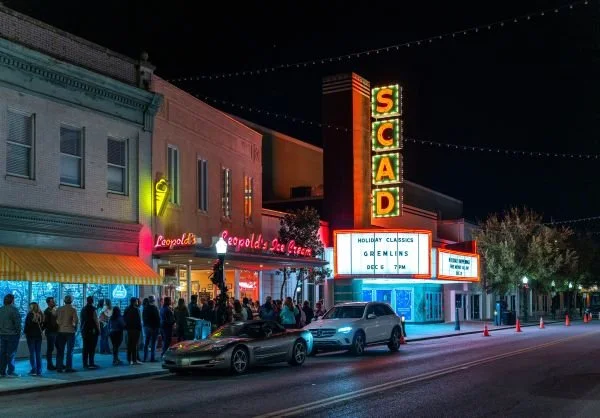
One of the most important chapters in Savannah’s modern creative story began in 1978, when the Savannah College of Art and Design was founded. Classes opened the following year with just 71 students; today, SCAD is one of the largest universities in the world devoted primarily to art and design.
Savannah offered an inspired setting for a new art and design school: remarkable architecture, a strong preservation tradition, and historic buildings with the potential for new life. As SCAD grew, it continued to expand through Savannah rather than retreating to a conventional, self-contained campus. Former schools, warehouses, theaters, commercial buildings, and other historic structures became classrooms, studios, galleries, residences, and performance spaces. What may have begun as a practical and imaginative way to grow gradually developed into one of the university’s defining characteristics.
SCAD did not create Savannah’s artistic spirit, but it recognized and amplified it. By restoring historic buildings instead of replacing them—and by bringing generations of artists, designers, architects, filmmakers, photographers, and creative entrepreneurs into the city—it helped shape the Savannah visitors experience today. History became the foundation for new ideas, demonstrating that preservation and innovation can flourish together.
Visitors may not always recognize SCAD’s influence, but they experience it throughout the city—in beautifully restored buildings filled with new ideas, independent boutiques showcasing local makers, thoughtfully designed cafés and hotels, public art, galleries, and a culture that values craftsmanship as much as preservation. Savannah’s history has not been frozen in time. It continues to provide the setting for new creativity.
Like all great creative cities, Savannah invites participation.
You may arrive planning to photograph the architecture. Instead, you find yourself lingering over a sketchbook in one of the squares. You wander into a gallery you had not planned to visit. You spend an hour browsing a bookstore (like this one with cats!). You begin paying closer attention to light, texture, craftsmanship, and design. Somehow, without trying, you start seeing the world a little differently. Perhaps that is Savannah’s greatest gift.
Reading Savannah
The books below explore several of the qualities that make Savannah such a distinctive destination—from its unforgettable characters and remarkable preservation story to its graceful urban design and culinary traditions. Together, they offer a deeper appreciation for a city where history inspires creativity, and creativity keeps history alive.
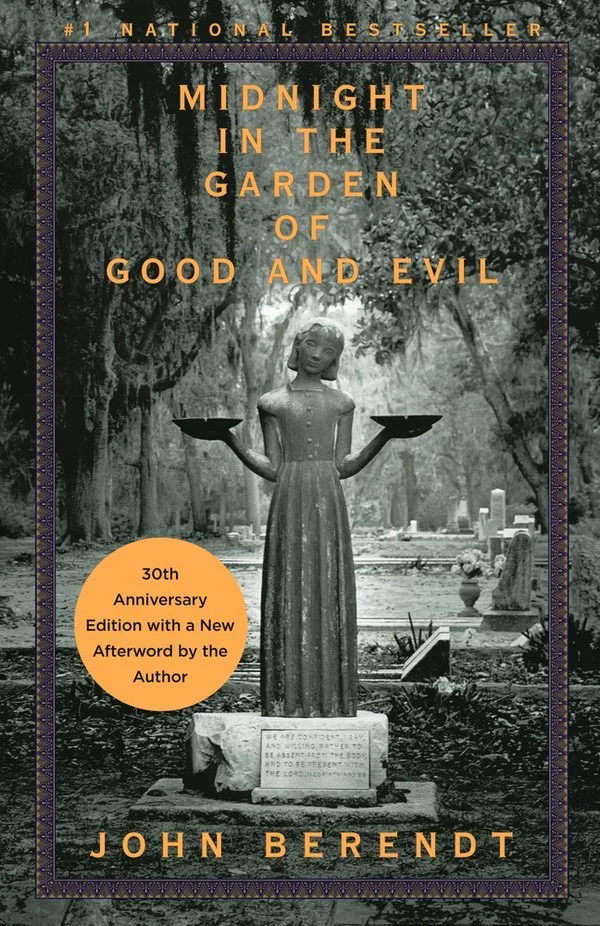
Midnight in the Garden of Good and Evil — John Berendt: A captivating portrait of Savannah’s unforgettable characters, elegant social world, and enduring sense of mystery.
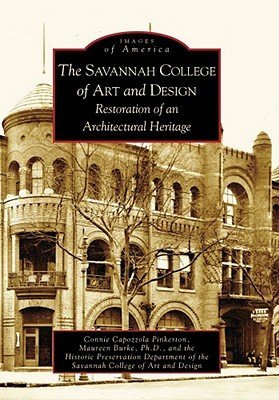
The Savannah College of Art and Design: Restoration of an Architectural Heritage — Connie Capozzola Pinkerton, Maureen Burke, and the SCAD Historic Preservation Department: A photographic history of how SCAD restored historic buildings and became deeply woven into Savannah’s creative identity.
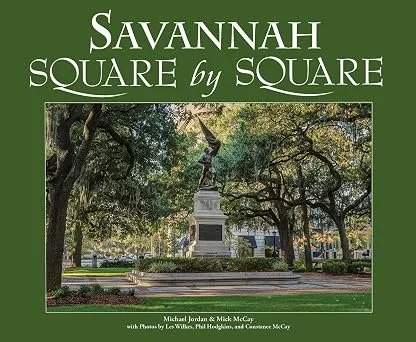
Savannah Square by Square — Michael Jordan and Mick McCay: A beautifully photographed journey through Savannah’s iconic squares and the design, architecture, and stories that distinguish each one.
A Real Southern Cook: In Her Savannah Kitchen — Dora Charles: Part cookbook and part memoir, celebrating the recipes, family stories, and Lowcountry traditions rooted in Charles’s Savannah upbringing.
The books featured below have been selected to deepen the story of Savannah through its literature, architecture, design, and food. Travelreads is proud to partner with Bookshop.org, where purchases help support independent bookstores.

Discover more books, stories, and destinations that bring the American South to life on the Travelreads American South Bookshelf.