Reading Mexico City Through Food
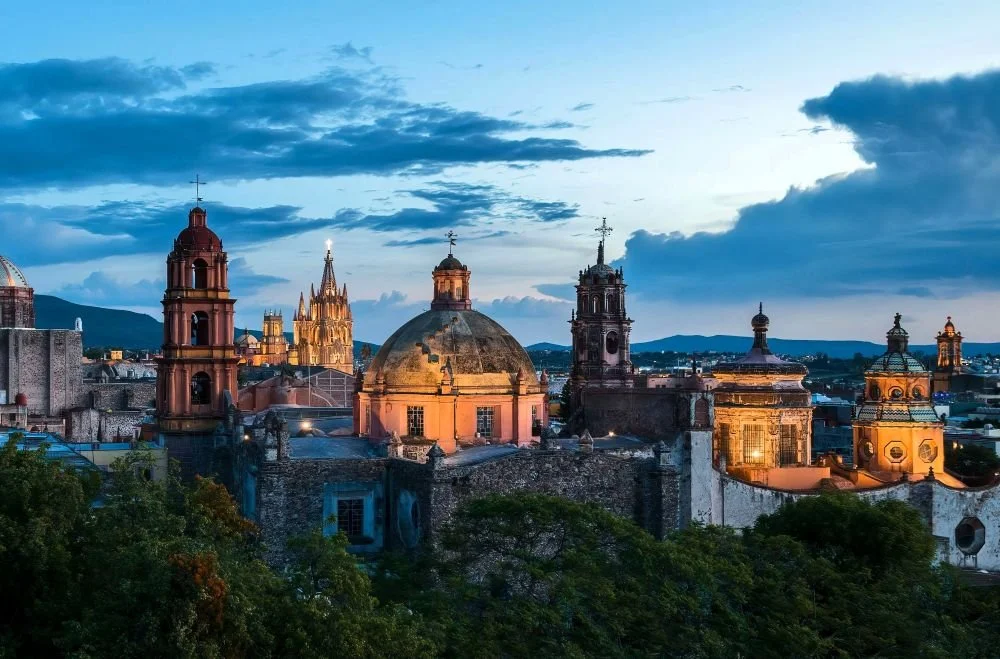
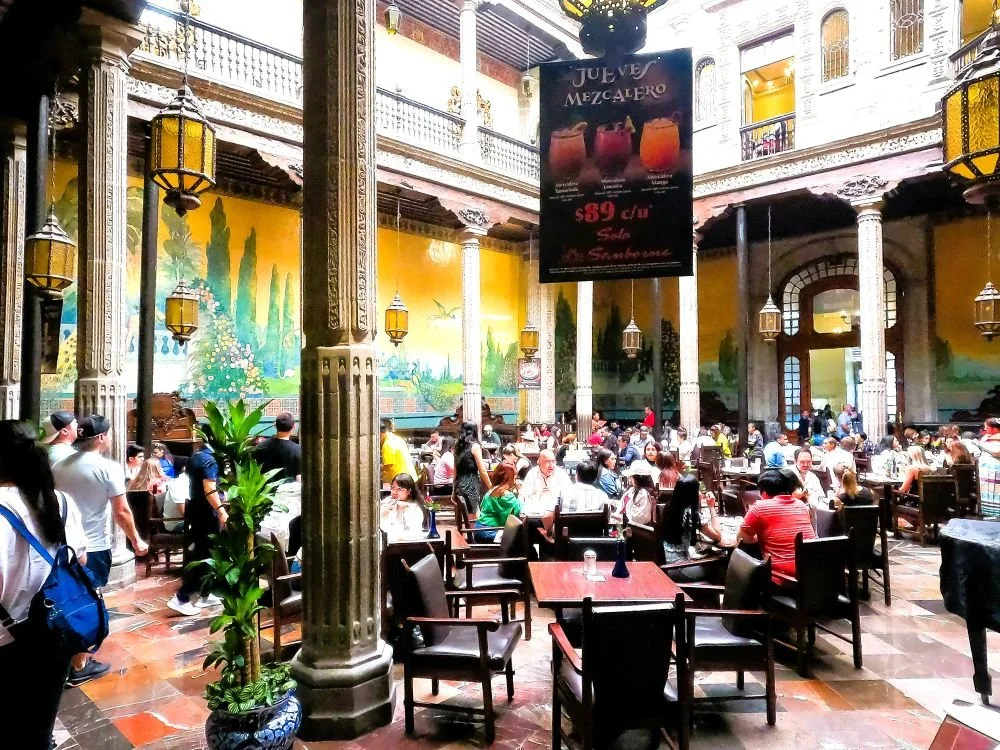
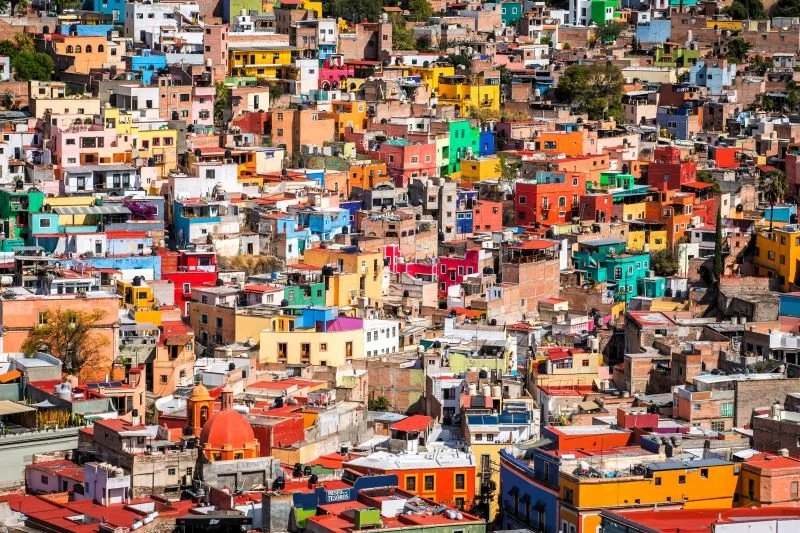
Most people arrive in Mexico City expecting one thing: extraordinary food. They have read about restaurants that rank among the best in the world. They have reservations at Pujol or Quintonil, a list of tacos to try, and perhaps a bakery or two marked on a map. They expect remarkable meals, but that is only the beginning.
Spend enough time in Mexico City and food stops being the destination. It becomes the thread that ties everything else together. Follow that thread and it leads through the leafy streets and restored mansions of Roma Norte, the Art Deco buildings and neighborhood cafés of Condesa, the plazas and old family homes of Coyoacán, and the crowded streets surrounding the historic center. Along the way are contemporary galleries, independent bookstores, family-run tortillerías, and some of the most creative kitchens anywhere in the world. Before long, the restaurants become only one chapter in a much larger story. That story often begins in a market.
There is something endlessly fascinating about wandering through one of Mexico City’s mercados. Mercado de Medellín, tucked between Roma Norte and Roma Sur, is filled with produce, flowers, prepared foods, and ingredients reflecting communities from across Mexico, the Caribbean, and Latin America. Mercado de San Juan, closer to the historic center, has a more specialized character, known for unusual ingredients, seafood, cheeses, and foods sought out by professional cooks as well as curious visitors. Neither feels like a carefully staged attraction. Both remain working markets shaped by the people who shop and eat there every day.
Elsewhere, Mercado Jamaica overflows with flowers alongside produce, sweets, piñatas, and prepared food, while the market in Coyoacán reflects the livelier, more traditional side of a neighborhood often associated with Frida Kahlo, cobblestone streets, and shaded public squares. These places reveal different versions of Mexico City, but the rhythm is similar. Vendors arrange avocados, nopales, fragrant herbs, tropical fruit, and seemingly endless varieties of chile. Fresh tortillas emerge from warm presses. Bowls and pastes of mole sit beside nuts, seeds, spices, and ingredients that have shaped Mexican cooking for centuries. Families stop to buy dinner. Office workers linger over a quick lunch. The market is not separate from city life; it is one of the places where city life becomes most visible.
The remarkable thing is that this same rhythm continues into the city’s finest restaurants.
Chefs like Gabriela Cámara have earned international acclaim, but their work is remarkable not because it abandons tradition. It succeeds because it understands it so deeply. The ingredients, techniques, and recipes that appear in celebrated dining rooms often begin in the same markets that local families visit every day. The conversation between tradition and innovation never really stops; it simply changes settings.
That conversation can be felt across the city. In Roma Norte, old houses now hold bakeries, galleries, restaurants, and design shops, yet neighborhood food stands remain part of the streetscape. In Condesa, a walk beneath the trees of Avenida Ámsterdam might lead from coffee and pastries to a bookstore, a sidewalk lunch, or an unexpectedly memorable dinner. Farther south, Coyoacán moves at a different pace, with courtyards, plazas, markets, and older traditions that make central Mexico City feel momentarily distant.
And somewhere between breakfast at a neighborhood café, an afternoon wandering through Roma Norte, a visit to Cafebrería El Péndulo on Álvaro Obregón, and dinner that evening, something begins to shift. Mexico City becomes more than a food destination. It becomes a city of neighborhoods rather than landmarks. Of conversations rather than checklists. Of creativity rooted in everyday life rather than spectacle. The meals remain unforgettable, but they become part of something much larger.
Perhaps that is why the city’s food feels so memorable. It is not simply delicious. It tells a story about where people live, what they value, and how generations of tradition continue to shape contemporary life. That is also why Mexico City rewards reading as much as eating.
The books below continue that journey from different perspectives. Some introduce the markets and recipes that define everyday life. Others explain the chefs who have brought Mexican cuisine to global attention. One captures the culture and emotions woven into food itself, while another celebrates the beauty of the city through extraordinary photography. Together they reveal a Mexico City that is creative, sophisticated, deeply rooted in tradition, and full of surprises.
Reading Mexico City
CDMX: The Food of Mexico City — Rosa Cienfuegos (2024): A vibrant exploration of the markets, street food, bakeries, neighborhood cafés, and home cooking that make Mexico City's culinary culture one of the richest in the world.
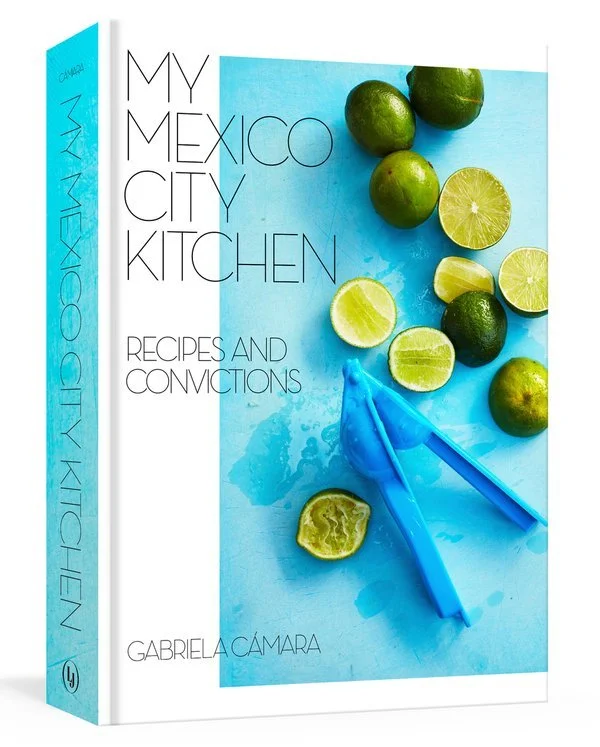
My Mexico City Kitchen — Gabriela Cámara (2019): The celebrated chef behind Contramar shares recipes that demonstrate how contemporary Mexican cooking grows naturally from traditional ingredients, seasonal markets, and everyday techniques.
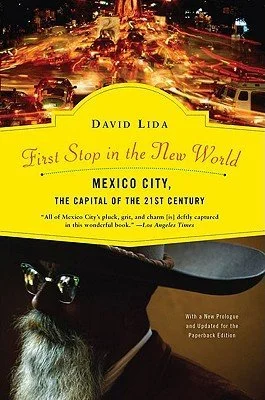
Mexico City — David Lida (2008): An engaging portrait of one of the world's largest cities, exploring its neighborhoods, architecture, history, contradictions, and remarkable cultural energy through the eyes of a longtime resident.
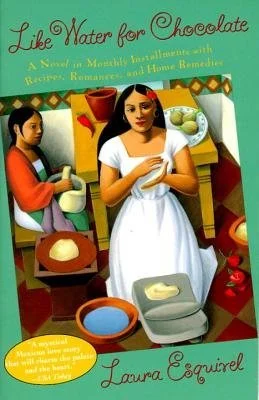
Like Water for Chocolate — Laura Esquivel (1989): One of Mexico's most beloved novels, where recipes become expressions of love, memory, family, and identity, reminding readers that food carries stories long before it reaches the table.
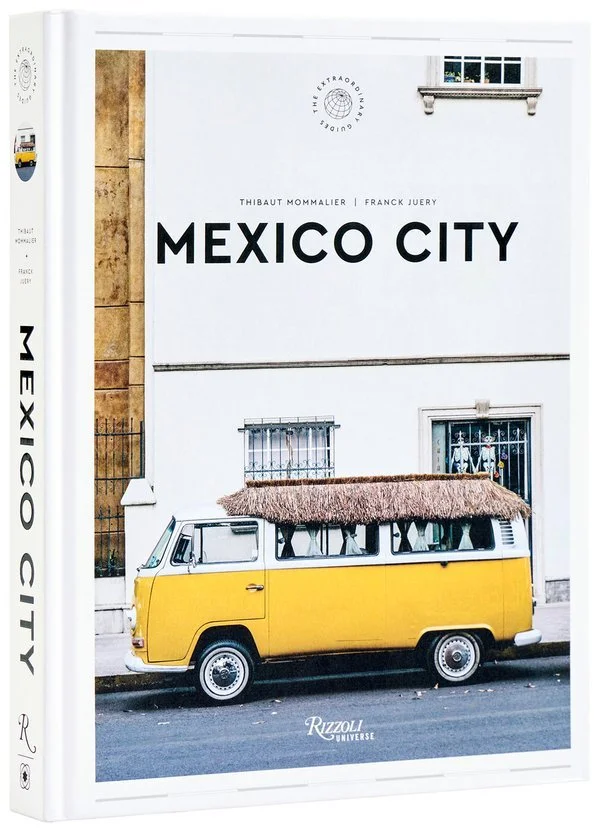
Mexico City: The Extraordinary Guide — Thibault Mommalier & Franck Juery (2025): Once you've discovered Mexico City through its food, this beautifully illustrated companion helps you explore the neighborhoods, markets, galleries, and hidden corners that give the city its unmistakable character.
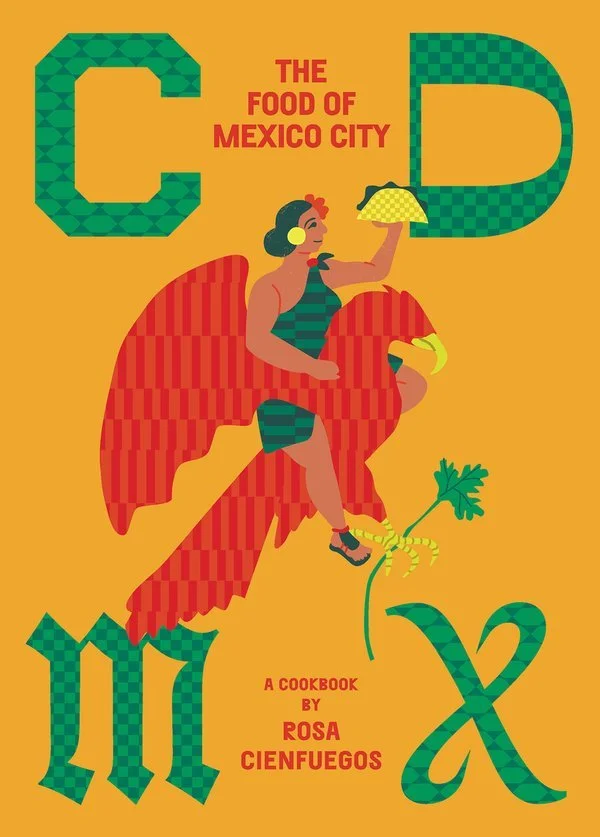
Travelreads is proud to partner with Bookshop.org to support independent bookstores. The book covers below link directly to Bookshop, where every purchase helps support local booksellers while helping readers discover extraordinary places through books.
If this essay has inspired you to experience Mexico City more deeply, explore our complete Mexico bookshelf for additional books that celebrate the country's history, culture, cuisine, and remarkable places.