
The Best Travel Books We Recommend
The best travel books do far more than inspire a future trip. They introduce us to unforgettable people, reveal the deeper character of a place, and encourage us to see the world with greater curiosity.
This handpicked Travelreads list brings together the books we recommend the most and return to most often. Many have also been reviewed in depth on Travelreads, reflecting the books and writers we believe are especially worth discovering. From classic travel writing and deeply personal memoirs to extraordinary journeys, destination-defining stories, and works of adventure and exploration, some will lead you somewhere new; others will transform the way you understand a place you already know.
Browse our staff picks below, then visit the Travelreads shelf on Bookshop.org to purchase many of these titles while supporting independent bookstores.

Tell Them My Name, by Laura Maya
Tell Them My Name captures the magic that happens when two Himalayan farmers who've never left their village find themselves navigating European metros with their unlikely French-Australian companions. Laura Maya's unique and extraordinary true story proves the most impossible dreams can bloom from the most unlikely friendships. Four strangers speaking barely a common language decide to adopt each other as family, creating a month-long cross-cultural odyssey that transforms everyone involved and will leave you believing in the beautiful absurdity of human connection. The journey begins when Laura and her French husband David arrive as volunteers in Dar Kumari and Nar Bahadur's remote Nepali village — reachable only on foot, without electricity — and ends with the couple inviting their adopted "Aama" and "Baba" to experience life in Europe, traveling together through six countries. Highly recommended - this is the best travel book we have read in years.
The Essential Travel Books
A Walk in the Woods, by Bill Bryson
A Walk in the Woods chronicles Bill Bryson's wildly entertaining misadventure on the Appalachian Trail, masterfully weaving sharp humor with historical insights and vivid nature writing. Bryson's razor-sharp wit and candid self-awareness make every mishap memorable as he and his endearingly flawed companion Stephen Katz stumble through America's backcountry, transforming what could have been a simple hiking memoir into an irresistible page-turner that ranks among our highest recommendations. Though they never conquer the trail's full 2,200 miles, Bryson delivers something better: a richly layered exploration of the AT's colorful past and the peculiar, obsessive world of thru-hikers. Robert Redford brought the story to screen in a 2015 adaptation. Read our full book review here.
The Great Railway Bazaar, by Paul Theroux
The Great Railway Bazaar is the book that made Paul Theroux, and, some would argue, modern travel writing itself. His account of a four-month train journey from London to Tokyo and back, first published in 1975, remains as sharp and alive as ever: a masterclass in the art of going slowly through a fast-changing world. Theroux is a difficult traveling companion in the best possible way — restless, skeptical, impossible to please — and that friction is exactly what makes the book so readable. He moves through India, Southeast Asia, and Japan with an outsider's eye and a novelist's ear, filling every carriage with characters who linger long after the journey ends. This is travel writing without the gloss. The landscapes are real, the discomforts are real, and the people Theroux meets are rendered with an honesty that flatters no one, including himself. Fifty years on, it holds up as one of the essential books in the genre. Read our review of The Great Railway Bazaar.
A Cook’s Tour, by Anthony Bourdain
In A Cook’s Tour, Anthony Bourdain sets off around the world in search of what he calls the “perfect meal,” using food as his entry point into the cultures and communities he encounters along the way. He slurps noodles and samples regional specialties in Vietnam, explores traditional cooking in Portugal and Japan, visits bustling markets and family homes, and repeatedly seeks out the kinds of meals most travelers might never think to try. Bourdain brings his trademark humor, curiosity, and willingness to embrace the unfamiliar to every stop, but the book is about much more than eating. He is fascinated by the people behind the food and by what a meal can reveal about history, class, tradition, and everyday life. That combination of great travel writing, memorable characters, and fearless culinary exploration makes A Cook’s Tour one of Travelreads’ strongest recommendations. It is also an early glimpse of the travel philosophy Bourdain would later bring to television: go beyond the obvious sights, sit down with people, eat what they eat, and try to understand a place on its own terms. Read the full book review of A Cook’s Tour here.
Black Ghosts: A Journey Into the Lives of Africans in China, by Noo Sara-Wiwa
In Black Ghosts, British-Nigerian writer Noo Saro-Wiwa travels through China in search of its African economic migrants — known as "Black Ghosts" — navigating a country that offers opportunity while withholding recognition. Her encounters range from a Ghanaian cardiac surgeon to a drug dealer, a visa overstayer, and men married to Chinese women who speak English with Nigerian accents. Saro-Wiwa's own experience moving through China as a Black woman deepens every page, and the result is a story of intersecting cultures told with candor and compassion. The book won the 2025 Edward Stanford Travel Book of the Year — one of the field's highest honors — with judges praising Saro-Wiwa for pursuing a community that is genuinely hard to find and telling their stories with sensitivity and care.
Eat Pray Love, by Elizabeth Gilbert
Eat, Pray, Love by Elizabeth Gilbert is a bestselling memoir about a year spent rebuilding her life through travel after a painful divorce and a period of deep uncertainty. Gilbert divides the journey among three countries, each representing something she feels she has lost: pleasure in Italy, devotion in India, and balance in Indonesia. In Rome and other parts of Italy, she gives herself permission to enjoy life again, studying Italian, lingering over pasta, pizza, wine, and gelato, and discovering the simple pleasure of moving through a city without an agenda beyond curiosity and appetite. She then travels to an ashram in India, where the pace changes dramatically as she confronts silence, discipline, meditation, and the more difficult parts of her own emotional life. In Bali, she studies with a traditional healer, settles into the rhythms of island life, forms new friendships, and unexpectedly opens herself to love again. Gilbert writes with humor and candor about loneliness, desire, faith, food, fear, and the strange freedom that can come from being far from home. More than a memoir of self-discovery, Eat, Pray, Love is also a vivid celebration of how different places can reshape a traveler in different ways, making it one of the most influential travel memoirs of its generation. Read our full book review here.
In Xanadu: A Quest, by William Dalrymple
In Xanadu is a captivating travelogue that follows the young William Dalrymple as he retraces Marco Polo's 13th-century journey from Jerusalem to Kublai Khan's summer palace. With wit, charm, and a keen eye for detail, Dalrymple brings history to life while navigating the complexities of modern-day Middle East and Central Asia. His encounters with locals, from helpful strangers to suspicious officials, add depth and humor to the narrative. Dalrymple's vivid descriptions transport readers to bustling bazaars, remote mountain passes, and ancient ruins, making this book a must-read for anyone with a passion for travel, history, or simply a great adventure. Read our review of In Xanadu here.
Shark’s Fin and Sichuan Pepper, by Fuchsia Dunlop
Shark’s Fin and Sichuan Pepper is Fuchsia Dunlop’s fascinating account of falling in love with China through its food. Arriving in Chengdu in the 1990s, Dunlop became one of the first Western students to train professionally at the Sichuan Institute of Higher Cuisine, throwing herself into a culinary culture that was almost entirely unfamiliar to her. She learns to navigate bustling markets and restaurant kitchens, develops an obsession with the bold flavors of Sichuan cooking, and encounters dishes that challenge her own assumptions about what should—or should not—be eaten. But the book becomes much more than a food memoir. As Dunlop travels around China, sharing meals and learning from cooks, food becomes her entry point into Chinese history, traditions, regional identity, and everyday life. Warm, curious, and often very funny, Shark’s Fin and Sichuan Pepper is a wonderful example of how deeply a traveler can come to understand a place simply by learning how—and why—its people eat.
Catfish and Mandala, by Andrew X. Pham
Catfish and Mandala is a knockout journey of self-discovery that'll light a fire in your soul. Andrew X. Pham's memoir takes us on a wild bike ride through Vietnam, mixing his past and present in a way that'll grab you. As he wrestles with being Vietnamese-American, his raw, honest writing gets you thinking about your own roots. Pham grew up fleeing Vietnam by boat as a child, and that haunted history shadows every mile of his journey back, giving the book a weight that sets it apart from most cycling memoirs. His encounters along the way, from suspicious locals who see him as an overseas Vietnamese who abandoned his country, to American veterans still processing their own complicated relationship with the land, add layer after layer to an already rich story. This isn't just a travel story - it's about the guts it takes to face your heritage head-on. Read our full book review here.
A Stranger in Your Own City: Travels in the Middle East's Long War, by Ghaith Abdul-Ahad
When the invasion of Iraq began in 2003, Ghaith Abdul-Ahad was a Baghdad architect. Within months he had become a translator, then a fixer, then a journalist — chronicling the unbuilding of his centuries-old cosmopolitan city. The book that emerged from two decades of bearing witness is unlike any other account of the Middle East's long wars. This is not an inventory of conflicts or a work of political history, but the tale of a people who watched a foreign army invade, topple their leader, demolish the state, and invent a new country in its place. Through visceral, sometimes firsthand accounts, Abdul-Ahad tells the stories of victims and perpetrators alike, never retreating into artificial neutrality. The result is an engaging blend of memoir, reportage, and interviews that illuminates the personal motivations of ordinary Iraqis caught inside catastrophic societal breakdown. Winner of the 2024 Edward Stanford Travel Book of the Year, it is the rare book that returns the story of a war to the people who actually lived it.
The Salt Path, by Raynor Winn
The Salt Path by Raynor Winn is a memoir that chronicles an extraordinary journey of resilience and hope. After losing their home and livelihood, and facing a terminal illness diagnosis, Winn and her husband Moth embark on a 630-mile walk along England's South West Coast Path. With little more than a tent and meager savings, they navigate the rugged coastline, battling harsh weather and physical challenges. Throughout their trek, the couple discovers the healing power of nature, the kindness of strangers, and a renewed sense of purpose. Winn's honest and reflective narrative captures their transformation from despair to acceptance, illustrating how adversity can lead to unexpected personal growth and a deeper appreciation for life's simple pleasures. Read our full book review of The Salt Path here.
Moonlight Express: Around the World by Night Train, by Monisha Rajesh
In Moonlight Express: Around the World by Night Train, Monisha Rajesh celebrates the romance, unpredictability, and enduring magic of traveling while the rest of the world sleeps. Moving through Europe, India, South Africa, North America, and Peru, she spends night after night aboard sleeper trains, watching cities disappear into darkness and waking to entirely new landscapes outside the window. Along the way, Rajesh encounters elegant dining cars, crowded berths, rattling compartments, border crossings, late departures, unexpected delays, and the constantly changing cast of strangers who briefly become companions on the journey. Some trips feel luxurious, others decidedly less so, but that contrast is part of the appeal. Rajesh is especially good at capturing the small rituals of overnight rail travel: settling into a berth, sharing food with fellow passengers, navigating unfamiliar stations, and experiencing the strange intimacy that develops when people spend hours together in a confined space. Written with warmth, humor, and genuine affection for life on the rails, Moonlight Express is both a celebration of train travel and a reminder that slowing down can make the journey itself every bit as memorable as the destination.
The Geography of Bliss, by Eric Weiner
The Geography of Bliss is a witty and thought-provoking travelogue by Eric Weiner that explores how different cultures understand and pursue happiness. Weiner, a self-described “grump,” spends a year traveling to countries that rank very differently on global measures of well-being, hoping to discover why some societies seem more content than others. His journey takes him to places including Bhutan, Iceland, Switzerland, Thailand, Qatar, India, and Moldova, where he talks with locals, researchers, monks, officials, and ordinary residents about the things that shape everyday happiness. Along the way, he considers everything from wealth and government policy to religion, community, expectations, climate, and the value people place on work and leisure. The contrasts are often surprising: prosperous societies are not always the happiest, while places with fewer material advantages sometimes possess a stronger sense of belonging or purpose. Weiner keeps the book lively with self-deprecating humor and a healthy skepticism about easy answers, making The Geography of Bliss both an entertaining journey around the world and an engaging meditation on what it actually means to live well. Read our full book review of The Geography of Bliss here.
Under the Tuscan Sun, by Frances Mayes
Under the Tuscan Sun is a charming memoir by Frances Mayes that whisks readers away to the sun-drenched hills of Tuscany. Published in 1996, the book chronicles Mayes’ experience of purchasing and restoring Bramasole, a neglected villa near Cortona, and gradually building a new life around it. Her accounts of repairing stone walls, uncovering old rooms, tending the garden, cooking with seasonal ingredients, and sharing long meals with neighbors bring the rhythms of Tuscan daily life into sharp focus. Food plays an especially important role, with descriptions of fresh tomatoes, olive oil, wine, herbs, and simple regional dishes woven throughout the story. Mayes also explores nearby hill towns, markets, churches, and country roads, capturing the beauty of a landscape shaped by vineyards, cypress trees, and centuries of history. Her growing connection to the house, the land, and the people around her gives the memoir much of its warmth, helping make Under the Tuscan Sun an enduring favorite for readers who dream of slowing down and experiencing life in the Italian countryside. Read our full book review here.
The Innocents Abroad, by Mark Twain
The Innocents Abroad, one of the foundational works of American travel writing, chronicles Mark Twain’s 1867 journey through Europe and the Holy Land aboard the steamship Quaker City. Traveling with a large group of American tourists, Twain visits destinations including Paris, Genoa, Venice, Florence, Rome, Athens, Constantinople, and Jerusalem, recording the experience with the skepticism and humor that would become his trademark. He is fascinated by the monuments, churches, ruins, and works of art he encounters, but just as interested in puncturing the exaggerated reverence that tourists are often expected to feel toward them. Twain mocks guidebook clichés, unimpressive relics, opportunistic guides, and his fellow travelers’ tendency to treat every famous site as automatically profound. Yet beneath the satire is genuine curiosity about how Americans see the wider world and how travel can challenge preconceived ideas. Part comedy, part cultural critique, and part record of a rapidly changing era of tourism, The Innocents Abroad remains both enormously entertaining and surprisingly modern in its willingness to question the rituals and assumptions of sightseeing. Read our full book review of The Innocents Abroad.
Great Journeys & Adventures
Wild: From Lost to Found on the Pacific Crest Trail, by Cheryl Strayed
Wild by Cheryl Strayed is a raw and captivating memoir that follows her 1,100-mile solo hike along the Pacific Crest Trail, undertaken at a moment when her life had largely fallen apart. Reeling from the death of her mother, the collapse of her marriage, and a period of self-destructive behavior, Strayed sets out with an overstuffed backpack, little hiking experience, and no clear idea of what the trail will demand from her. Along the way, she battles brutal heat, snow, aching feet, lost toenails, loneliness, fear, and the sheer physical strain of moving day after day through the mountains and deserts of the American West. Yet the trail also gives her long stretches of solitude in which to confront the grief and choices that brought her there. Strayed is candid about both her mistakes and her determination, making the journey feel intensely personal without losing sight of the extraordinary landscapes around her. More than an adventure story, Wild is a powerful account of resilience, grief, and the way an unfamiliar journey can sometimes create the space needed to begin again. Read our review of Wild here.
Into Thin Air, by Jon Krakauer
In Into Thin Air, Jon Krakauer delivers a harrowing firsthand account of the 1996 Mount Everest disaster that left eight climbers dead in a single day. Krakauer had joined a guided expedition as a journalist for Outside magazine, intending to report on the growing commercialization of Everest, but instead found himself caught in one of the mountain’s most notorious tragedies. He reconstructs the climb in gripping detail, from the crowded route toward the summit and delayed turnaround times to the sudden storm that trapped exhausted climbers high on the mountain. Along the way, Krakauer describes the brutal effects of extreme altitude, oxygen deprivation, frostbite, exhaustion, and impaired judgment, as well as the difficult decisions made when rescue was nearly impossible. He is also unsparing about his own actions and memories, returning again and again to questions of responsibility, guilt, and what might have been done differently. More than a mountaineering story, Into Thin Air is a powerful examination of ambition, risk, leadership, and the uneasy transformation of Everest into a destination for paying adventurers. Read our book review of Into Thin Air here.
On the Road, by Jack Kerouac
On the Road, Jack Kerouac's seminal novel and one of the classics in travel literature, revolutionized American travel writing and defined the Beat Generation. Published in 1957, it follows Sal Paradise's cross-country adventures, capturing the restless spirit of post-war America through stream-of-consciousness prose. The novel's most electric passages trace Sal's trips with the charismatic Dean Moriarty, tearing across the American West in stolen cars with nothing but jazz on the radio and the open highway ahead. Kerouac's real subject is motion itself: the blur of landscape, the characters who drift in and out, and the feeling that meaning lives somewhere out on the highway rather than at any particular stop along it. This groundbreaking approach influenced countless authors and continues to inspire wanderlust in readers decades later. See our full book review here.
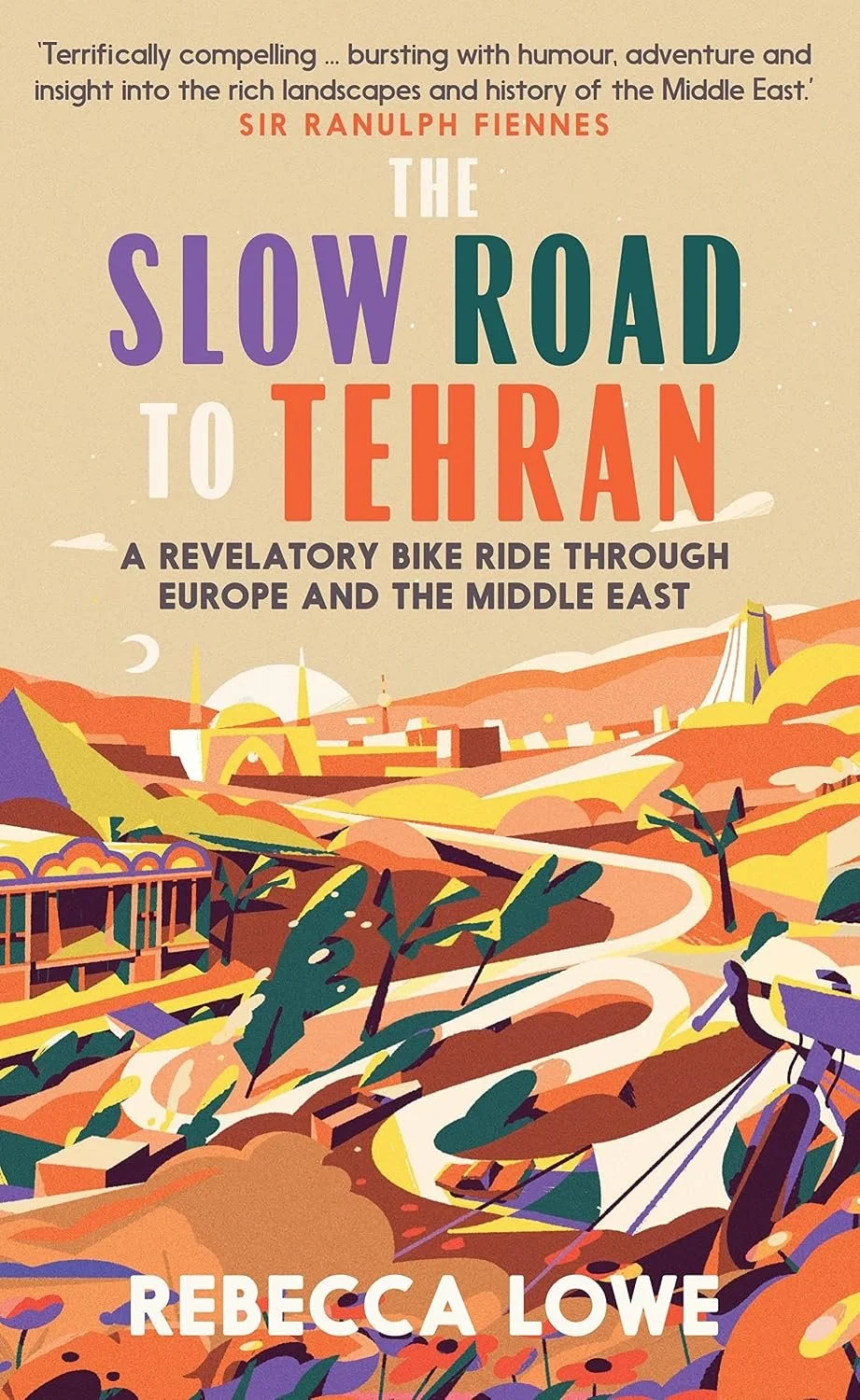
The Slow Road to Tehran, by Rebecca Lowe
In The Slow Road to Tehran, British journalist Rebecca Lowe sets out alone on an extraordinary 11,000-kilometer bicycle journey from London to Tehran, riding across Europe before continuing through Turkey, Lebanon, Jordan, Egypt, Sudan, the Gulf, and finally Iran. What begins as an ambitious physical adventure becomes something much richer: a journey into a part of the world often reduced to headlines about war, religion, and politics. Lowe stays with families, talks with people she meets along the road, struggles through deserts and border crossings, and experiences remarkable generosity from strangers, all while bringing a journalist’s curiosity to the history and tensions surrounding her. Funny, thoughtful, and filled with the unpredictability of traveling slowly through unfamiliar places, The Slow Road to Tehran is both a great modern adventure story and an excellent reminder of how different the world can look when it is encountered one person at a time.
Maiden Voyage, by Tania Aebi
Maiden Voyage by Tania Aebi is a very compelling tale that sails straight into the heart of adventure. At just 18 years old, Aebi embarked on a journey that would test her limits and etch her name in the annals of solo circumnavigation. This memoir chronicles her daring 27,000-mile voyage around the world, capturing both the thrilling highs and terrifying lows of life at sea. Aebi's raw honesty and vivid descriptions transport readers to the deck of her 26-foot sailboat, allowing them to feel the salt spray on their faces and the weight of solitude on their shoulders. For anyone fascinated by the genre of solo sailing adventures, Aebi's coming-of-age story amid the vast, unforgiving ocean is an absolute must-read. See our full book review of Maiden Voyage.
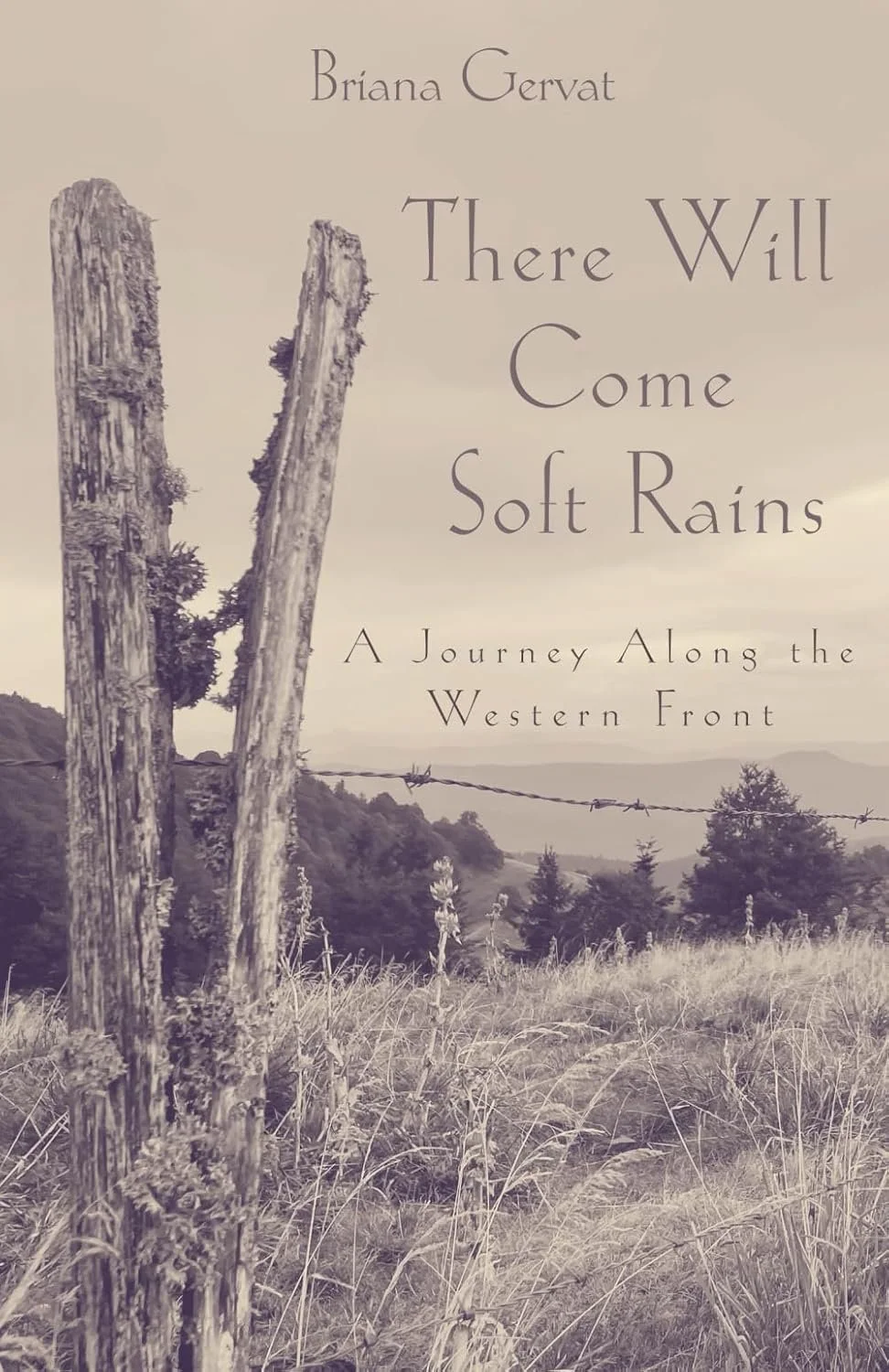
Image links to Amazon.
There Will Come Soft Rains, by Briana Gervat
In There Will Come Soft Rains, poet, photographer, and art historian Briana Gervat undertakes a solo journey that is equal parts pilgrimage and meditation. Her narrative traces a contemplative walk along the Western Front of World War I, moving through a landscape still marked by devastation, memory, and the slow resilience of nature. The book takes its title from Sara Teasdale's haunting poem, and Gervat brings a similarly lyrical sensibility to her account, weaving together art history, literary digression, and hard-won reflection as she walks through the forests of Verdun, the fields of the Somme, and the mountains of Alsace. The route she follows is the Western Front Way, a long-distance trail stretching over 1,000 kilometers from the French-Swiss border to the beaches of Nieuwpoort, Belgium, tracing the WWI front line through forests, frontline towns, and ridge lines, past trench systems, bunkers, battlefields, and memorials. The idea originated in 1915 with a soldier who wrote from the trenches of his vision of a "via sacra," a road of peace where people could walk and understand the true cost of war.
Travel Classics
The Snow Leopard, by Peter Matthiessen
The Snow Leopard by Peter Matthiessen is a landmark work of travel literature, first published in 1978. The book chronicles Matthiessen’s difficult two-month journey through the Himalayas of Nepal in 1973, traveling with naturalist George Schaller into the remote Dolpo region to study the rare blue sheep and, if fortune allowed, glimpse the elusive snow leopard. The expedition takes them across high mountain passes, through isolated villages, and deep into a landscape of cold, altitude, and extraordinary beauty. Matthiessen records the physical hardships of the trek alongside close observations of wildlife, Tibetan Buddhist culture, monasteries, and the people they encounter along the way. At the same time, the journey becomes deeply personal as he reflects on the recent death of his wife, his own spiritual searching, and Buddhist ideas about attachment, impermanence, and awareness. The snow leopard itself remains tantalizingly out of reach for much of the book, becoming almost symbolic of the larger search taking place. The Snow Leopard endures as a classic for the way it combines natural history, remote travel, grief, and spiritual reflection into a deeply thoughtful account of what it means to journey through both a landscape and one’s own inner life. Read our full book review of The Snow Leopard here.
Travels with Charley, by John Steinbeck
Travels with Charley offers a memorable glimpse of 1960s America through John Steinbeck’s cross-country journey with his French poodle, Charley, in a custom-built camper he named Rocinante. Setting out from his home in New York, Steinbeck travels through New England, the Midwest, the Great Plains, the Pacific Northwest, California, Texas, and the Deep South, hoping to reconnect with a country he felt he no longer fully understood. Along the way, he talks with farmers, motel owners, migrant workers, shopkeepers, and fellow travelers, using these encounters to reflect on everything from regional identity and changing landscapes to consumer culture, loneliness, and race. His observations are often warm and funny, particularly when Charley becomes part of the story, but the book also grows darker as Steinbeck reaches the segregated South and confronts the tensions surrounding school integration. While the strict factuality of some episodes has been debated, Travels with Charley remains a compelling reflection on American identity and the enduring appeal of the open road. It is a must-read for Steinbeck fans, travel writing enthusiasts, and anyone interested in seeing the United States through the eyes of one of its most celebrated writers. Read our review of Travels with Charley here.
Video Night in Kathmandu, by Pico Iyer
Video Night in Kathmandu offers a witty and insightful exploration of Asia in the 1980s through Pico Iyer’s perceptive lens. Traveling through places including Nepal, India, China, Japan, Thailand, the Philippines, and Tibet, Iyer focuses on the strange and often revealing ways Western culture was beginning to collide with older traditions. He notices American movies playing in remote towns, Rambo becoming an unlikely cultural icon, tourists reshaping local economies, and young people embracing imported music, fashion, and technology while still living within deeply rooted customs. Rather than treating these contrasts as simple curiosities, Iyer uses them to ask larger questions about identity, aspiration, modernization, and what happens when global culture reaches places that have long been defined by very different values. His sharp observations, humor, and curiosity make the book both entertaining and surprisingly prescient, offering an early look at forces of globalization that would only become more powerful in the decades that followed. Video Night in Kathmandu remains a fascinating snapshot of a region in transition and one of the most distinctive travel books of its era. Read our full review of Video Night in Kathmandu.
In Patagonia, by Bruce Chatwin
In Patagonia is Bruce Chatwin's account of his journey through the remote reaches of Argentina and Chile, a region that had haunted his imagination since childhood. Blending travel writing, history and memoir, the book presents a series of vignettes rather than a linear narrative. Chatwin's distinctive prose brings the landscape and people to life, exploring the area's complex history. Among its most memorable passages are his encounters with the descendants of European settlers who came to Patagonia chasing dreams that the wilderness slowly swallowed whole. The book is notable for its fragmentary structure and mix of fact and fiction, which has led to some controversy. Nevertheless, In Patagonia is widely regarded as a classic of travel literature, influencing many subsequent writers in the genre. See our full book review here.
Blue Highways, by William Least Heat-Moon
Blue Highways is a captivating travelogue that invites readers on a journey through the backroads of America, far from interstates, tourist centers, and familiar landmarks. William Least Heat-Moon sets out in a van he names “Ghost Dancing,” following the smaller roads marked in blue on old highway maps and using the trip to rediscover both the country and himself. Along the way, he passes through tiny towns, rural communities, diners, farms, and overlooked corners of the landscape, meeting people whose stories give the book much of its warmth and character. Rather than racing from one famous destination to the next, Heat-Moon pays attention to the details most travelers miss: local history, regional quirks, unexpected conversations, and the subtle ways a place reveals itself over time. His journey becomes a reminder that some of the most meaningful discoveries happen when the route itself matters as much as the destination. Blue Highways is ultimately a celebration of curiosity, slow travel, and the rich variety of American life found just beyond the main road. Read our full book review of Blue Highways.
My Life in France, by Julia Child
My Life in France is Julia Child’s warm and captivating memoir about the years that transformed her from an inexperienced cook into one of America’s most influential culinary figures. Co-written with her grandnephew, Alex Prud’homme, the book begins with Child’s arrival in postwar France with her husband, Paul, and follows her growing fascination with French food, markets, restaurants, and everyday life. She describes shopping for fresh ingredients, experimenting in tiny kitchens, studying at Le Cordon Bleu, and gradually mastering the techniques that once seemed intimidating. The memoir also traces the long and often frustrating process of developing Mastering the Art of French Cooking, including recipe testing, collaboration, setbacks, and Child’s determination to make French cuisine accessible to American home cooks. Just as important is her affection for France itself, from Parisian streets and neighborhood shops to the countryside and regional traditions she came to love. Filled with humor, enthusiasm, and curiosity, My Life in France is both a culinary memoir and a joyful account of how living abroad can completely reshape a person’s passions, confidence, and sense of possibility. Read our book review of My Life in France.
Books for Dreaming About Travel
The Traveler’s Atlas, by National Geographic
National Geographic's freshly released The Traveler's Atlas of the World stands as an essential resource for globe-trotters and dreamers alike, backed by over 135 years of exploration excellence. This magnificent volume brings together the expertise of National Geographic's seasoned travel journalists with more than 300 spectacular images and 250 custom-designed maps spanning every nation. Readers will uncover everything from world-famous attractions to lesser-known treasures, whether that's witnessing wildlife spectacles on the Serengeti, discovering cascading waters along Croatia's coast, navigating bustling Indian bazaars, or exploring ancient Mayan sites. The atlas includes curated travel routes (picture touring Bavaria's fairytale fortresses or cruising down Egypt's legendary river), ranked recommendations, heritage highlights, and historical context that showcase National Geographic's renowned ability to capture our planet's diversity.
links to Amazon
Assouline Travel Coffee Table Books
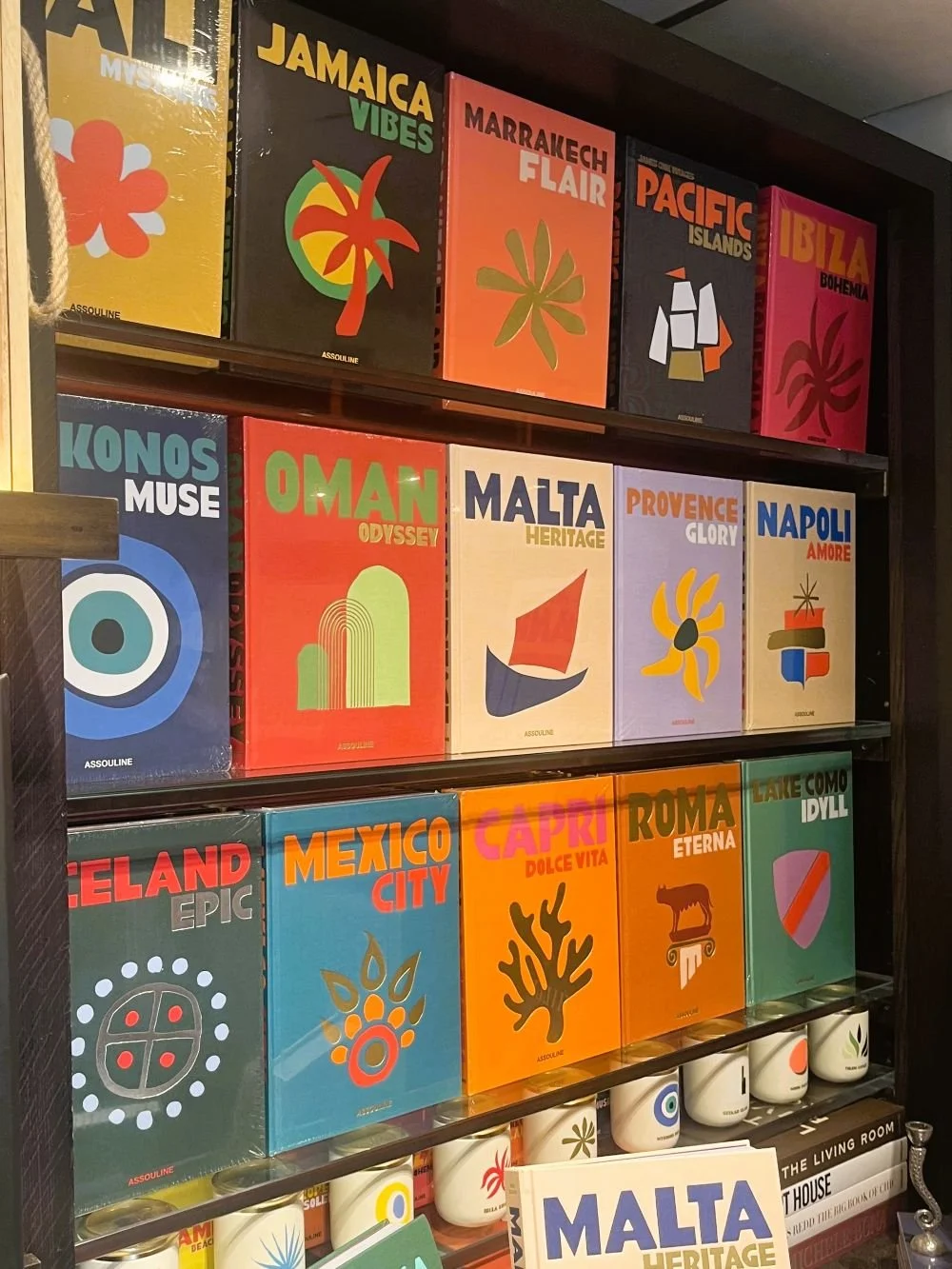
Few publishers capture the visual allure of travel as well as Assouline. Its oversized coffee table books turn distinctive destinations into richly layered portraits, combining photography with architecture, history, food, design, and local culture. Titles such as Capri Dolce Vita, Marrakech Flair, Palm Beach, Hamptons Private, and Tuscany Marvel each celebrate a place through its most recognizable landscapes, traditions, interiors, and style. The books are polished and undeniably aspirational, but that is also part of their appeal: they are designed to evoke the feeling of a destination as much as document it. With bold covers, exceptional production, and a strong sense of place, Assouline’s travel books work equally well as inspiration, keepsakes, and beautiful additions to a home or office. Explore our full guide to Assouline travel books for more on the Travel Series, Hospitality Collection, Wine & Travel, and Ultimate Collection.
1,000 Places to See Before You Die
1,000 Places to See Before You Die is more than a travel book—it is a sweeping collection of destinations, experiences, and ideas designed to make readers want to see more of the world. Patricia Schultz ranges far beyond the most famous landmarks, mixing celebrated cities and natural wonders with remote islands, historic inns, scenic rail journeys, little-known villages, festivals, restaurants, archaeological sites, and other places travelers might never discover on their own. The book is especially good at revealing how much there is to explore beyond the standard itinerary, offering inspiration for everything from ambitious international adventures to smaller detours that can transform a trip. With entries spanning every continent and covering culture, food, history, landscapes, wildlife, and remarkable places to stay, it is the kind of book that rewards browsing as much as careful reading. Readers can open almost anywhere and find a new destination to add to a future travel list. It is one of our top recommendations for the coffee table and also makes an excellent gift idea for travelers, dreamers, and anyone who enjoys discovering just how much of the world is still out there to see.
Destinations of a Lifetime: 225 of the World's Most Amazing Places
Imagine settling into your living room with a cup of coffee and opening Destinations of a Lifetime, a visually spectacular National Geographic collection devoted to 225 of the world’s most remarkable places. The book ranges from celebrated landmarks and dramatic natural wonders to remote islands, historic cities, mountain landscapes, coastlines, and other destinations that capture the imagination. True to National Geographic’s reputation, the photography is the real star, with sweeping aerial views, richly detailed landscapes, and intimate images that reveal the character of each place. Short accompanying descriptions add context and travel inspiration without overwhelming the visual experience, making the book especially easy to browse. Whether the pages transport you to Patagonia, the Greek islands, the temples of Asia, or the deserts of Africa, the effect is the same: a powerful reminder of how varied and beautiful the world can be.

36 Hours, from the New York Times
Inspired by the popular New York Times travel column of the same name, 36 Hours is a stylish series of travel books built around the irresistible idea of making the most of a short trip. Each destination is distilled into a tightly curated 36-hour itinerary, with recommendations for where to eat, what to see, where to wander, and which local experiences are worth prioritizing when time is limited. The books are especially good at balancing major sights with smaller discoveries, neighborhood favorites, memorable restaurants, cultural stops, and places that help reveal the personality of a city or region. Beautiful photography, clean design, maps, and concise descriptions make the series as enjoyable to browse at home as it is useful for planning a weekend away. The collection now spans much of the world, with regional editions covering Europe, North America, Latin America, Asia, and beyond, along with more focused books devoted to individual cities and surrounding areas. Together, they offer an appealing mix of travel inspiration and practical guidance for readers who love the idea of seeing how much can be discovered in just a few well-planned days.
Atlas Obscura
One of the latest travel books to appear front and center in many bookstores is Atlas Obscura, an encyclopedic guide to the world's most mysterious and marvelous wonders. The book's popularity stems from its ability to showcase lesser-known, yet captivating destinations that often escape mainstream tourist guides. We particularly like the 40-year-old hole of fire in Turkmenistan called the Gates of Hell, Japan's amazing "Cat Island", the bone museums in Italy, and San Francisco's secret tiled staircase. With more than 700 entries spanning all seven continents, the book is organized by region, making it easy to lose an afternoon dreaming about places you never knew existed. Each entry comes with photographs and the kind of backstory that makes you want to book a flight immediately. Atlas Obscura makes an ideal gift idea for the traveler in your life who thinks they have already seen everything worth seeing.
Unforgettable Journeys: Slow Down and See the World
Unforgettable Journeys from DK Travel is the ultimate inspiration for adventurers ready to explore the world through its most iconic routes and hidden gems. Featuring over 200 carefully curated hikes, drives, cycling trails, train journeys, and boat trips across all seven continents, this beautifully illustrated guide brings each adventure to life. Whether you're dreaming of walking the Camino de Santiago, driving the legendary Route 66, riding the Trans-Siberian Railway or trekking through Torres del Paine, each journey includes practical information on duration and difficulty, plus alternative routes to help you customize your adventure. Organized by travel type—from cruises and road trips to train rides and cycling tours—this comprehensive guide proves that sometimes the journey truly is more magical than the destination.

Explore Travelreads by Genre
Classic Travel Literature — Essential books that helped define the genre
Travel Writing — Essays, anthologies and collections from exceptional writers
Travel Novels — Fiction shaped by journeys and a strong sense of place
Travel Writers — Meet the authors behind some of the genre's greatest books

Buy Books. Support Local Bookstores.
Ready to plan your next travel adventure? Travelreads is proud to partner with Bookshop.org, where many of our recommendations are available while helping support independent bookstores. Every purchase supports local booksellers and the communities they serve.