Behind the Walls of Marrakech: What the Riad Reveals About the City
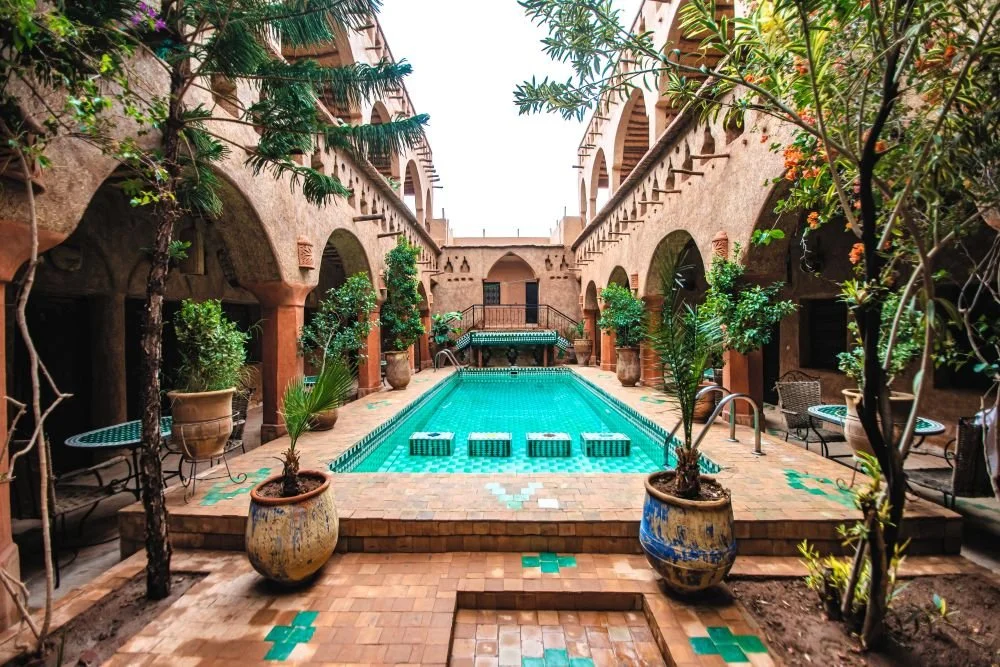
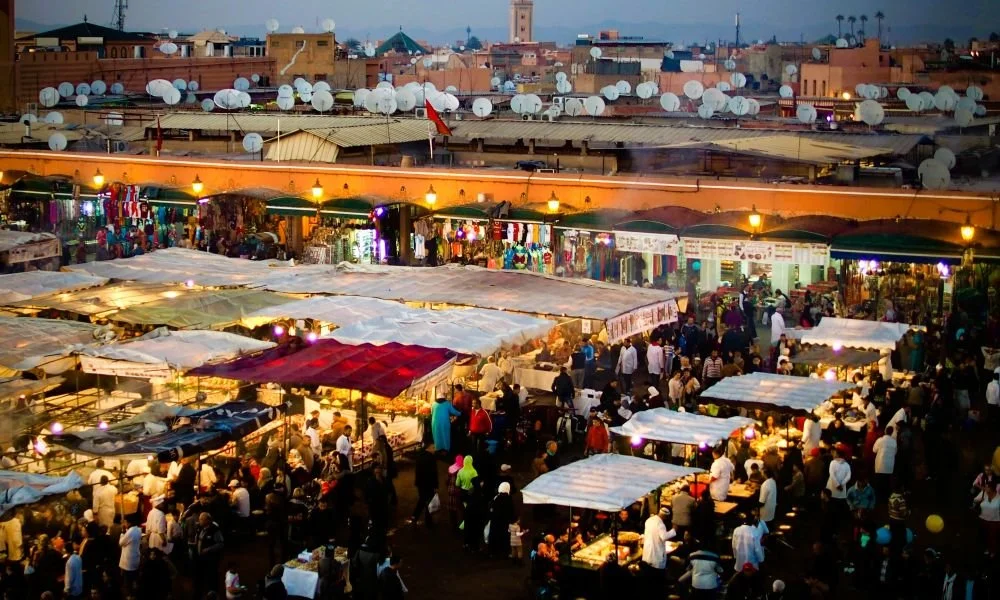
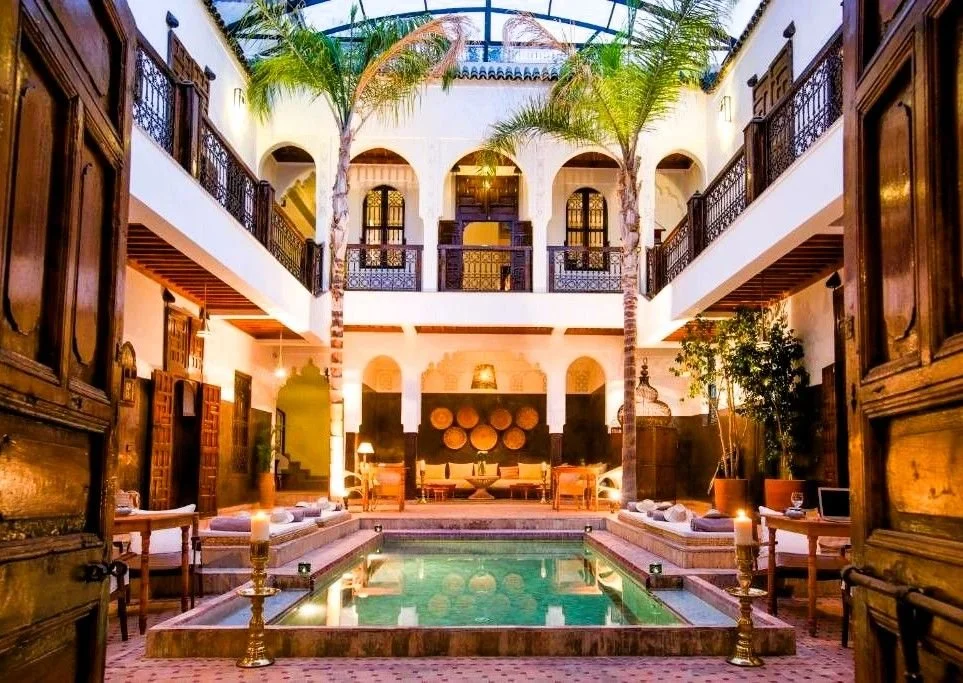
For anyone visiting Marrakech, staying in a riad offers one of the most distinctive ways to experience the city. Often tucked inside the historic medina, a riad is a traditional Moroccan house arranged around a private courtyard or garden. Many have been beautifully restored as intimate hotels, combining centuries-old architecture, exceptional design, and the feeling of being welcomed into a private home.
To understand Marrakech, it helps to begin there: closed to the street, open to the sky, and far more beautiful inside than anyone passing its walls could possibly know.
Inside the Medina
The Marrakech medina can be thrilling, confusing, beautiful, noisy, dirty, crowded, and rough around the edges—often within the same few minutes.
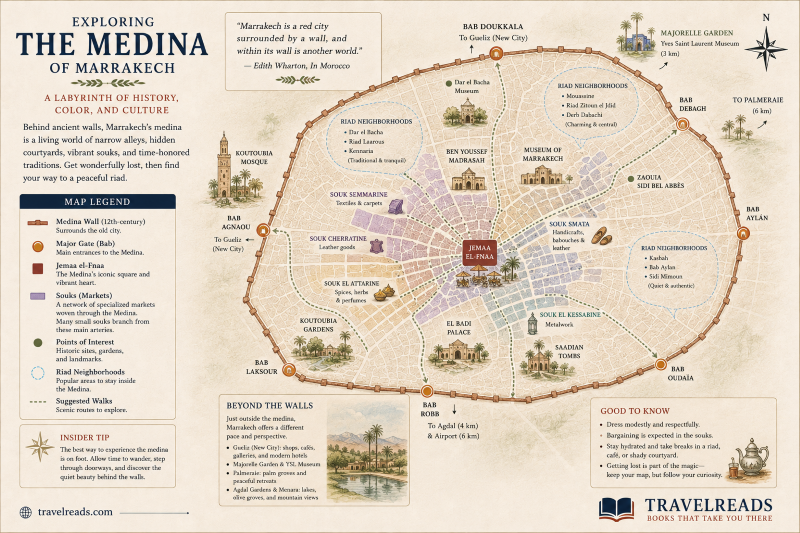
Its narrow lanes twist between market stalls, workshops, bakeries, small restaurants, mosques, and homes. Motorcycles edge past pedestrians. Carts rattle over uneven ground. Shopkeepers call from the souks, smoke rises from food stalls, and the streets shift constantly between commerce, neighborhood life, and spectacle. Most of the buildings reveal little from the outside. High walls and heavy wooden doors line lanes that can feel chaotic and enclosed. Even some of the city’s most beautiful houses remain almost completely hidden from view.
Then a riad door opens. Inside, the noise recedes. Light falls into a courtyard open to the sky. A fountain may sit beneath orange or lemon trees, surrounded by patterned zellige tile, carved plaster, painted cedar, lanterns, and shaded galleries. The air feels cooler. The pace changes.
In a higher-end riad, the craftsmanship can be extraordinary, but the luxury is rarely expressed through scale or display. It appears in the restoration, the quality of the materials, the quiet, and the attention given to every room and shared space. The contrast with the medina is immediate, but the riad does not feel separate from Marrakech. It reveals another side of the same city.
A House Turned Inward
Riads are part of a broader tradition of Moroccan urban architecture. They are not unique to Marrakech, but the city’s historic medina has become one of the best places for travelers to experience them as small hotels and guesthouses.
The word riad comes from the Arabic for “gardens”—a fitting name for a house designed around a private green space at its center.
The design is both cultural and practical. Thick walls and limited openings toward the street provide privacy and help protect the interior from heat, dust, and noise. Rooms face inward toward the courtyard, which brings light and air into the center of the house. The richest decoration is also concentrated inside. A relatively plain exterior may conceal tilework, fountains, carved wood, planted courtyards, and generations of Moroccan craftsmanship.
Hospitality at the Heart of the Riad
The architecture creates the setting, but hospitality defines the stay.
Most riads have relatively few rooms, allowing the service to feel more personal than it does in a conventional hotel. Guests may be welcomed with mint tea and pastries rather than directed toward a reception desk. The staff often help arrange guides, recommend restaurants, explain routes through the medina, and offer reassurance when the old city initially feels difficult to navigate.
Meals are a huge part of that welcome. A tagine may be prepared slowly and served in the courtyard. Breakfast may include Moroccan breads, fruit, eggs, yogurt, coffee, and tea. Staff members remember preferences, ask about the day, and make the riad feel less like temporary accommodation and more like a private home within the city.
That warmth matters in Marrakech. After hours in the intensity of the medina, returning to familiar faces and a quiet courtyard becomes an important part of the experience.
Above the Old City
Our favorite part of staying in a riad was breakfast on the rooftop.
Each morning, we climbed above the enclosed courtyard and narrow lanes to a protected terrace overlooking the medina. The streets below were mostly hidden, but the life of the city was still present. Rooftops stretched toward minarets, birds crossed the morning sky, and the Muslim call to prayer carried above the old city. Breakfast arrived slowly: Moroccan breads, fruit, eggs, coffee, and mint tea. The sounds of Marrakech drifted upward, softened by distance and the walls below.
It became one of the highlights of our trip.
The rooftop offered a different perspective on the medina. From the street, Marrakech can feel crowded and difficult to understand. From above, its flat roofs, terraces, minarets, and tightly packed buildings form a quieter landscape. On a clear day, the Atlas Mountains may appear beyond the city. The rooftop was not disconnected from Marrakech. It was a protected place from which to take it all in.
In the Heart of the Medina
Staying in the medina puts travelers within walking distance of the souks, restaurants, historic sites, and the daily activity of the old city. Marrakech begins just outside the riad door, making it easy to explore without repeatedly traveling in and out.
The advantage is having both experiences at once: immediate access to the energy of the medina and a quiet place to retreat whenever it becomes overwhelming. After a break in the courtyard or on the rooftop, the city is right there, ready to be entered again.
Reading Marrakech
These four books offer different ways to explore the city and the traditions surrounding it.
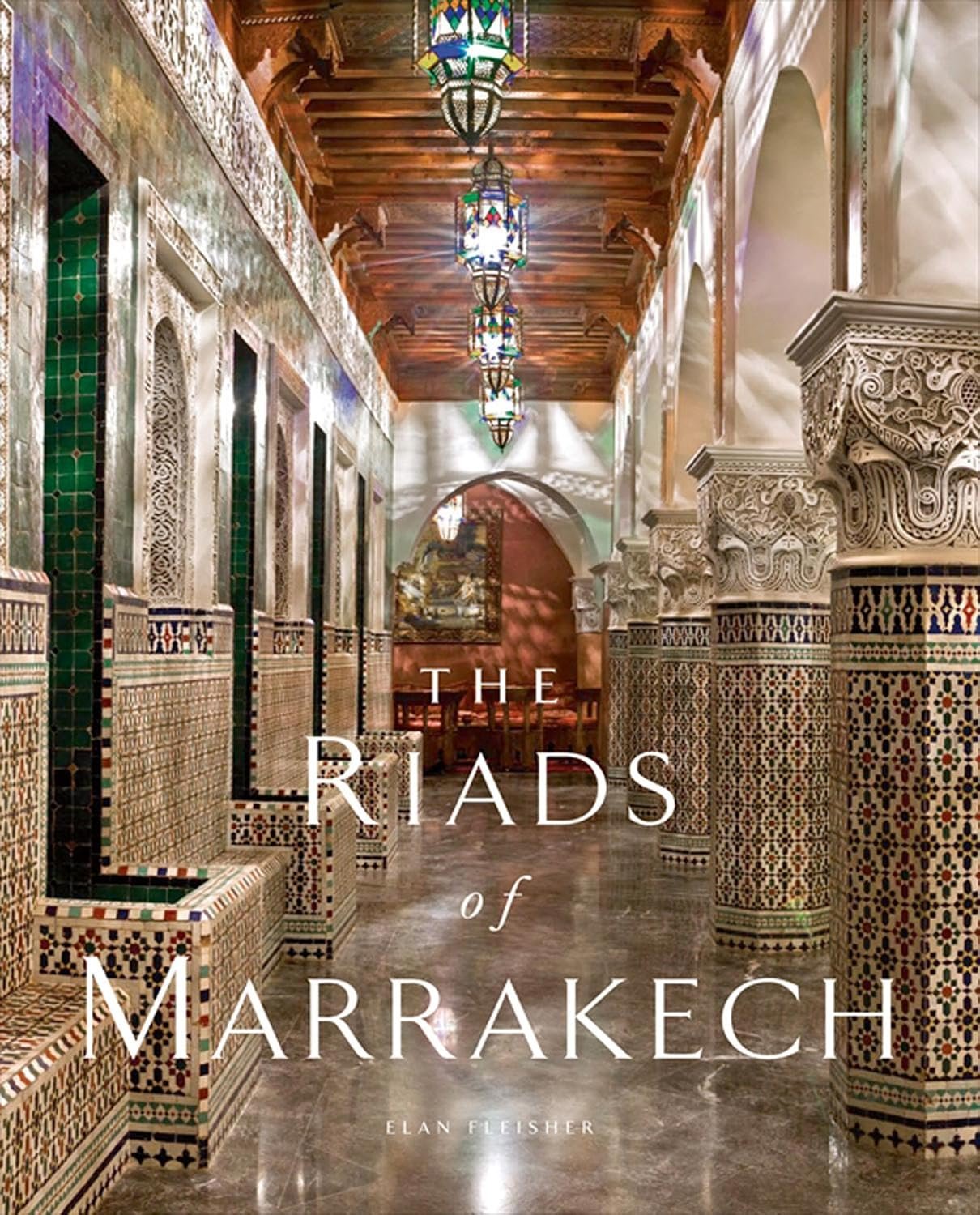
The Riads of Marrakech — Elan Fleisher: A visual journey into twelve distinctive riads, revealing the courtyards, gardens, craftsmanship, and interiors hidden behind the medina’s walls.
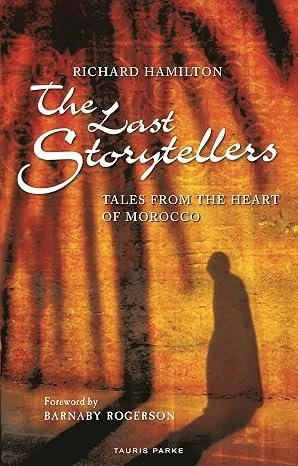
The Last Storytellers: Tales from the Heart of Morocco — Richard Hamilton (2011): A collection drawn from Marrakech’s oral storytelling tradition, preserving folktales once performed in Jemaa el-Fna.
Marrakech Flair — Marisa Berenson (2020): Assouline’s richly illustrated celebration of the city’s colors, interiors, gardens, creativity, and unmistakable atmosphere. Explore more beautifully produced travel books from Assouline.
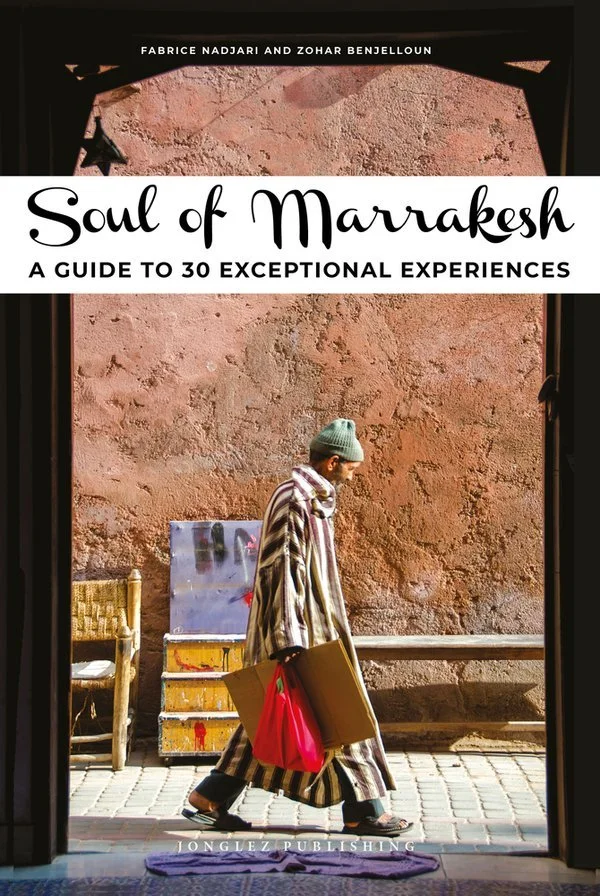
Soul of Marrakesh — Zohar Benjelloun and Fabrice Nadjari: An intimate guide to the craftspeople, food, rituals, hidden places, and local personalities that give Marrakech its character.
Travelreads is proud to partner with Bookshop.org, making it easy to discover these books while supporting independent bookstores.

Continue exploring Morocco through our curated collection of books chosen to reveal the country’s history, culture, landscapes, food, and traditions.