Twelve Floors of Pens, Paper, and Japanese Design
Travelers know that museums can tell us something about a country. So can its stores.
In Tokyo, shopping is not simply something to do between temples, museums, and meals. It can be another way of understanding the city itself: what people value, how much attention they give to quality and presentation, and how much pleasure they take in choosing objects that are useful, well designed, and made with care.
Few places make that case better than Itoya.
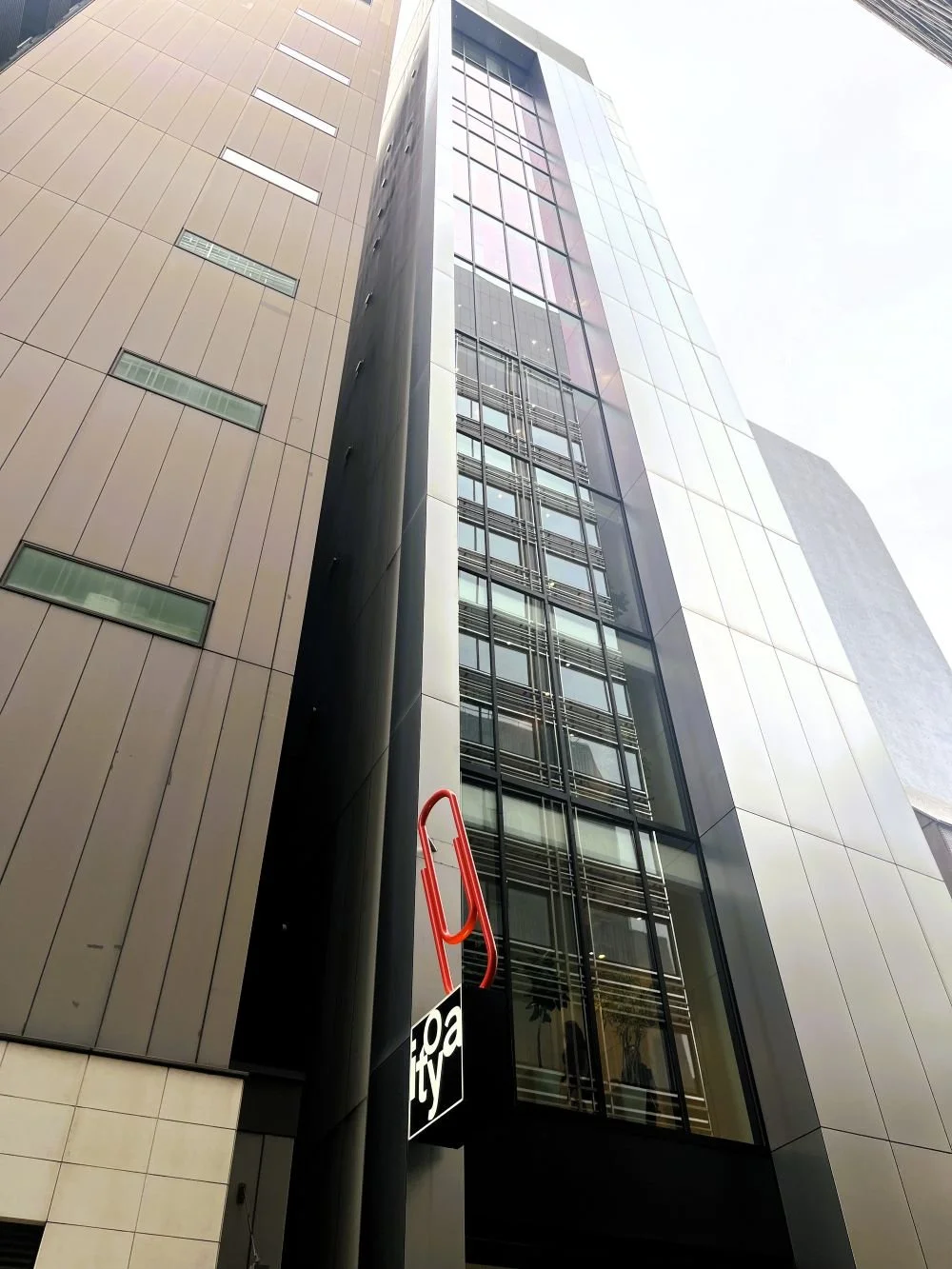
The legendary stationery store has occupied a place in Tokyo’s Ginza district for more than a century. Its main building rises floor after floor above one of the city’s great shopping streets, marked outside by an enormous red paper clip. For stationery lovers, designers, artists, journal keepers, and anyone who appreciates a beautifully made object, Itoya has become something close to a pilgrimage. It is easy to understand why once you step inside.
Twelve Floors of Possibility
Calling Itoya a stationery store does not quite prepare you for the scale of it.
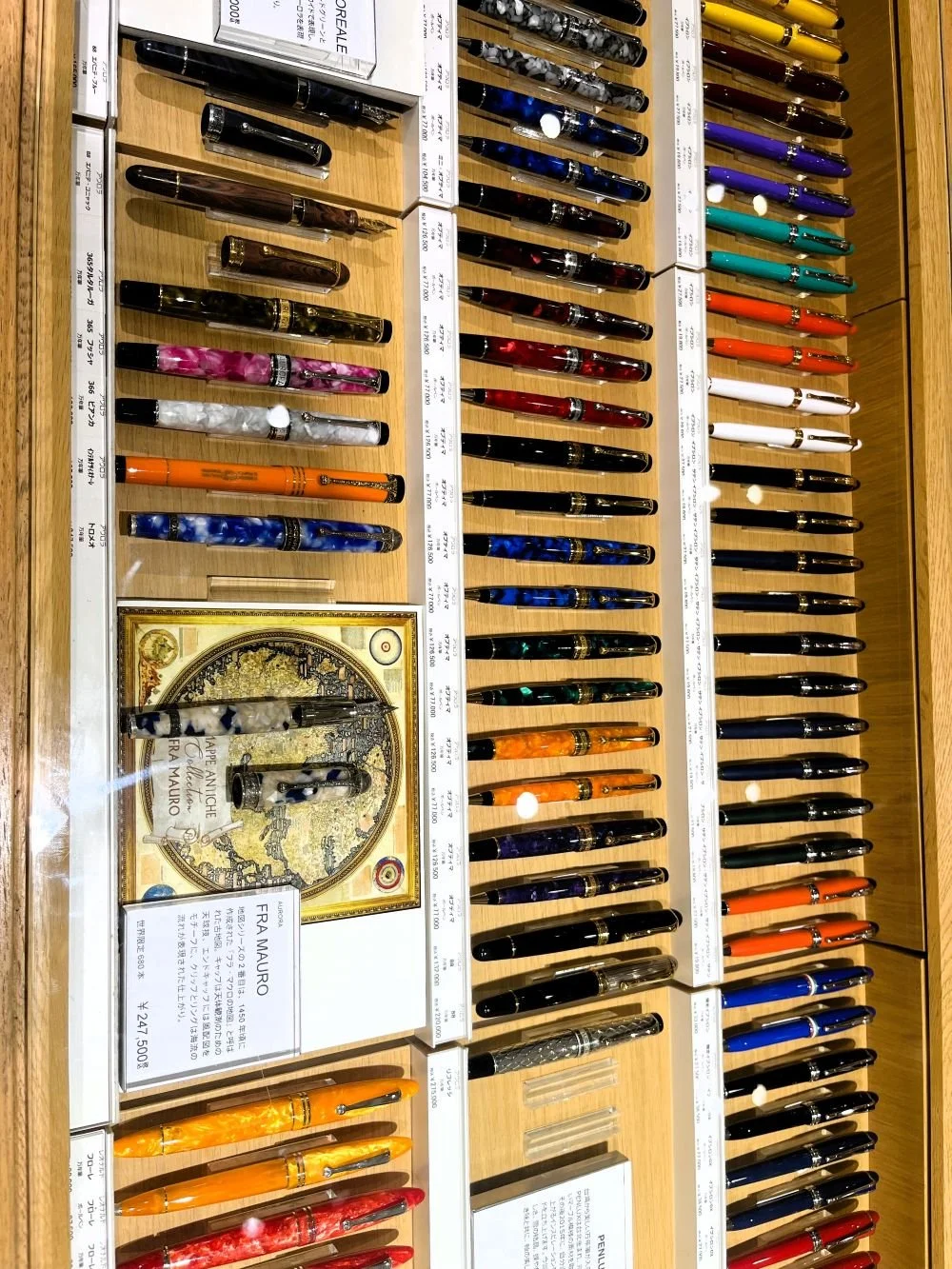
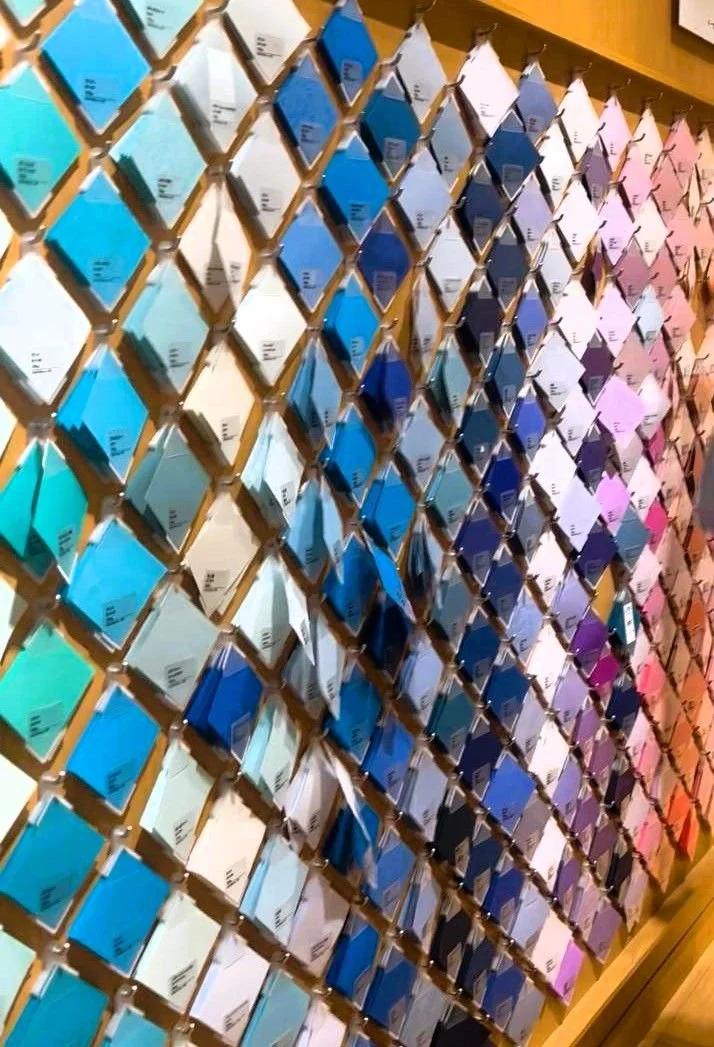
There are pens, of course, but not simply a rack of pens. There are seemingly endless variations: different points, inks, colors, weights, materials, and purposes. Notebooks come in an astonishing range of sizes, bindings, paper styles, and colors. Paper itself becomes something to consider carefully rather than something purchased by the ream. Envelopes, cards, folders, desk tools, writing accessories, and wrapping materials are treated with the same attention.
And everywhere there are choices. Not six colors when thirty might be possible. Not one notebook when there are dozens of dimensions. Not a single version of an object when differences in texture, shape, thickness, material, or function might matter.
The effect can be almost overwhelming, but it is also strangely delightful. Itoya takes things most of us regard as mundane and asks us to look at them more closely. A pen is not just something that writes. A notebook is not simply somewhere to put words. Paper can feel different beneath your hand. A particular shade of ink can change the pleasure of writing. An envelope can make receiving a letter feel special before it is even opened.
The Beauty of the Everyday
This attention to detail extends well beyond stationery.
One of the pleasures of traveling through Japan is repeatedly encountering ordinary things that have been given extraordinary thought. The bowl holding breakfast. The wrapping around a purchase. The knife used by a chef. The ceramic cup holding tea. The box around a confection. The cloth covering a gift. The tray beneath a cup of coffee. Function and beauty do not have to be opposing ideas.
That sensibility is especially visible at Itoya because stationery is so inherently ordinary. Most of us use pens, paper, notebooks, calendars, clips, and folders without giving them much thought at all. Itoya gives them an entire building.
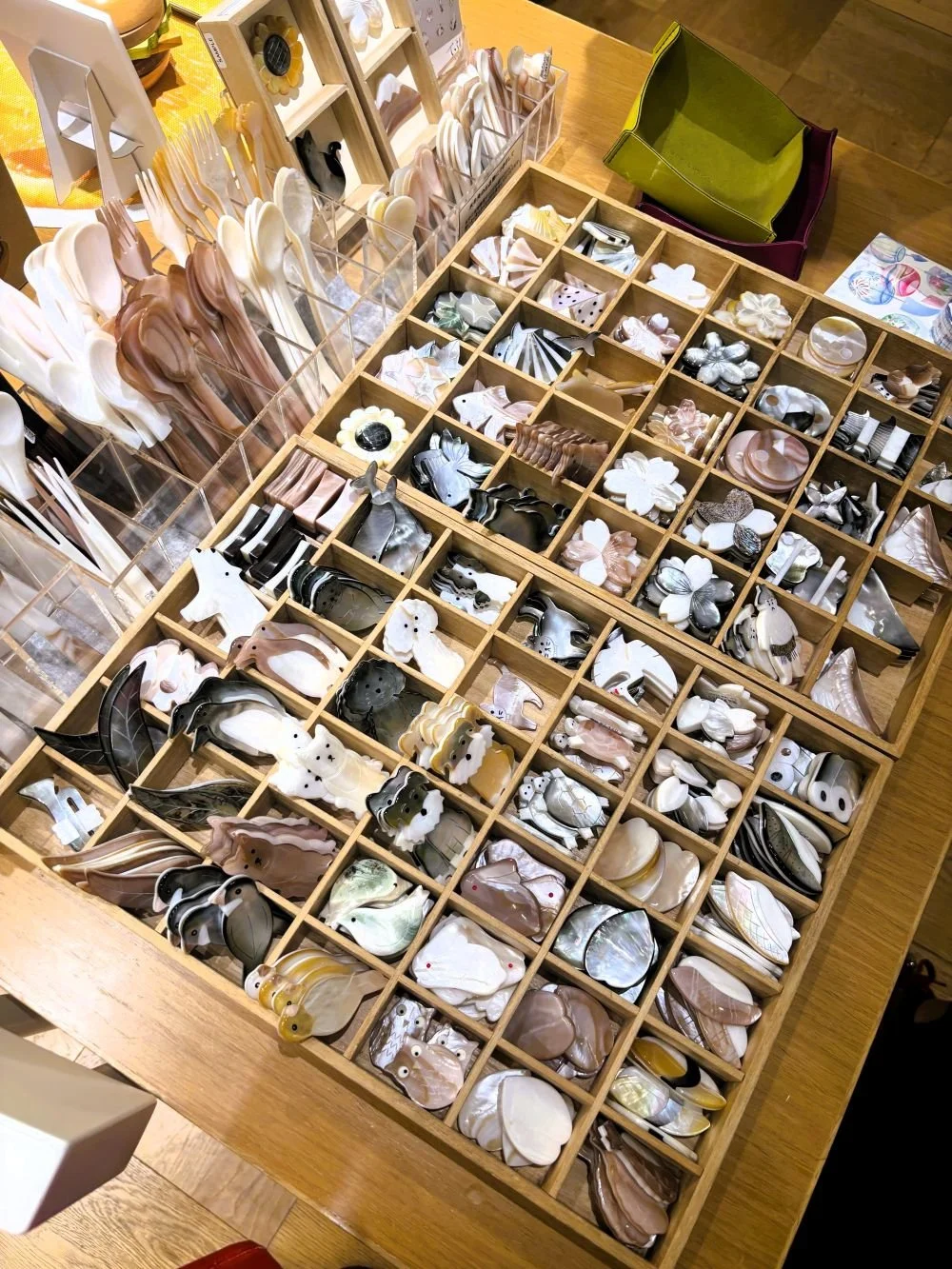
That does not mean every object is precious or handmade. Much of what fills the shelves is contemporary, practical, colorful, and designed for everyday use. What is striking is the sheer degree of consideration behind it: the variations, the specialization, the quality of materials, and the belief that people might actually care about the difference.
Craftsmanship in Japan is often associated with the obviously exceptional: handmade ceramics, lacquerware, textiles, woodwork, or the blades produced by specialist knife makers. But perhaps the more revealing version is found in the everyday object that never needed to be special in the first place.
That is where Itoya becomes more than a remarkable store.
Shopping as a Way of Seeing Tokyo
Travel has an odd hierarchy. Visiting a museum counts as cultural exploration. Walking through a historic temple counts as cultural exploration. Spending an hour in a store is usually described simply as shopping. In Tokyo, shopping is not a diversion from seeing the city. It is part of seeing it.
Spend time in the food halls beneath Mitsukoshi or Isetan, where fruit, sweets, bento boxes, tea, and beautifully wrapped gifts are displayed with almost theatrical precision. Walk through Kappabashi and see entire shops devoted to knives, bowls, restaurant tools, or the astonishingly realistic plastic food displayed outside restaurants. Browse ceramics in a small neighborhood shop, fabrics in Nippori, electronics in Akihabara, or the carefully edited household goods at Muji. Even a convenience store can reveal something about Japanese expectations around efficiency, packaging, seasonal products, and attention to detail.
Stores reveal something that museums sometimes cannot. Museums often show us the things a society has decided are worth preserving. Stores show us the things people believe are worth making, buying, and living with now.
Itoya has survived in Ginza since 1904, even as the world around it has become increasingly digital. That alone is intriguing. Tokyo is one of the most technologically sophisticated cities on earth, yet here is a multi-story destination devoted to paper, pens, notebooks, correspondence, and the physical pleasure of writing.
Technology can make life faster. Itoya reminds us that there can still be pleasure in slowing down long enough to choose exactly the right pen, the right paper, or the right shade of blue.
Read More: Japanese Design, Craftsmanship & the Beauty of Everyday Things
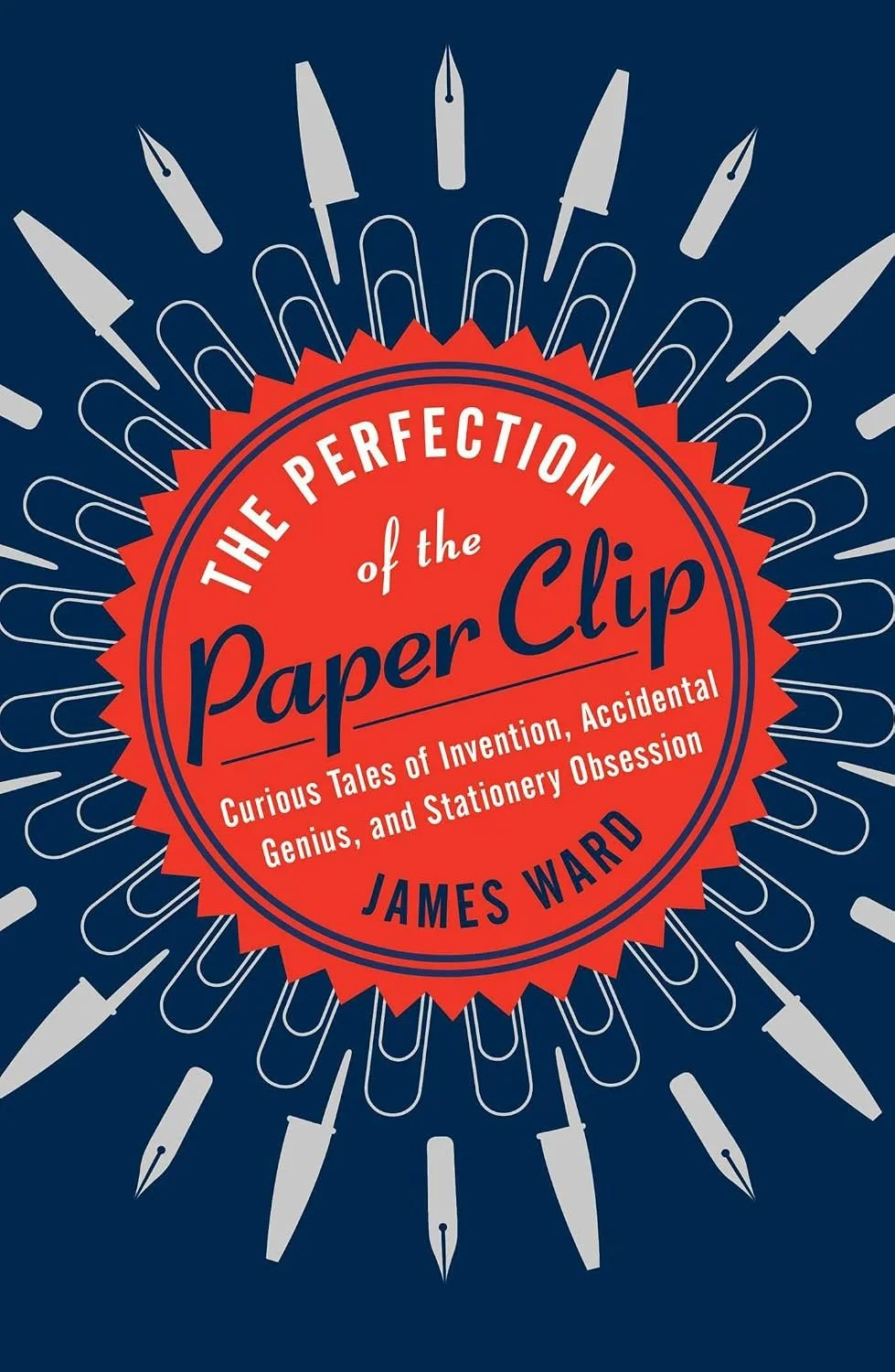
The Perfection of the Paper Clip by James Ward
A playful celebration of stationery and the ingenious design hiding inside familiar desk objects, from pens and pencils to paper clips and highlighters.
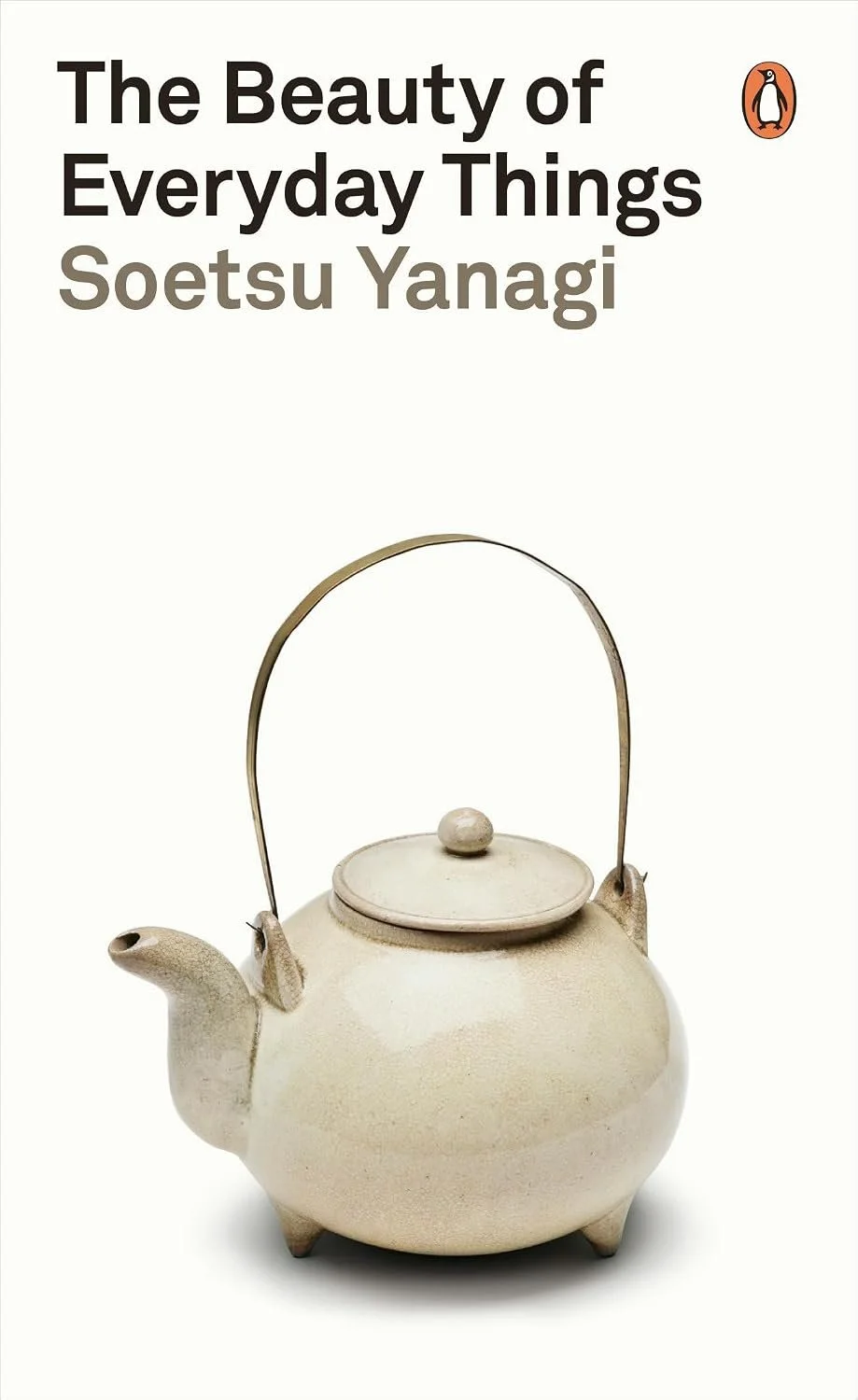
The Beauty of Everyday Things by Soetsu Yanagi
A classic exploration of the Japanese appreciation for useful, beautifully made objects and the craftspeople who create them.
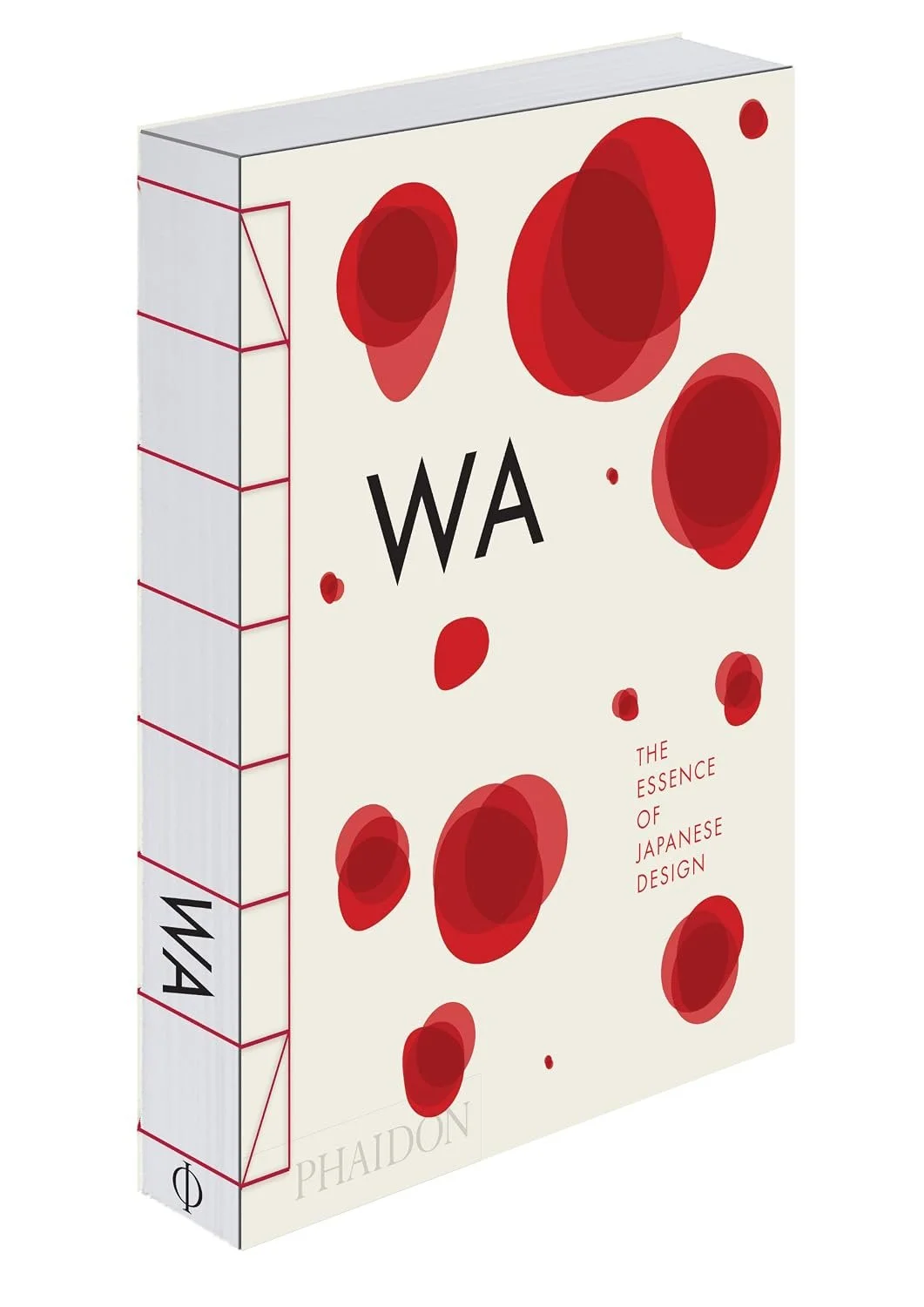
WA: The Essence of Japanese Design by Rossella Menegazzo and Stefania Piotti
A visual exploration of Japanese design through hundreds of objects, with particular attention to materials, simplicity, functionality, and craftsmanship. The word wa can suggest harmony as well as a distinctly Japanese sensibility, making it an especially fitting lens for the balance, refinement, and attention to detail found throughout Itoya.
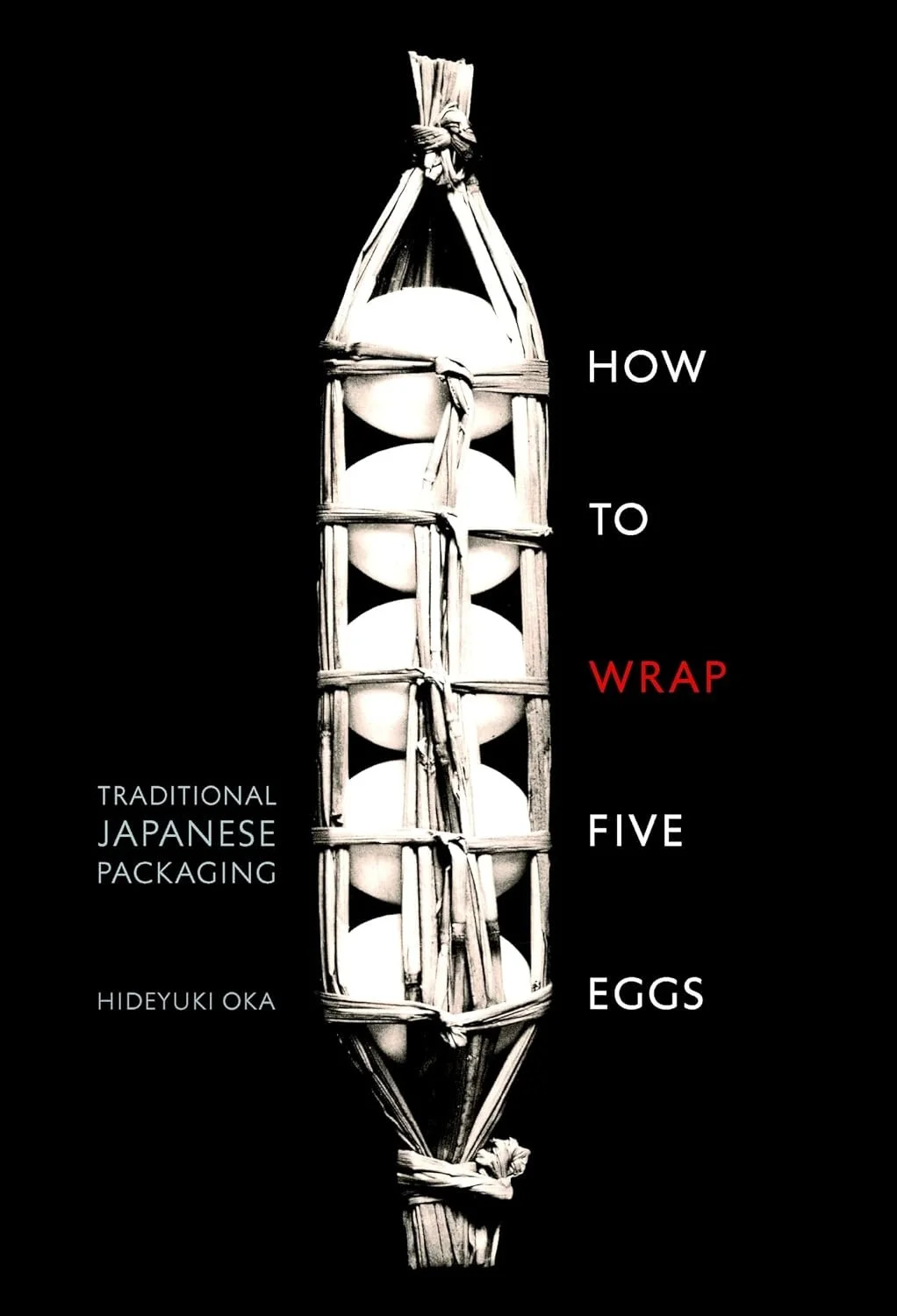
How to Wrap Five Eggs by Hideyuki Oka
A fascinating study of traditional Japanese packaging that shows just how much imagination, beauty, and care can be invested in presenting even the simplest everyday object.
Travelreads partners with Bookshop.org, which supports independent bookstores. When readers purchase through links on this page, Travelreads may earn a small commission while helping support independent booksellers.
Continue exploring with the Travelreads bookshelf for Japan, where we recommend books that reveal more of the country's history, culture, food, landscapes, traditions, and distinctive sense of place.