How Medellín Rewrote Its Story
There are few cities in the world that have had to overcome a reputation as powerful as Medellín's.
For many Americans, the city's name still brings to mind Pablo Escobar, cartel violence, and the headlines of the 1980s and 1990s. Television dramas have reinforced that image, leaving many travelers with the impression that Medellín's story begins and ends with one of history's most notorious criminals.
Spend even a few days there, however, and a very different city begins to emerge. Visitors discover tree-lined neighborhoods filled with cafés and restaurants, public plazas where families gather late into the evening, striking public art, efficient public transportation, and a creative energy that has made Medellín one of South America's most compelling urban destinations. The contrast is impossible to ignore.
Medellín's past remains an important part of its story, but it is not the city travelers experience today. Its transformation offers a window into the real Medellín—one defined less by the headlines of the past than by the people and communities that have shaped its present.
A City Shaped by Its Landscape
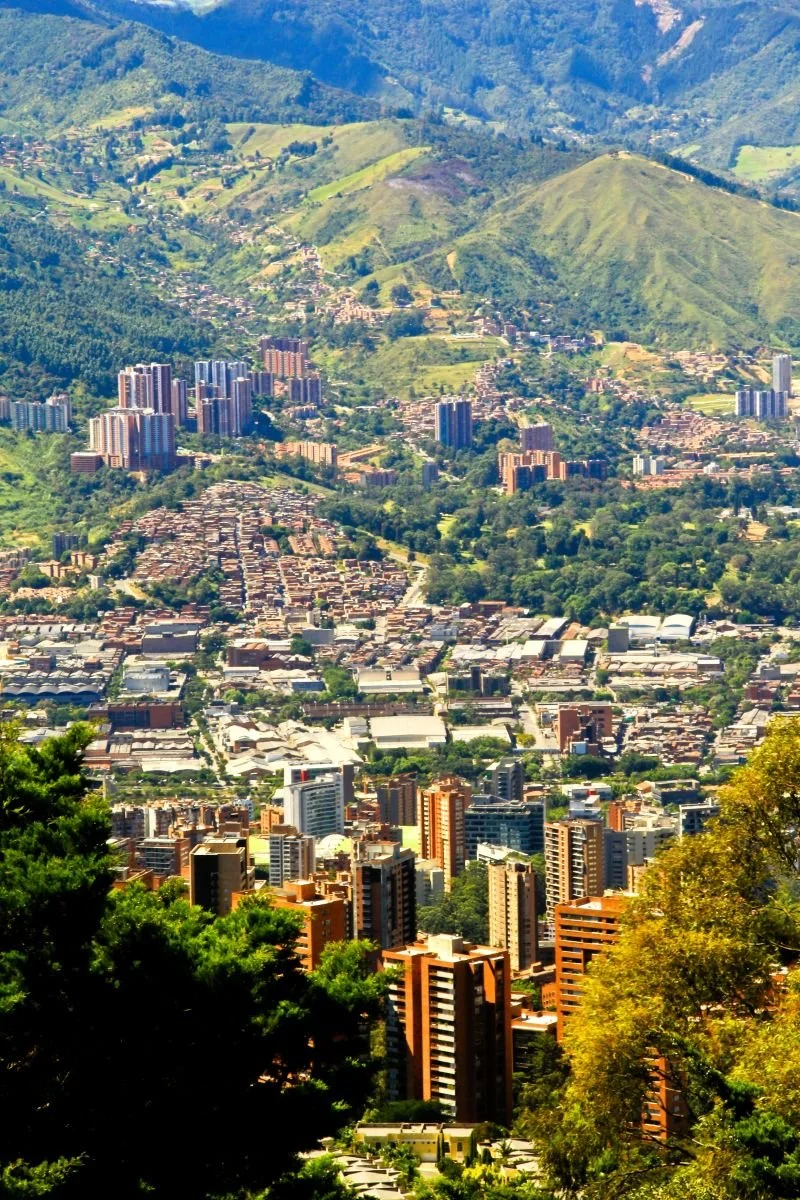
Medellín sits in Colombia's Aburrá Valley, surrounded by the green mountains of the Antioquia region. At nearly 5,000 feet above sea level, its famously mild climate has earned it the nickname "The City of Eternal Spring."
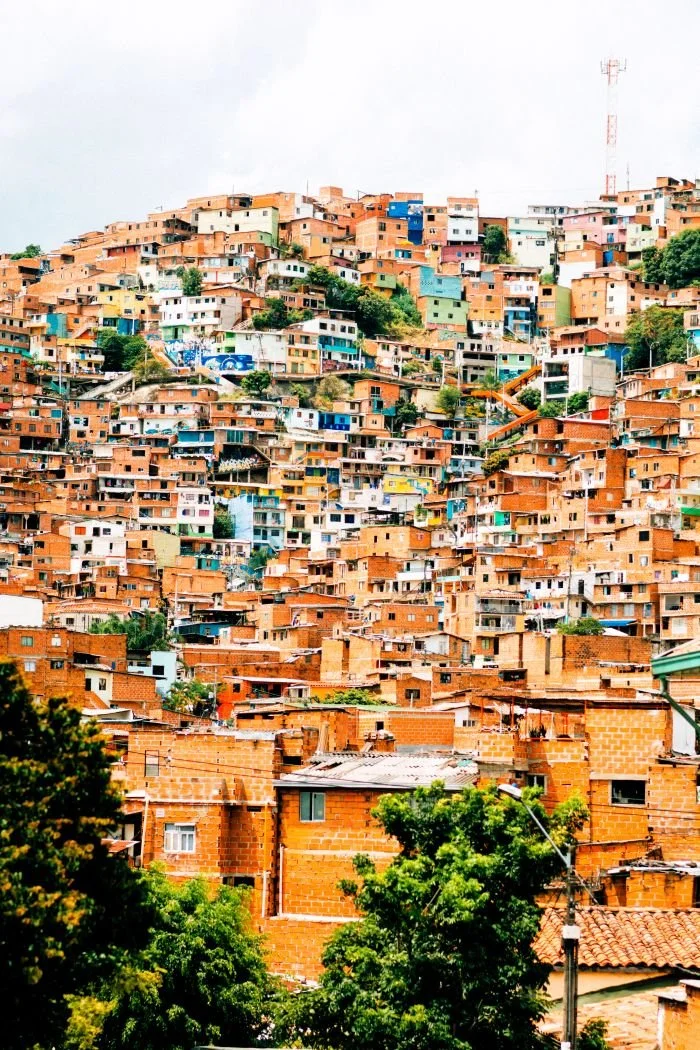
Its geography has always shaped daily life. The city spreads across the valley floor before climbing steep hillsides on every side, creating spectacular views but, for many years, also creating physical divisions between neighborhoods. Understanding that landscape is the first step toward understanding how Medellín rewrote its story.
Connecting a City
The easiest place to understand Medellín's transformation is aboard the Metro. Unlike many public transportation systems, Medellín's Metro has become a source of civic pride. Stations are clean, trains are remarkably well maintained, and locals often speak of the system as something that belongs to everyone. But the city's most important innovation hangs above the valley.
When Medellín opened the Metrocable in 2004, it wasn't built as a tourist attraction. It became the world's first aerial cable car fully integrated into a city's public transit system. Using the same fare as the Metro, the gondolas connected steep hillside neighborhoods that had long been isolated from jobs, schools, and services. Commutes that once took well over an hour were dramatically shortened, making opportunities across the city far more accessible.
Visitors often board the Metrocable for the sweeping views across the valley. The people standing beside them are simply riding home from work. That simple contrast reveals far more about Medellín than any observation deck ever could.
Investing in Neighborhoods
Transportation was only one part of the story.
During his term as mayor from 2004 to 2007, Sergio Fajardo championed a simple but ambitious philosophy: “Our most beautiful buildings must be in our poorest neighborhoods.” His administration made education central to Medellín’s transformation, building library parks, schools, parks, and other public spaces in communities that had long been overlooked.
The goal was not simply to create attractive architecture. These projects were intended to bring education, opportunity, and a renewed sense of civic pride into neighborhoods that had received too little public investment.
For book lovers, the symbolism is hard to miss. The libraries were not created as attractions. They were built for the people who lived nearby, and visitors now have the opportunity to see how prominently books and learning figured in Medellín’s effort to build a different kind of city.
A Neighborhood Tells Its Own Story
Few places better illustrate Medellín's transformation than Comuna 13.
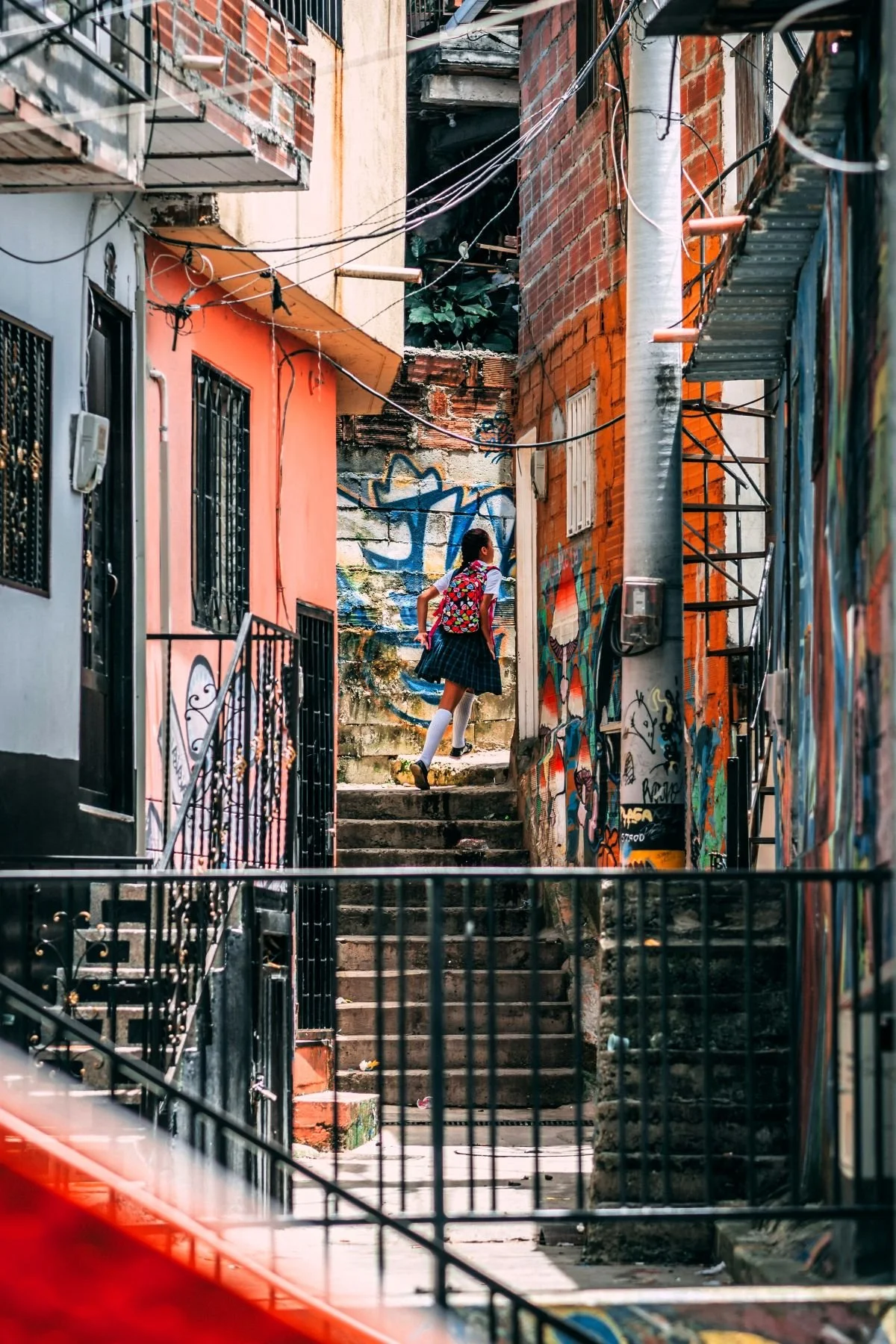
Once associated with violence, it has become one of the city's most visited neighborhoods. Today, visitors arrive to admire colorful murals, ride a series of outdoor escalators built to make everyday life easier on the steep hillside, listen to musicians performing in public squares, and join walking tours led by local residents.
The murals are beautiful. More importantly, they tell stories.
Many of the guides grew up in the neighborhood and now share its history from a deeply personal perspective. Rather than allowing outsiders to define Comuna 13 solely by its past, residents have reclaimed the narrative themselves. The result is neither a celebration nor an attempt to erase difficult history, but a fuller understanding of how the community has changed.
The Medellín Travelers Discover Today
Today, Medellín is one of South America's most rewarding cities to explore.
Mornings begin in neighborhood cafés. Afternoons might include a ride on the Metrocable, a visit to Plaza Botero, or an afternoon wandering the restaurants, bookstores, and boutiques of El Poblado or the more residential streets of Laureles. Many travelers venture farther into Antioquia to visit colorful Guatapé or nearby coffee farms before returning to the city in the evening.
An increasing number of remote workers now choose to spend months in Medellín, drawn by its climate, café culture, creative atmosphere, and quality of life. That popularity has also brought new conversations about housing, tourism, and preserving neighborhood character—reminders that every successful city must continue balancing growth with the needs of the people who call it home.
For visitors, however, perhaps the most remarkable part of Medellín is not any single attraction. It is realizing that nearly everything they experience—the Metro, the Metrocable, the libraries, the public art, and even the atmosphere of the city's neighborhoods—reflects decades of deliberate investment in making Medellín a better place to live. That is the story travelers encounter today.
Reading Medellín
The city's transformation becomes even more meaningful through its literature.
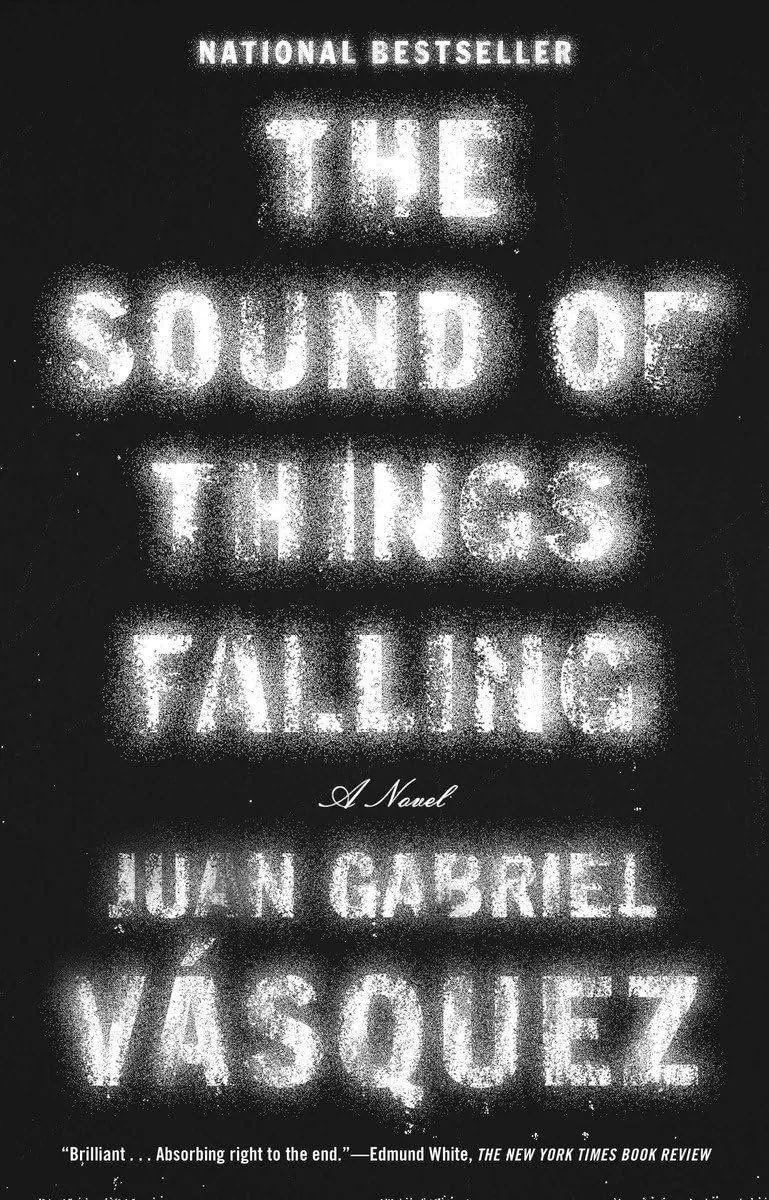
Juan Gabriel Vásquez's The Sound of Things Falling is the ideal place to begin. Rather than focusing on Pablo Escobar himself, the novel explores the emotional weight that Colombia's years of violence placed on ordinary lives, helping readers understand the shadow from which modern Medellín emerged.
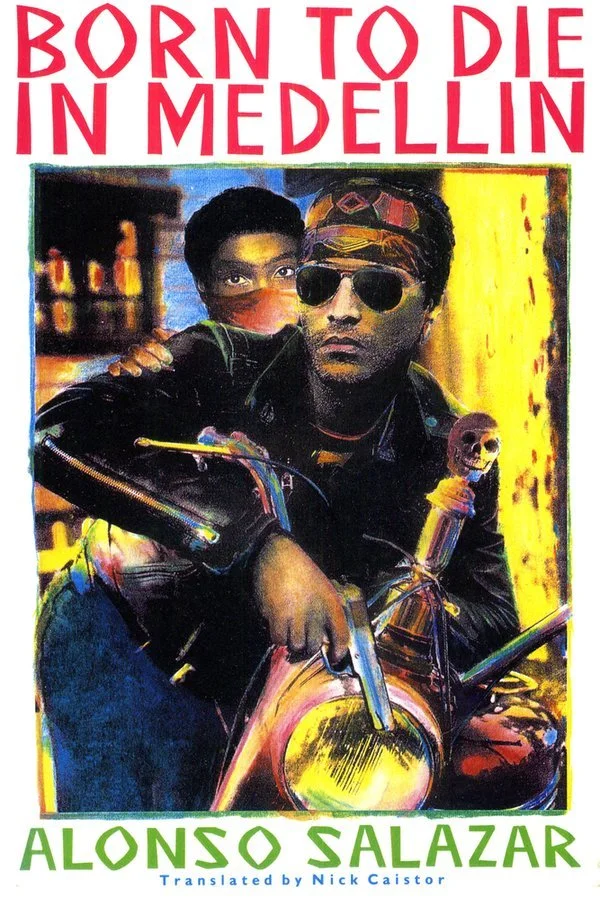
Alonso Salazar's Born to Die in Medellín offers a more direct look at the city during its darkest years. Through interviews with young people caught in the violence, Salazar tells a deeply human story that makes Medellín's later transformation all the more remarkable.
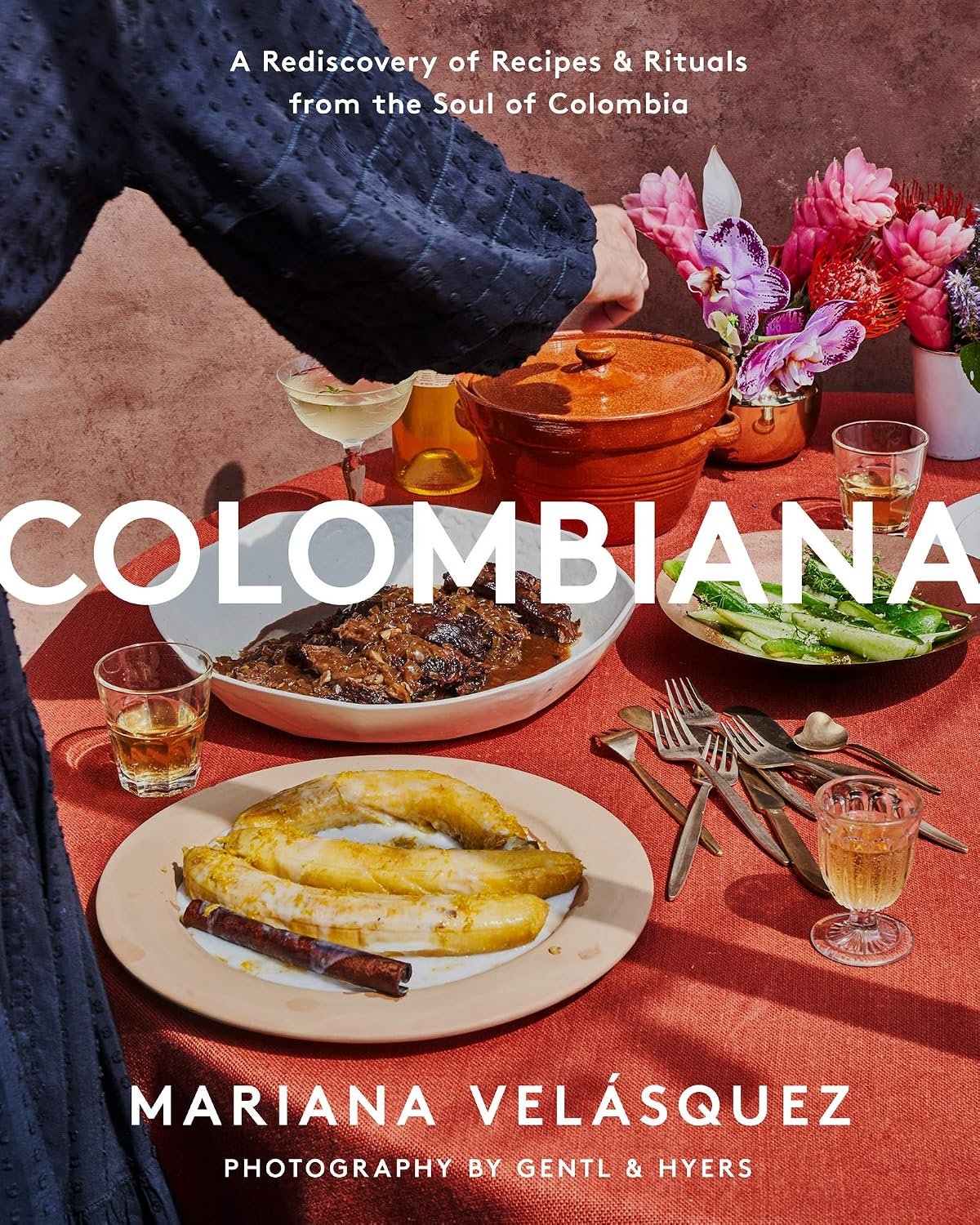
Finally, Mariana Velásquez's Colombiana introduces readers to the country beyond the headlines. Filled with recipes, photography, family traditions, and stories, it celebrates the warmth, creativity, and everyday culture that visitors discover throughout modern Colombia.
Together, these books reveal a city—and a country—that is far richer than the story many travelers think they already know.
Travelreads is proud to partner with Bookshop.org, an online bookstore that supports independent bookstores across the country. When readers purchase an eligible book through the Travelreads Bookshop.org store, Travelreads may earn a small commission at no additional cost to the buyer, while a portion of the sale also helps support independent booksellers.