The Art of the Beautiful Book
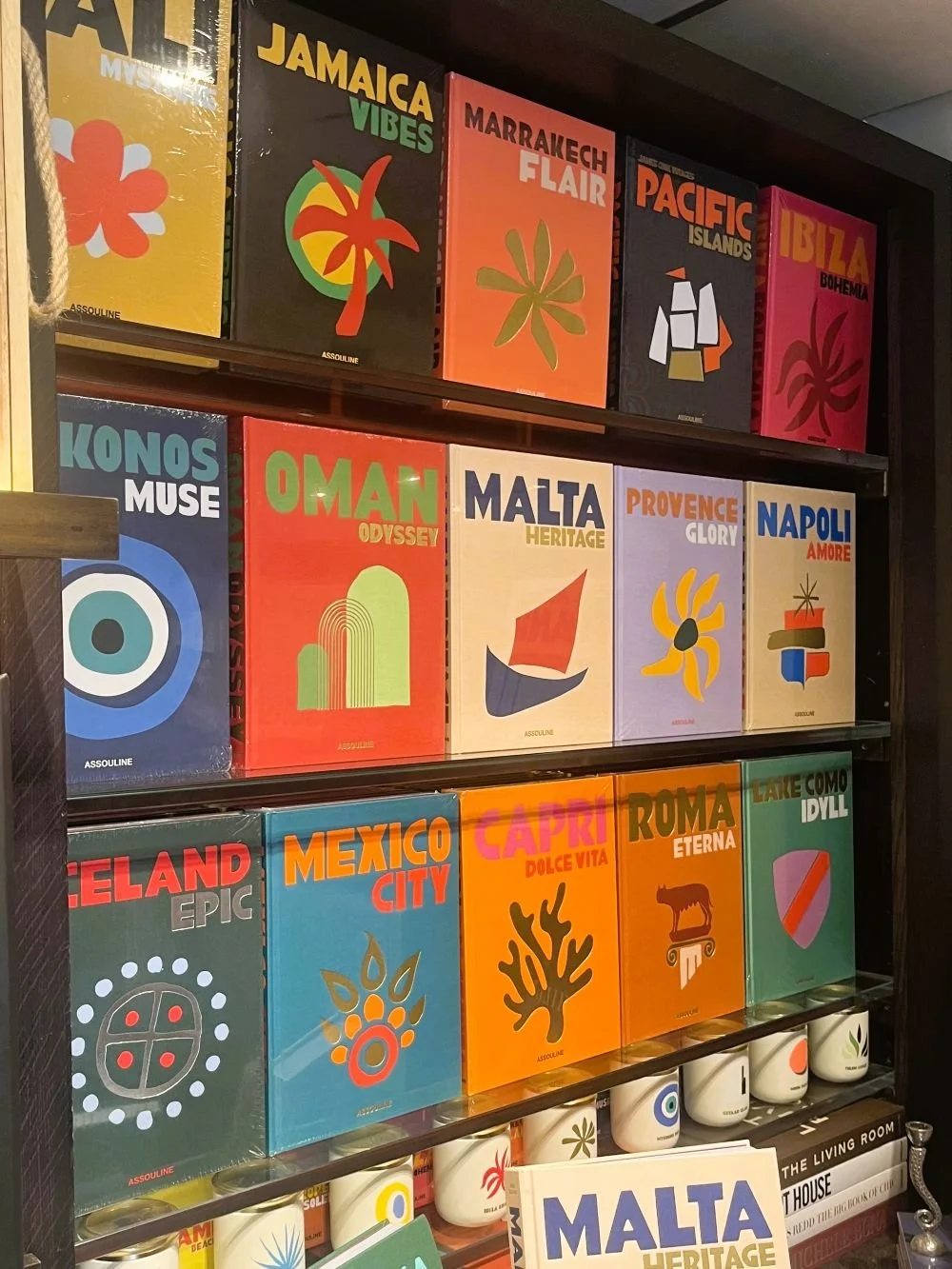

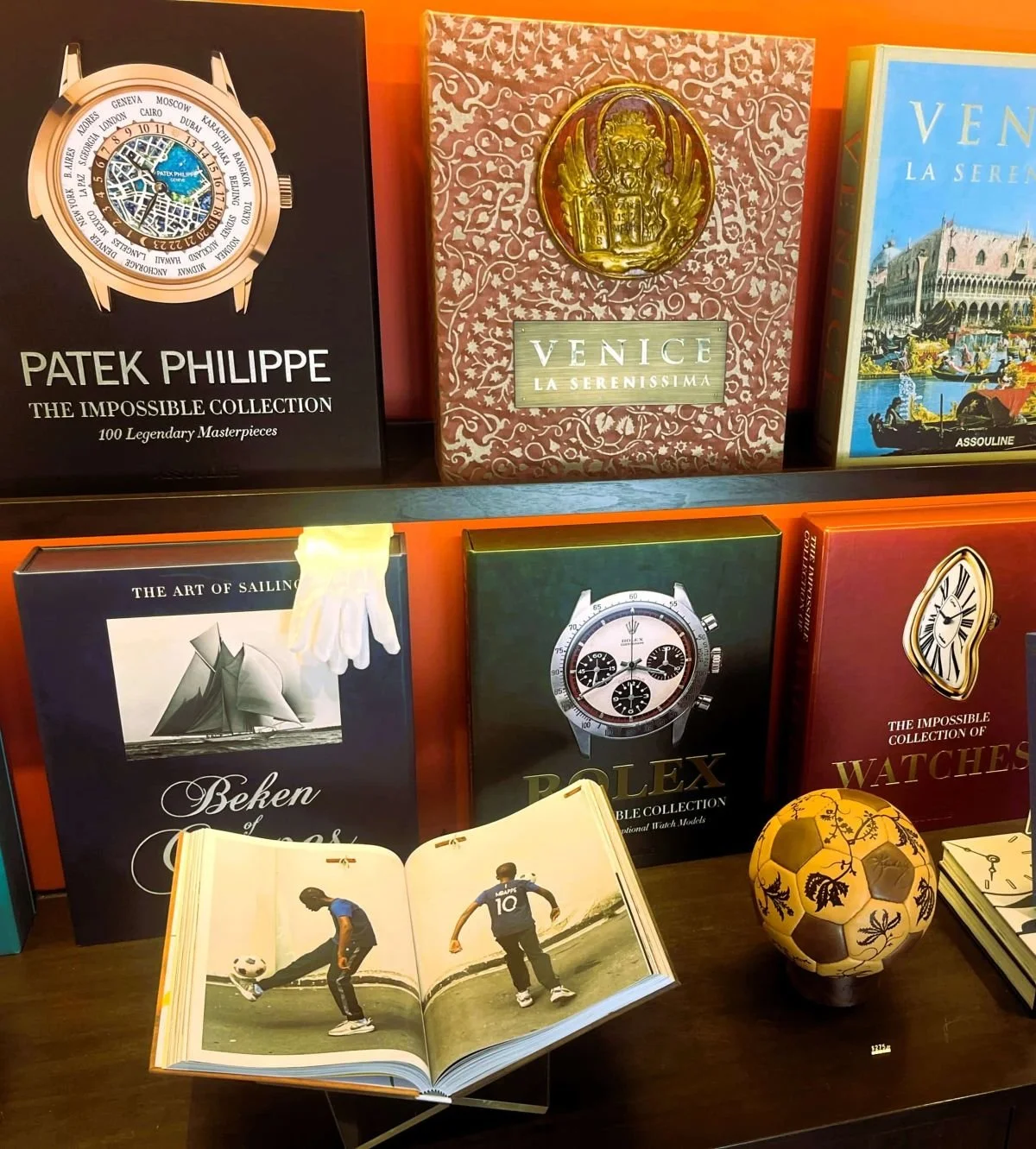
Tucked beside The Mark Hotel on New York’s Upper East Side is a bookstore that is remarkably easy to miss. The Assouline shop on East 77th Street is tiny—more jewel box than sprawling bookstore—but nearly every bit of available space seems devoted to making somewhere else look irresistible.
The shelves are filled with oversized books in vivid colors: Capri, Marrakech, Sicily, Ibiza, Japan, Lake Como, Mykonos, the Amalfi Coast. Pick one up and there is another destination directly behind it. The effect is less like browsing a traditional travel section than standing in front of a wall of possibilities. For a store with such a small footprint, it manages to contain a very large world.
It also presents a familiar dilemma.
Many of Assouline’s best-known travel books cost around $100 or more, which can feel like a lot for a book. Especially a book about a place that can already be explored endlessly online. There are thousands of photographs of Capri, histories of Sicily, videos from Marrakech, maps of Tokyo and restaurant recommendations for Paris available within seconds. And yet people still pick these books up.
Part of the reason may be that they are doing more than one job. A book like this can be a celebration of a place, a souvenir of curiosity about that place, and a beautiful addition to a home or office. That last part is worth admitting. Assouline books are designed to be seen.
Assouline and the Art of the Beautiful Book
Prosper and Martine Assouline founded the company in Paris in 1994, and over the following three decades the name grew into something unusual: part publishing house, part design company, part luxury brand. Its catalog now stretches across travel, art, fashion, architecture, design, food and culture, alongside bookstands, candles, fragrances and decorative pieces.
Even within the books, there is a hierarchy. The colorful volumes most people associate with Assouline belong largely to its Classics Collection. Many of the familiar destination titles—Capri Dolce Vita, Marrakech Flair, Greek Islands, Sicily Honor, Mykonos Muse and St. Moritz Chic among them—sell for around $100, with some titles priced a little higher.
There are also specialty collections. Wine & Travel explores wine regions through landscape, culture and vineyards. The Hospitality Collection focuses on celebrated hotels and resorts. Larger collector-oriented books move into the several-hundred-dollar range. Then there is the Ultimate Collection. These editions can cost well over $1,000 and are hand-bound and presented in elaborate cases. At that point, the line between book, collectible and decoration becomes very thin indeed.
That may sound excessive. It is certainly a long way from buying a paperback for the flight home. But it also makes clear what Assouline is trying to do. The company does not treat books simply as containers for text. It creates books meant to be read, admired and lived with. Travel fits that idea particularly well.
Assouline’s destination books are not conventional guidebooks. Rather than focusing on practical details, they capture the character of a place through photography, architecture, food, landscape, history and style. The view is polished and selective—real destinations are inevitably messier—but travel often begins with just that kind of spark.
The $100 Question
The price still matters. A hundred dollars can feel surprisingly hard to spend on a book, even when spending the same amount on something decorative for the house somehow feels easier. A framed photograph, a print, a lamp or a piece of pottery does not have to justify itself by how much information it contains. Books often do.
That is part of what makes Assouline interesting. The value is not only in the text or even the photographs, but in the physical experience of the book itself: the weight, the scale, the paper, the color and the way the images have been chosen and arranged.
Google can produce millions of pictures of Sicily. A book has to decide which ones belong together.
There is also no point pretending the decorative element does not matter. These are books meant to sit on coffee tables and office shelves. People notice them. They add something to a room. They can also start conversations. That does not make them less like books. It simply gives them another life once they are closed.
A Souvenir of Curiosity
We usually think of a souvenir as something brought home after a journey, but a travel book can be something broader: a souvenir of curiosity. It keeps a place present in our lives, whether through memories, fascination, or simply the possibility of seeing it someday. Because the book remains visible, that curiosity can linger. Someone notices it, a conversation begins, and a place that may have been little more than an idea suddenly feels a little closer.
None of that requires owning an Assouline book, of course. A novel, an old guidebook, a postcard, a photograph or even a map pinned to the wall can keep a place alive in much the same way. Assouline gives that idea a particularly beautiful form.
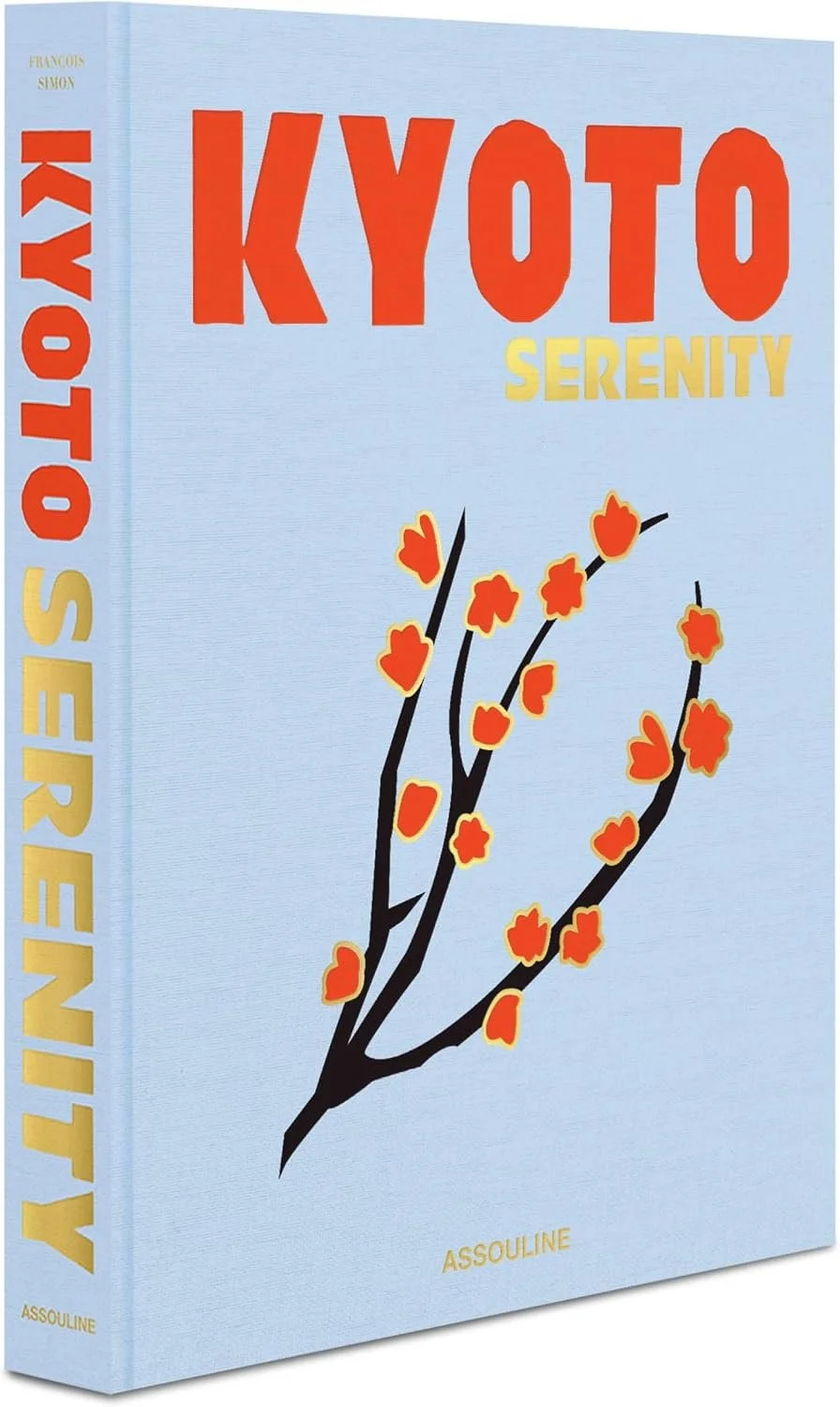
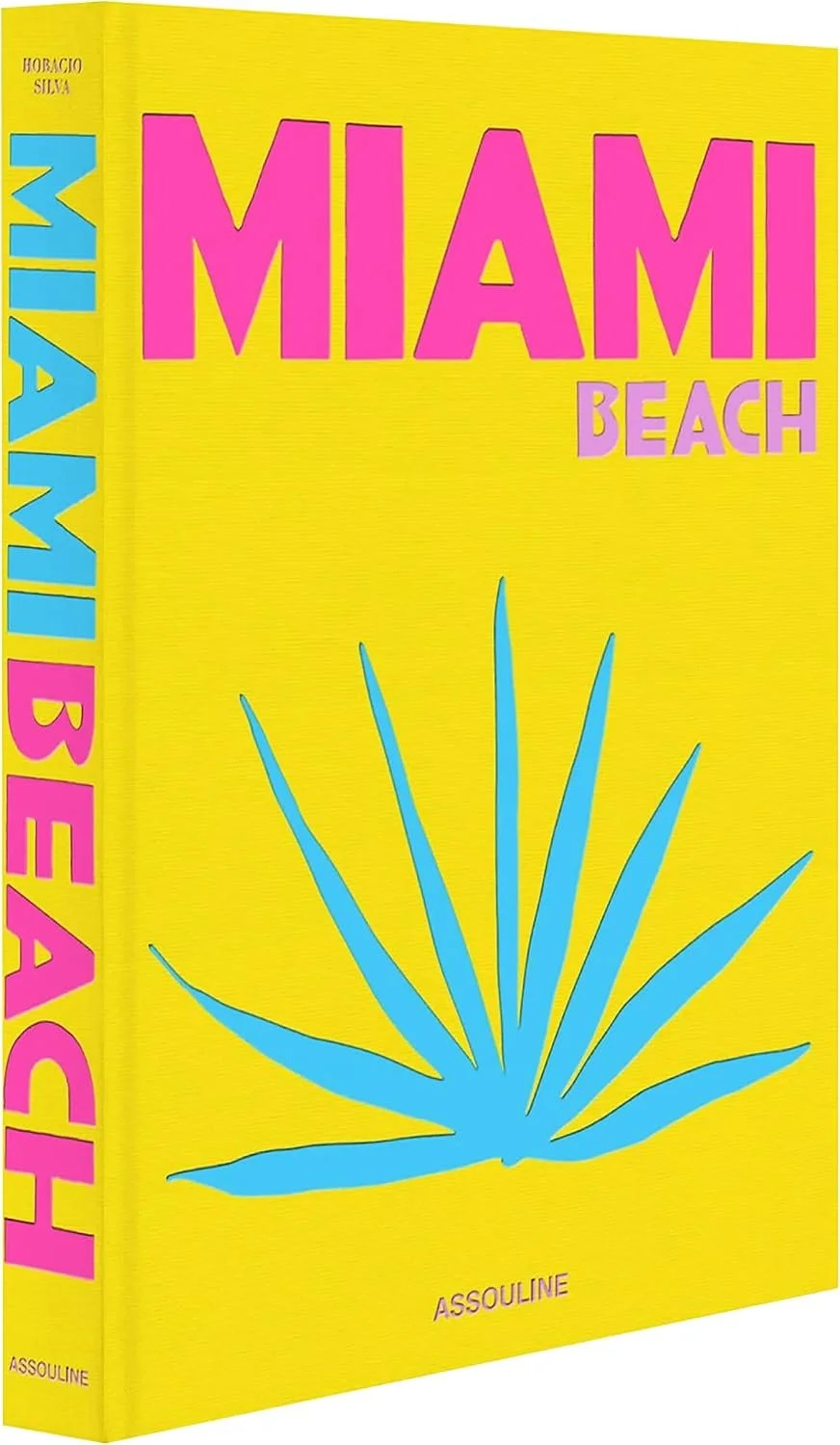
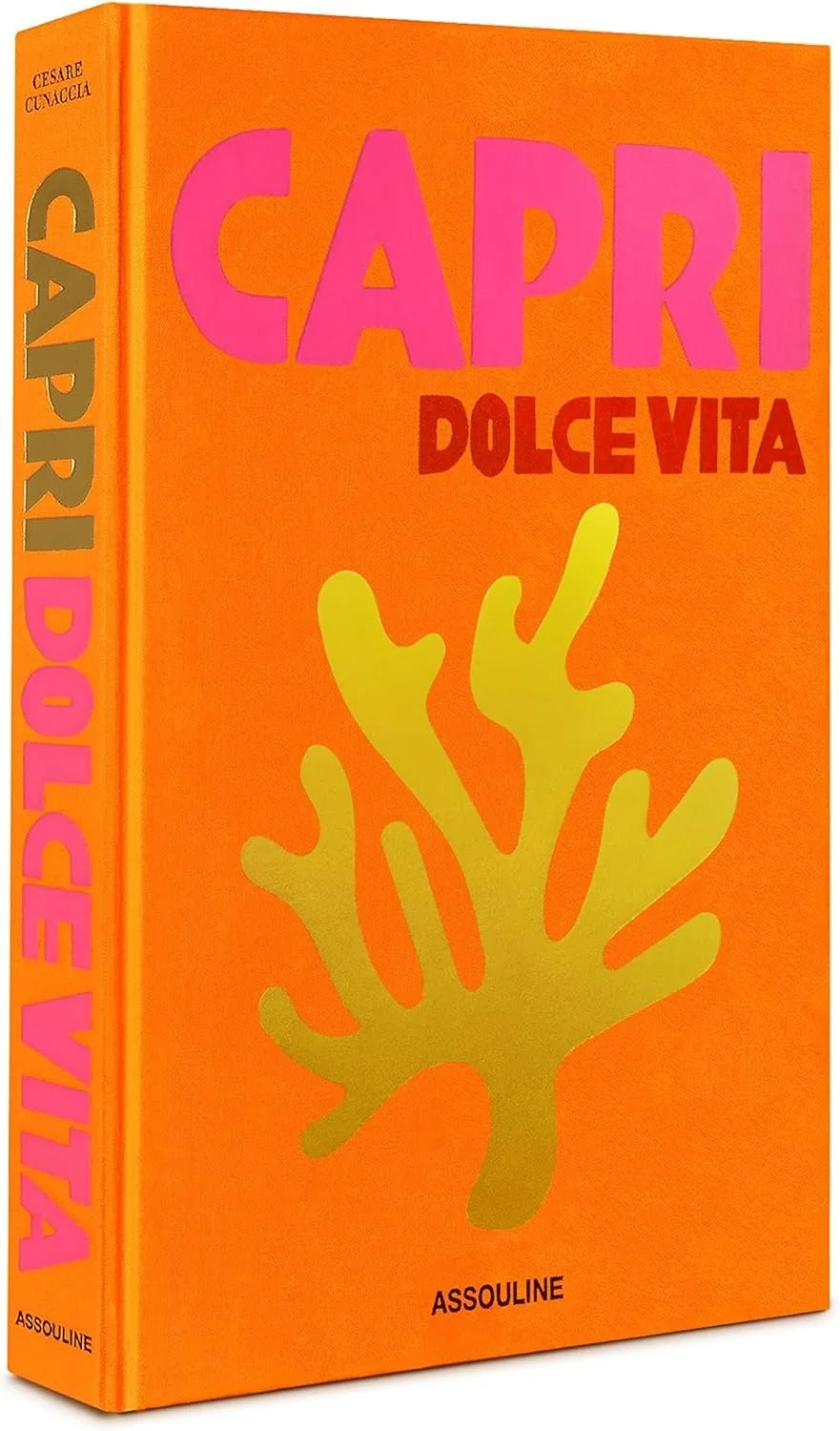
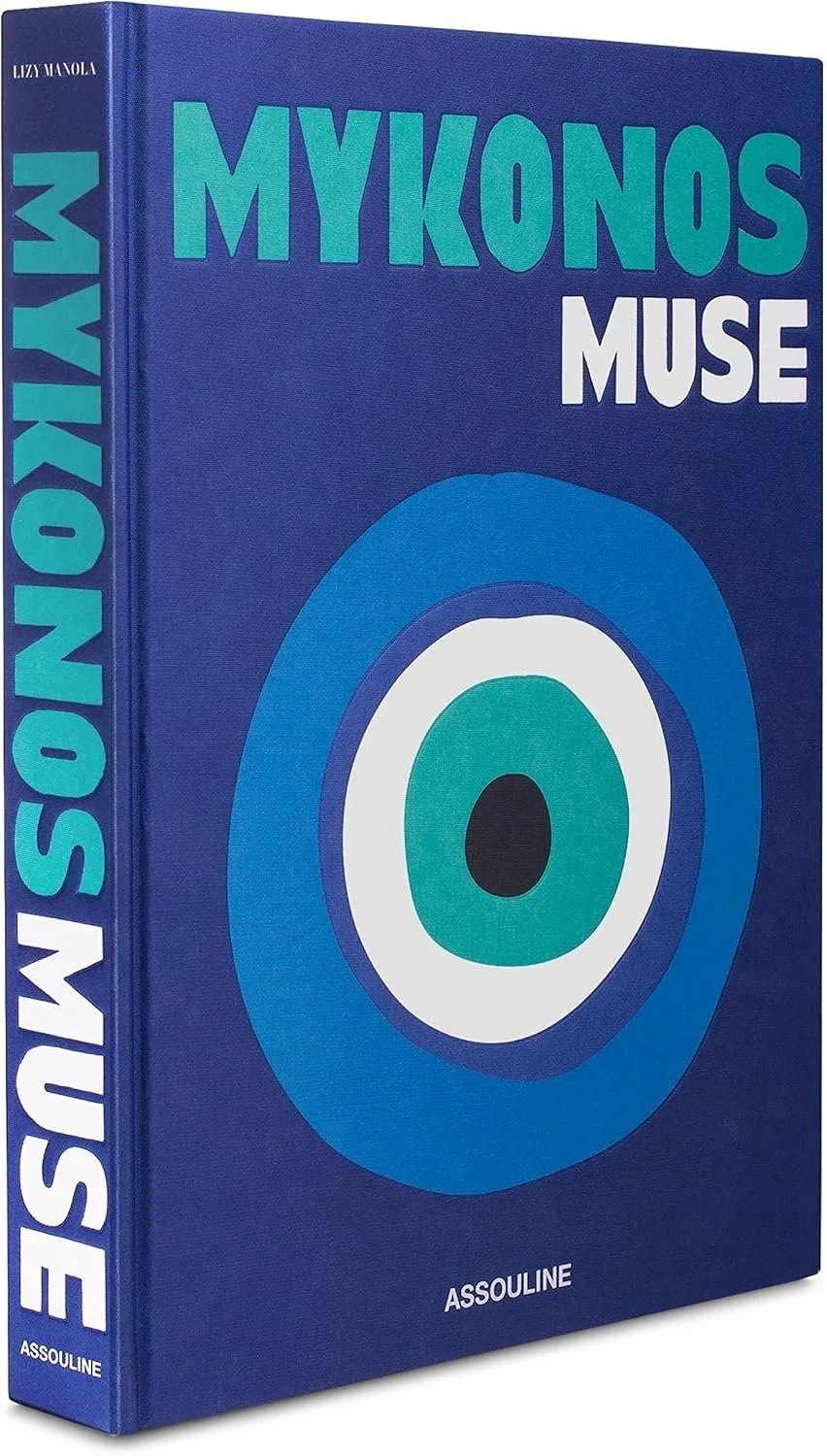
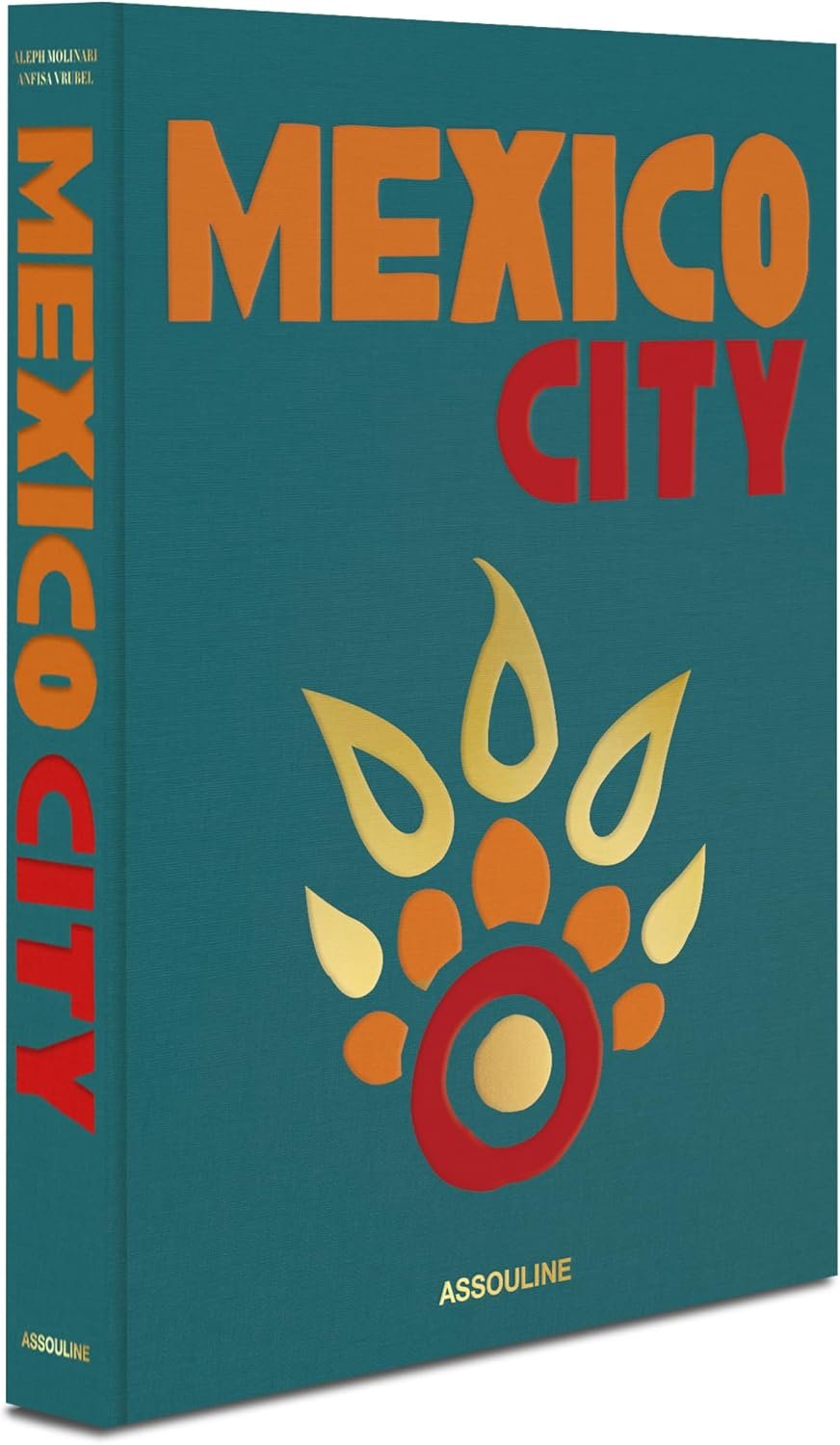
Explore more of Assouline’s travel collection through the Assouline Store on Amazon, or visit our Travelreads guide to Assouline travel books for more about the collections, standout titles, and the places they celebrate.