The Vatican Library: 500 Years of Books, Maps and Secrets
Millions of people visit the Vatican every year. They stand beneath Michelangelo’s ceiling in the Sistine Chapel, walk through galleries crowded with Roman sculpture and Renaissance paintings, and cross St. Peter’s Square beneath Bernini’s great colonnades.
Almost none of them ever enter the Vatican Library.
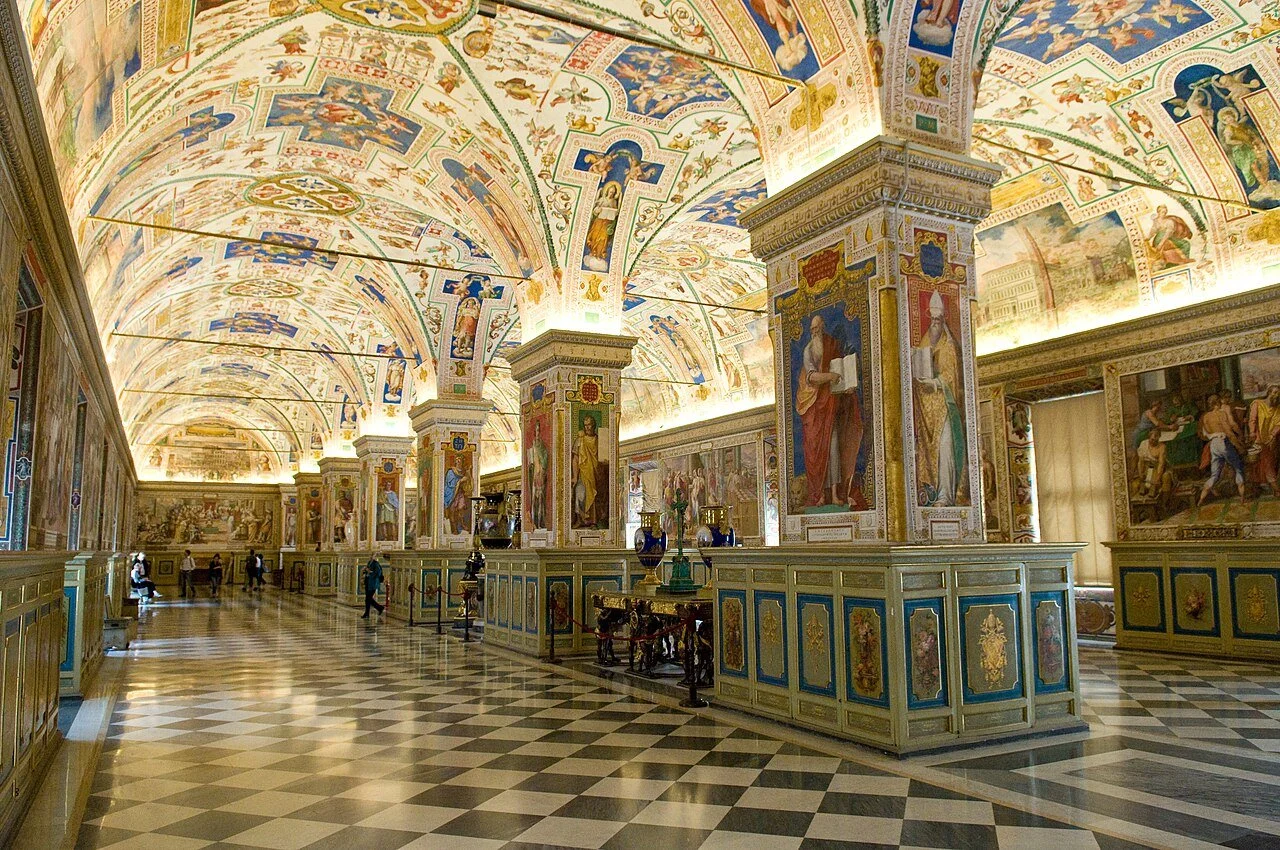
Hidden within the Vatican Palace is one of the world’s great collections of human knowledge: ancient manuscripts, early printed books, maps, drawings, coins, photographs and documents gathered across centuries. The modern library dates to the Renaissance, but its collections reach much further back, preserving works from the ancient world, the Middle Ages and cultures far beyond Europe.
It is easy to imagine the Vatican Library as a kind of secret vault. In reality, its purpose is almost the opposite. Its mission is to preserve extraordinarily fragile material while making it available to scholars — and increasingly, through digitization, to the rest of us.
A Renaissance idea
The Vatican had collections of books and documents long before the Renaissance. What changed in the 15th century was the ambition behind them.
Pope Nicholas V, one of the great humanist popes, sought out manuscripts and supported the copying and translation of classical works at a moment when Renaissance scholars were trying to recover the intellectual inheritance of the ancient world. His goal was not simply to build an impressive papal collection, but to create a library that scholars could actually use.
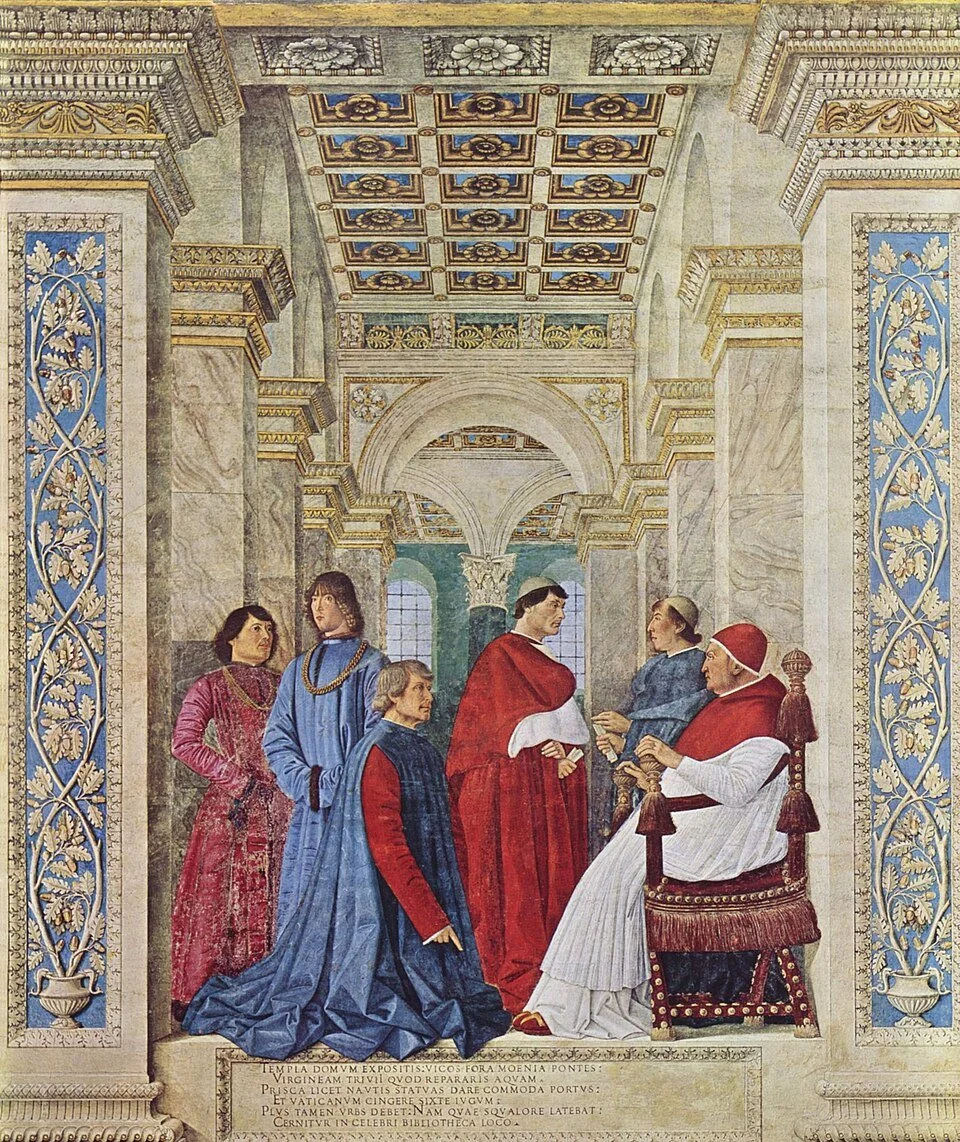
After his death, Pope Sixtus IV gave the idea a permanent institutional form. In 1475 he formally established the Vatican Library and appointed the humanist Bartolomeo Platina as its first librarian. The combination of systematic collecting, professional stewardship and access for scholars made the library an important expression of a distinctly Renaissance idea: knowledge from the past should be actively recovered, organized, preserved and studied. More than five centuries later, that remains essentially its purpose.
What exactly is inside?
One of the best places to begin is with Dante. The Vatican Library owns roughly 40 substantially complete manuscripts of the Divine Comedy, but one stands apart: the Dante Urbinate, created for Federico da Montefeltro, Duke of Urbino, in the late 15th century. The Library describes it as its most celebrated Dante manuscript, and it is easy to see why. Across 117 full-page illuminations, Dante's journey through Inferno, Purgatorio and Paradiso unfolds almost like a Renaissance graphic novel, with richly painted scenes accompanying the text.
The manuscript was copied between 1474 and 1478 by Matteo de Contugi. Many of its illustrations were created in Ferrara by Guglielmo Giraldi and his workshop, while the unfinished portions were completed more than a century later. Federico's great library eventually entered the Vatican collections in 1657.
The Dante Urbinate is spectacular, but it is hardly an isolated treasure.
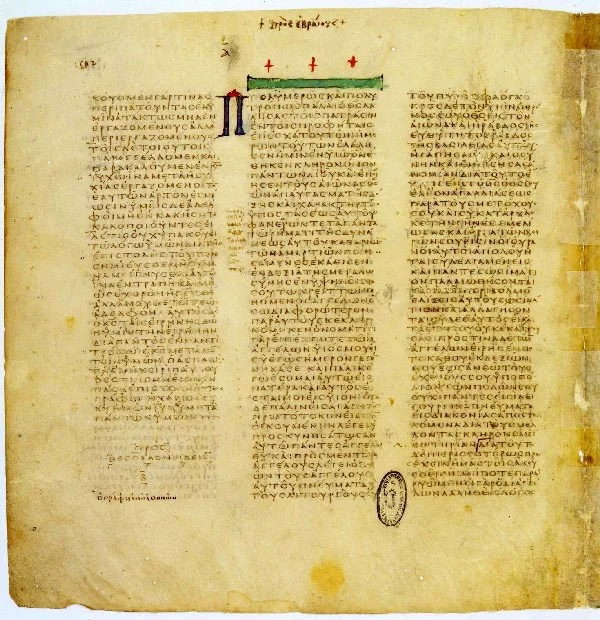
The Codex Vaticanus, produced in the fourth century, is one of the oldest surviving manuscripts of the Greek Bible. It had already entered the Vatican collection by the 15th century, after a history that scholars have traced through Byzantium and Constantinople.
The Vatican Vergil preserves the works of Virgil in one of the oldest surviving illustrated classical manuscripts. Its surviving miniatures offer a rare glimpse of how readers in late antiquity imagined scenes from works such as the Aeneid. The Library considered it important enough to make it the first manuscript in its series of photographic facsimiles, published in 1899.
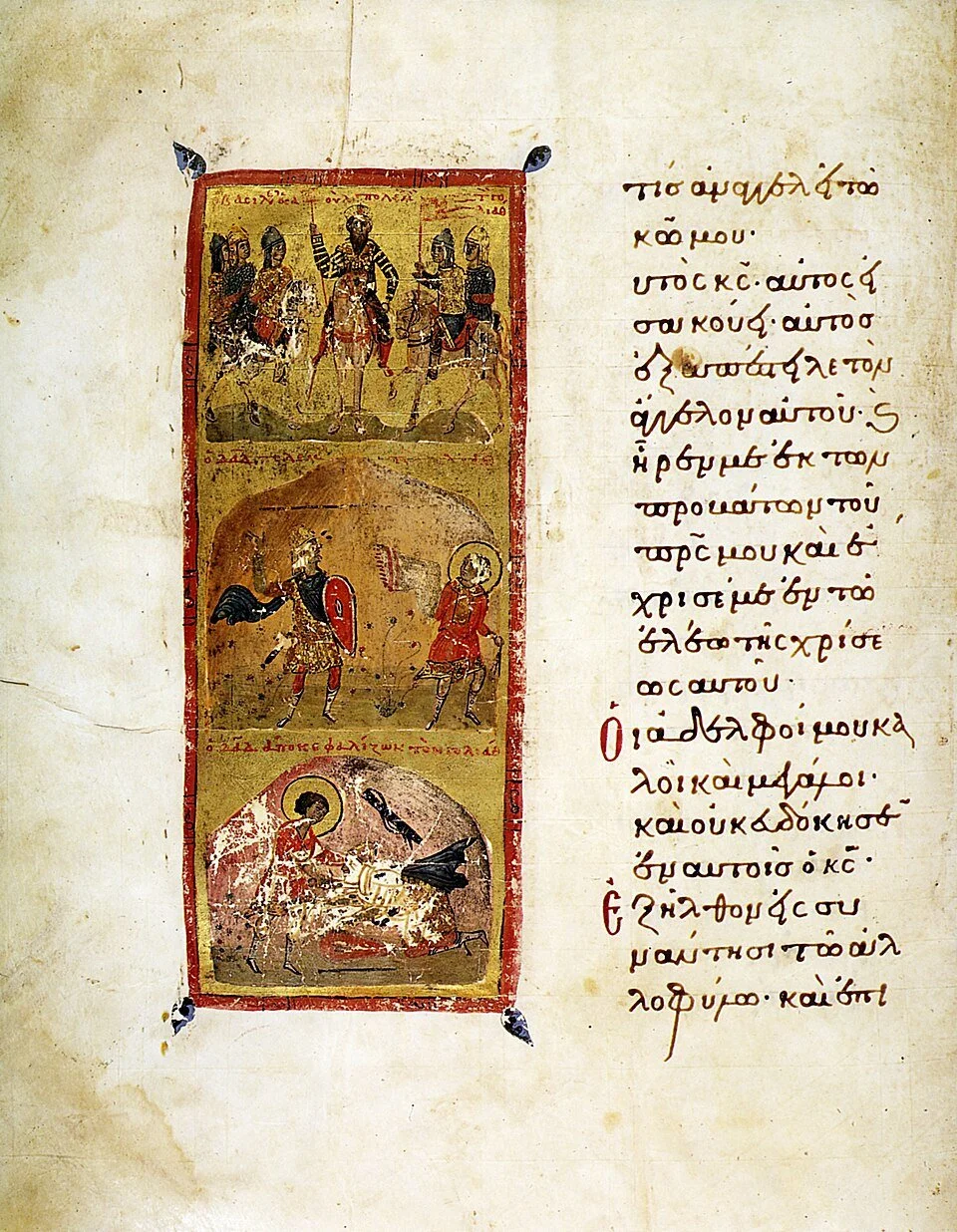
Other celebrated manuscripts include the Roman Vergil, another exceptionally early manuscript of Virgil; the long illustrated Byzantine Joshua Roll; Petrarch's manuscript of the Canzoniere; and the lavishly illuminated Menologion of Basil II, created in the Byzantine world around the turn of the first millennium. These were among the treasures the Library chose for some of its earliest facsimile editions, an effort that began more than a century ago to make important manuscripts accessible beyond the walls of the Vatican.
The collections extend far beyond famous literary and biblical works. There are manuscripts in Greek, Latin, Hebrew, Arabic and many other languages; scientific and medical texts; correspondence and family archives; music; prints and drawings; coins and medals; photographs; and extensive cartographic collections.
The maps are especially fitting in a place like the Vatican. Over centuries they recorded expanding geographical knowledge, changing political boundaries and radically different ideas about the shape of the world. Taken together with the Library's books and manuscripts, they make the collection something much broader than a religious archive: a record of how generations of people tried to describe, preserve and understand the world around them.
A library that still works
Perhaps the most surprising thing about the Vatican Library is that it is not a museum. It remains a working research library where qualified scholars come to study manuscripts, rare books and other original material.
Behind the historic rooms is a modern organization with specialists devoted to manuscripts, printed books, coins and medals, conservation, cataloguing, photography, digitization and information technology. Overall responsibility rests with the Archivist and Librarian of the Holy Roman Church, while the Prefect of the Vatican Library directs its scholarly and administrative operations.
The staff includes librarians, manuscript specialists, historians, conservators, photographers and technology experts. Their challenge is straightforward to describe but difficult to accomplish: preserve material that may already be hundreds or thousands of years old while still allowing it to be studied.
Preserving a book without hiding it
A medieval manuscript is unique. Every time it is opened, handled or moved, there is some degree of risk, yet keeping it permanently closed would defeat much of the reason for preserving it in the first place.
Digitization has given the Library a way to reconcile those competing goals. Beginning in earnest in the early 2010s, it undertook a major effort to photograph and digitize its manuscript holdings. Each volume has to be assessed, prepared, photographed page by page, checked, catalogued and stored in digital formats intended to remain usable well into the future.
The result is the Digital Vatican Library, where anyone can now explore thousands of digitized manuscripts and other materials, often page by page and in remarkable detail.
Explore the Digital Vatican Library
For Travelreads readers, this may be the closest thing to walking through the Library itself. You can open manuscripts that once would have been available only to a small group of scholars and examine their handwriting, illustrations and margins from anywhere in the world.
Can you visit the Vatican Library?
Usually, no.
The Vatican Library is not part of the standard Vatican Museums route, and ordinary visitors cannot simply buy a ticket and enter its reading rooms. Access is primarily for qualified researchers with a defined scholarly purpose, and particularly rare materials may require additional authorization. The historic spaces are occasionally used for exhibitions, cultural programs and special events, so it is worth checking the Library's exhibition schedule before visiting Rome.
For most travelers, though, the best way to experience the Library is indirectly. Visit the Vatican Museums knowing that beyond the public galleries another institution is still at work: researchers studying manuscripts, conservators repairing fragile volumes, photographers digitizing pages and librarians cataloguing collections accumulated over centuries. Before or after the visit, spend some time in the Digital Vatican Library and look closely at something such as the Dante Urbinate or Codex Vaticanus.
Read more
A few books can take the story further without requiring a degree in manuscript studies.
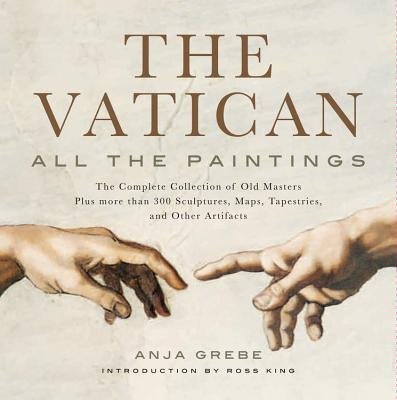
The Vatican: All the Paintings by Anja Grebe
A lavish visual survey of the Vatican’s artistic collections. It is broader than the Library itself, but it captures the extraordinary concentration of art, history and scholarship that makes the Vatican such a remarkable place.
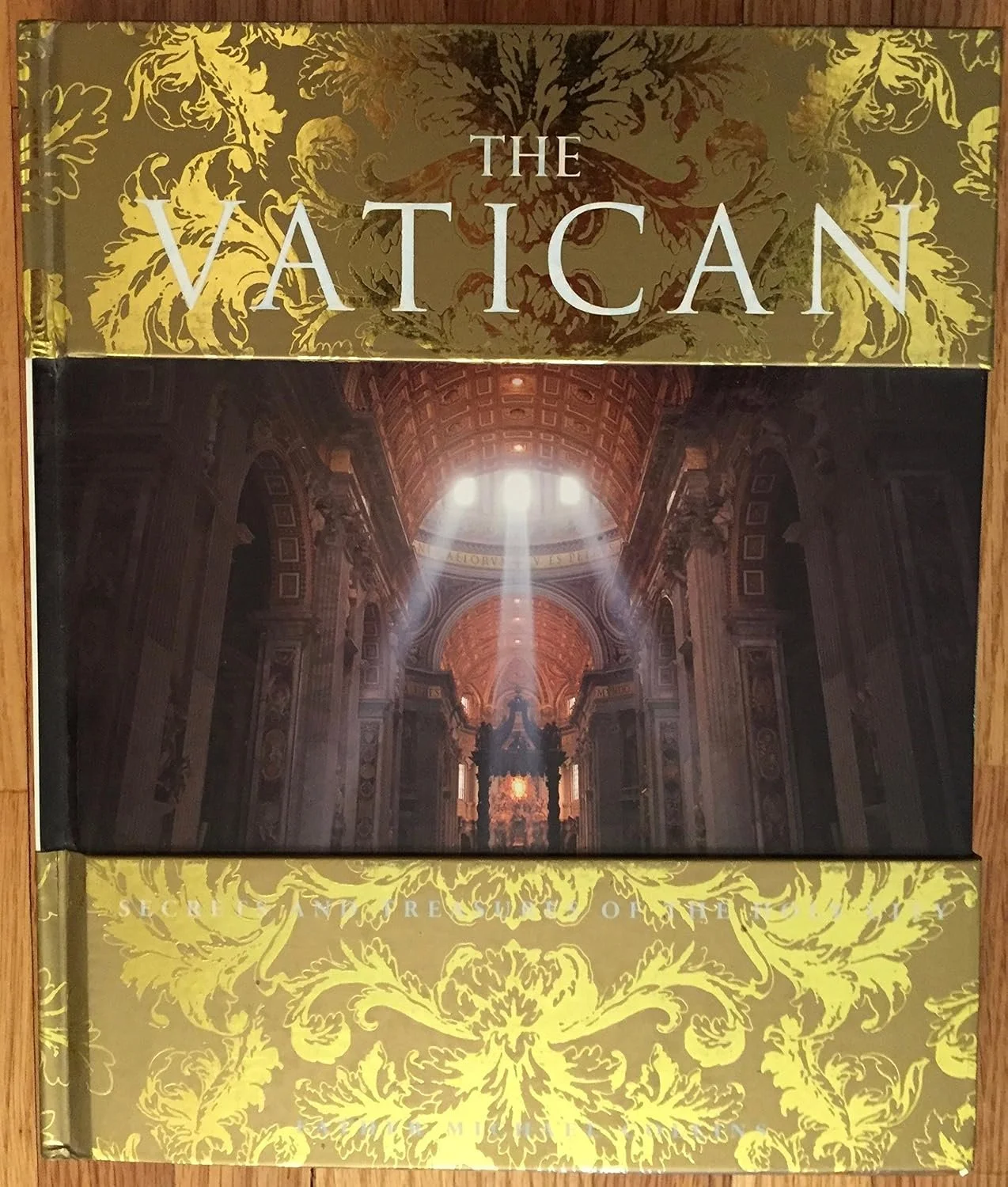
The Vatican: Secrets and Treasures of the Holy City
A richly illustrated introduction to the Vatican’s history, art and institutions, with a focus on the remarkable places, collections and stories that have accumulated within its walls. A good choice for readers who want a broader sense of the Vatican before visiting Rome.
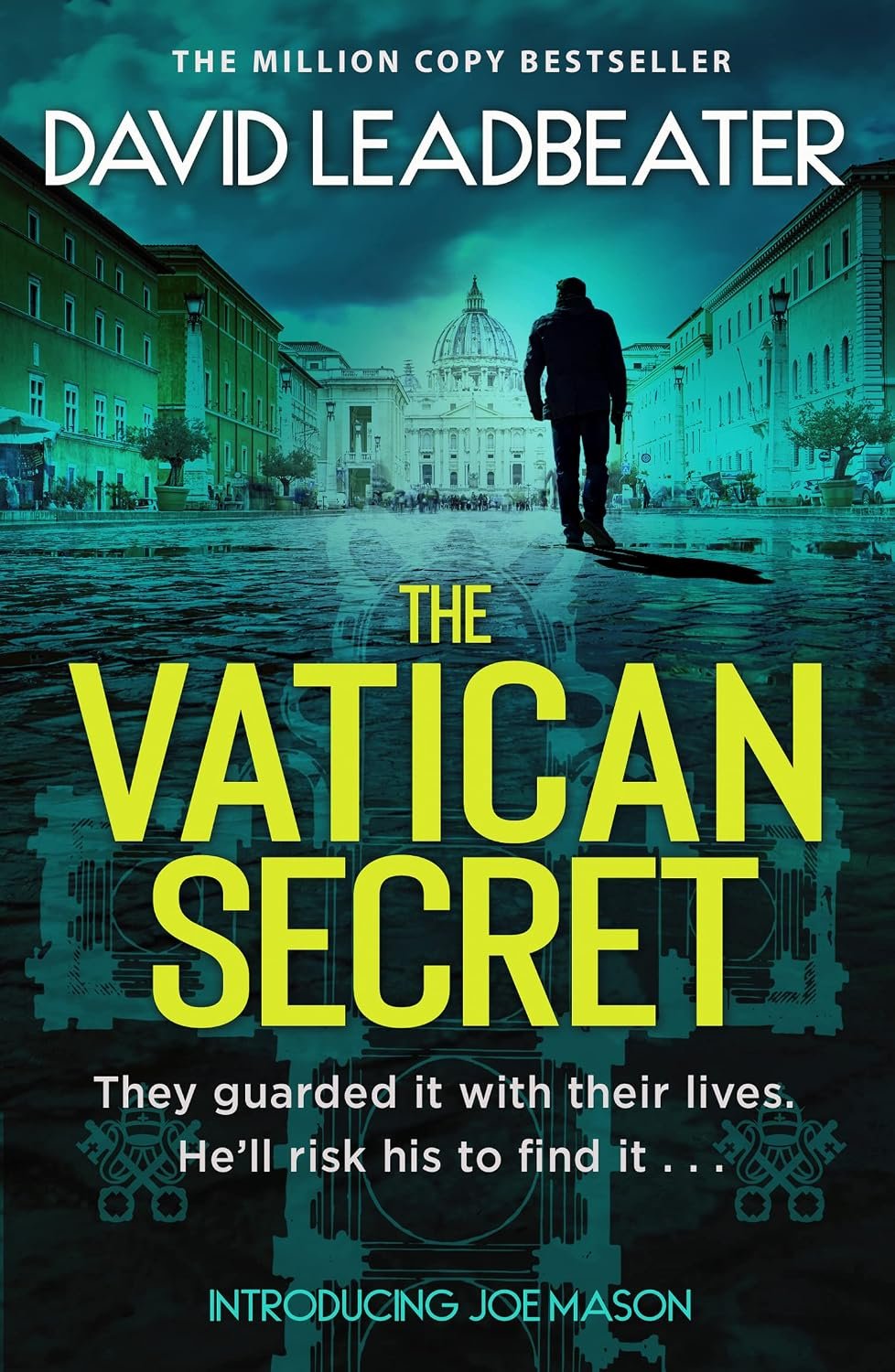
The Vatican Secret by David Leadbeater
For something lighter, this thriller begins with the theft of an ancient manuscript from the Vatican and turns into an international chase. It is fiction, of course, but it plays directly with the sense of secrecy and hidden history that makes the real Vatican Library so intriguing.
A library built for the future
The Vatican Library's most interesting achievement may be that it has remained remarkably faithful to its Renaissance purpose. It was created to collect important knowledge, preserve it and make it available for study; today, conservation labs, digital photography and online access have simply expanded the ways that mission can be carried out.
Understanding the Library also changes the way we understand the Vatican itself. The Vatican is not only a center of faith, art and ceremony, but also a place that has spent centuries collecting, organizing and preserving ideas from across the world. That tradition helps explain much of what surrounds a visitor in Rome: the manuscripts, maps, architecture, museums and extraordinary concentration of art and scholarship all belong to the same larger story.
The rooms and manuscripts may belong to another age, but the institution is still doing what it was created to do more than 500 years ago: helping preserve the past so that it can continue to shape how we understand the present.