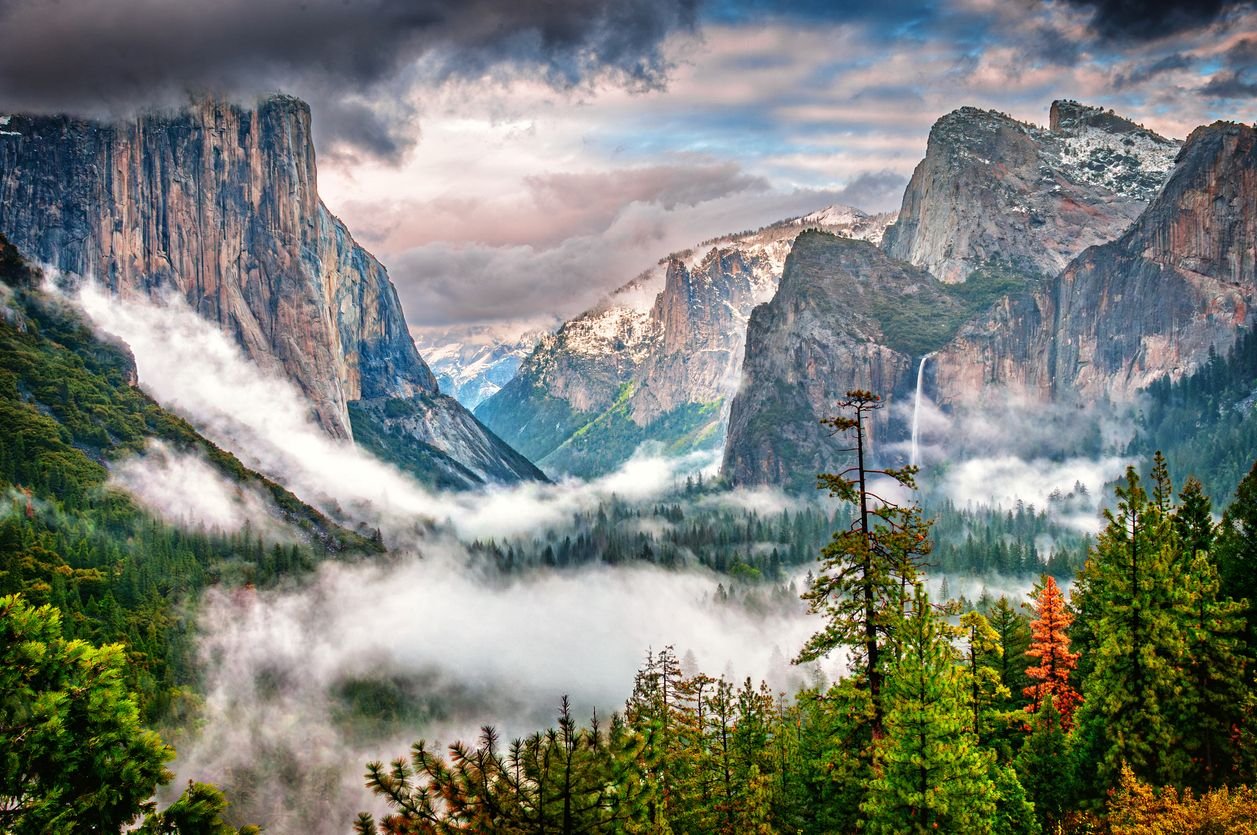
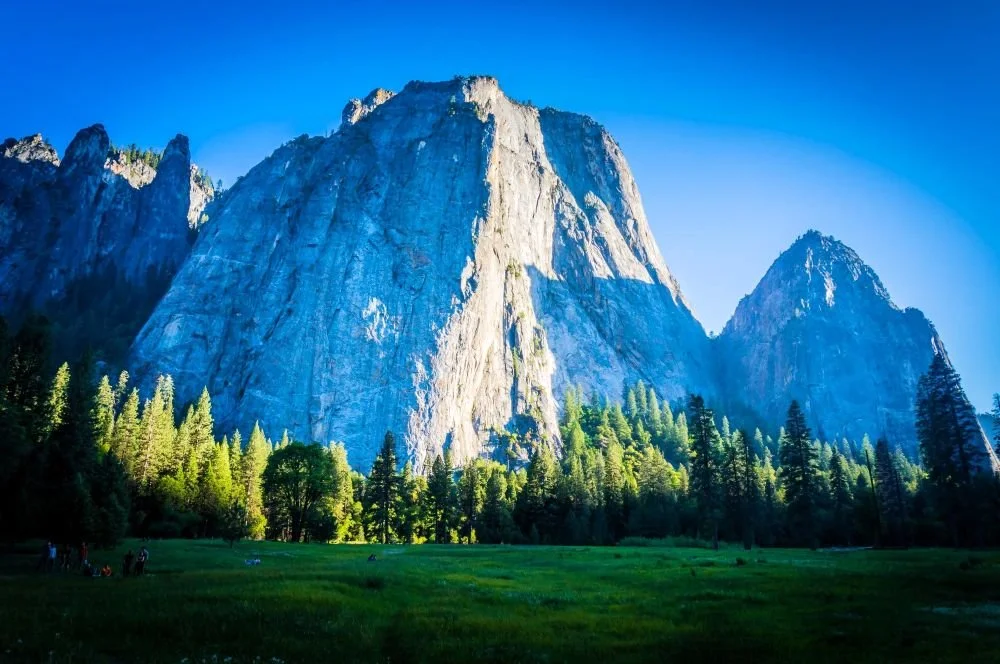
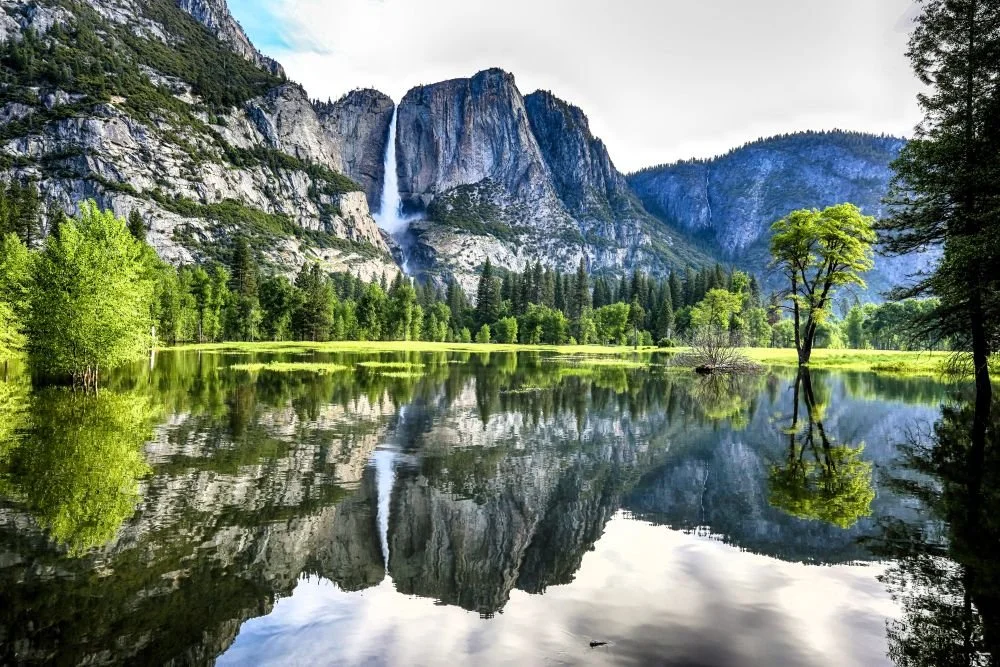
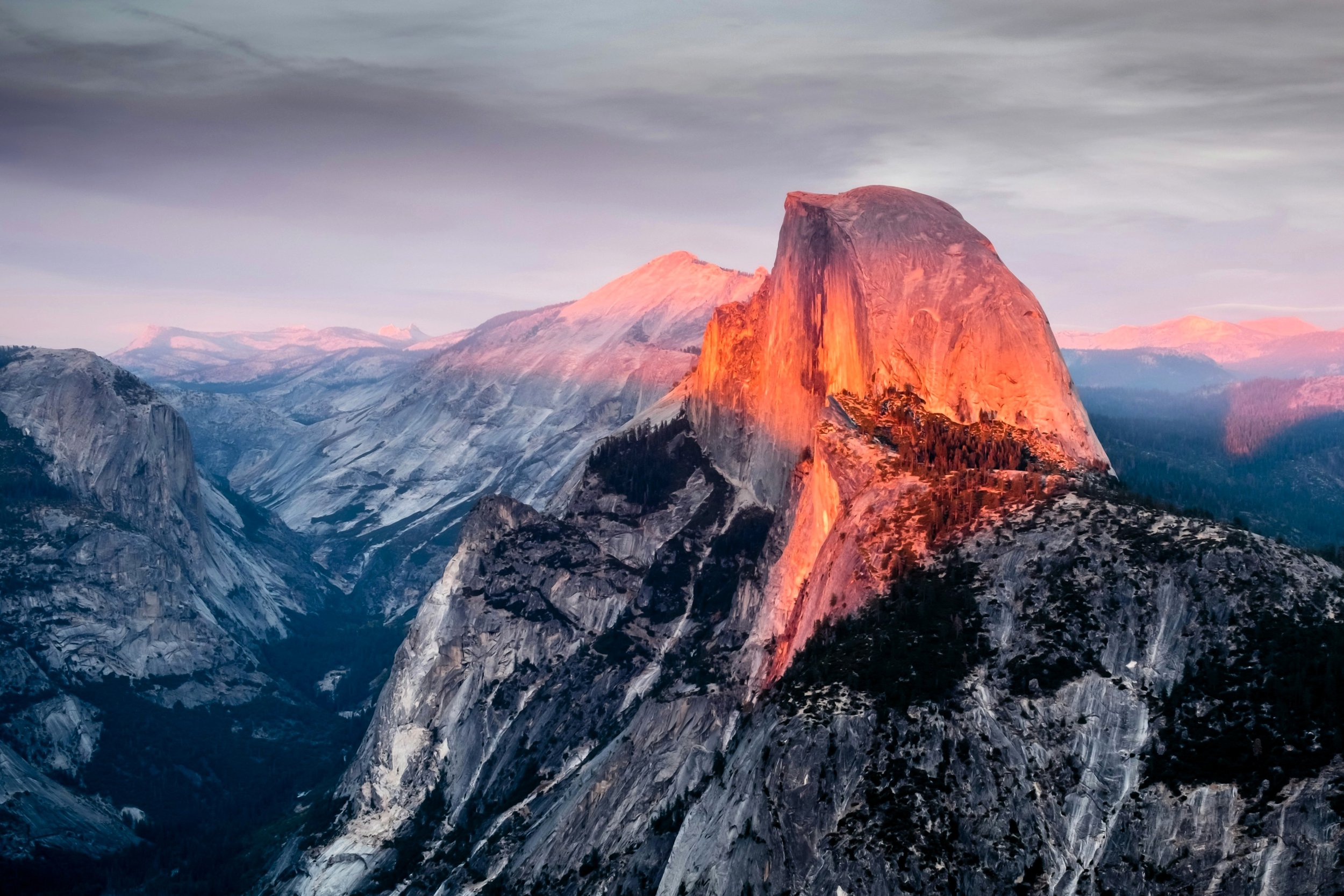
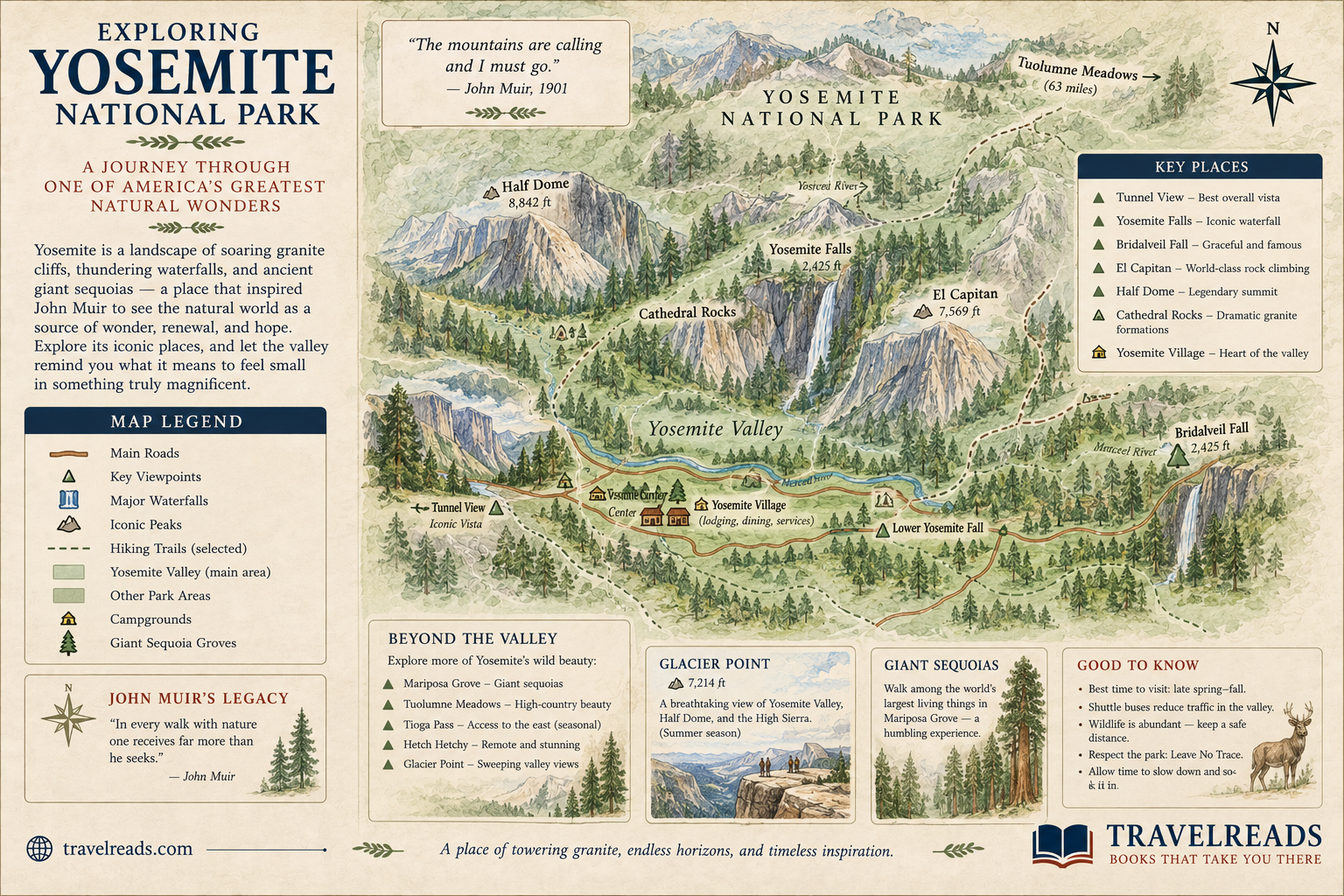
Millions of people visit Yosemite National Park every year. They come for the soaring granite cliffs, the waterfalls that tumble hundreds of feet into the valley below, and the giant sequoias that have stood watch for millennia. They come to hike, to photograph, to marvel.
But few arrive knowing that Yosemite is more than one of America's most beautiful places. It is one of America's most important stories. Long before Yosemite became a national park, it became something far more remarkable: the place that helped convince a young nation that extraordinary landscapes should be protected—not for profit, not for development, but simply because they belonged to everyone.
Understanding that story changes the way you experience Yosemite. Every overlook, every towering cliff, every ancient tree becomes part of something much larger than a vacation destination. It becomes part of the birthplace of the American conservation movement.
A Valley Unlike Any Other
For thousands of years, the Yosemite Valley was home to the Ahwahneechee people, who knew its granite walls, meadows, rivers, and seasons long before the rest of the country ever heard its name. When Euro-American settlers first entered the valley in the mid-1800s, they encountered a landscape unlike anything they had imagined. Towering cliffs rose nearly a mile above the valley floor. Waterfalls seemed to pour from the sky. Massive sequoias challenged every assumption about the natural world.
Word spread quickly. Artists packed their canvases. Early photographers hauled cumbersome equipment into the Sierra Nevada. Travelers returned east with stories that sounded almost unbelievable. For most Americans, Yosemite was not first experienced in person. It was experienced through stories.
The Valley That Changed America
The timing could hardly have been more extraordinary. In the midst of the Civil War, while the nation struggled to preserve the Union, President Abraham Lincoln signed the Yosemite Grant of 1864. As stories, paintings, and photographs spread Yosemite’s fame and concerns grew about tourism and private development, advocates persuaded Congress to act before the valley could be altered or claimed. The law protected Yosemite Valley and the nearby Mariposa Grove of Giant Sequoias, placing them under California's care for the benefit of the public.
Today, setting aside a beautiful landscape for future generations feels almost obvious. In 1864, it was revolutionary. The idea that a place could be preserved simply because it possessed extraordinary natural beauty had little precedent. Yosemite was helping to redefine what public land could be. It wasn't yet a national park—that designation would come later—but the idea had taken root. Some places were simply too remarkable to lose.
John Muir Gives Yosemite a Voice
If the Yosemite Grant protected the valley, John Muir helped the world fall in love with it. Arriving in California in 1868, Muir wandered Yosemite with the curiosity of both a scientist and a poet. He climbed peaks, studied glaciers, slept beneath the stars, and filled notebooks with vivid descriptions of the landscape around him.
His writing did more than describe Yosemite. It transformed it. Readers who had never set foot in California suddenly understood that wilderness was not empty land waiting to be conquered. It was a living cathedral deserving of admiration, respect, and protection. Muir's essays inspired a generation of Americans to care about places they had never seen. His advocacy helped lead to the creation of Yosemite National Park in 1890, ensuring that the surrounding high country would be preserved alongside the valley itself. More than a century later, his words still shape how many of us see Yosemite before we ever arrive.
More Than a National Park
Protecting Yosemite did not end the conversation.
The controversial flooding of Hetch Hetchy Valley in the early twentieth century revealed that even America's most treasured landscapes remained vulnerable. The debate became one of the defining moments in conservation history and continues to influence discussions about public lands today. Later, the breathtaking photographs of Ansel Adams introduced Yosemite to millions more. His black-and-white images became iconic not simply because they were beautiful, but because they reminded people what was worth protecting. Together, writers, photographers, artists, scientists, and countless park stewards ensured that Yosemite became more than a destination. It became an idea. An idea that some places possess a value beyond what can be built, bought, or harvested.
That legacy stretches far beyond California. It influenced the creation of national parks across the United States and helped inspire conservation efforts around the world. Every visitor who pauses at Tunnel View or stands beneath El Capitan is experiencing more than one of nature's masterpieces. They are standing in a place that helped change how we think about nature itself.
Reading Yosemite
The story of Yosemite does not end when you leave the park. These five books offer different ways to experience the valley—through the words of the man who helped save it, the photographs that made it famous, the history that gives it context, the personal story of one ranger whose life became inseparable from the wilderness he loved, and a gripping account of one of Yosemite’s most extraordinary climbing achievements.
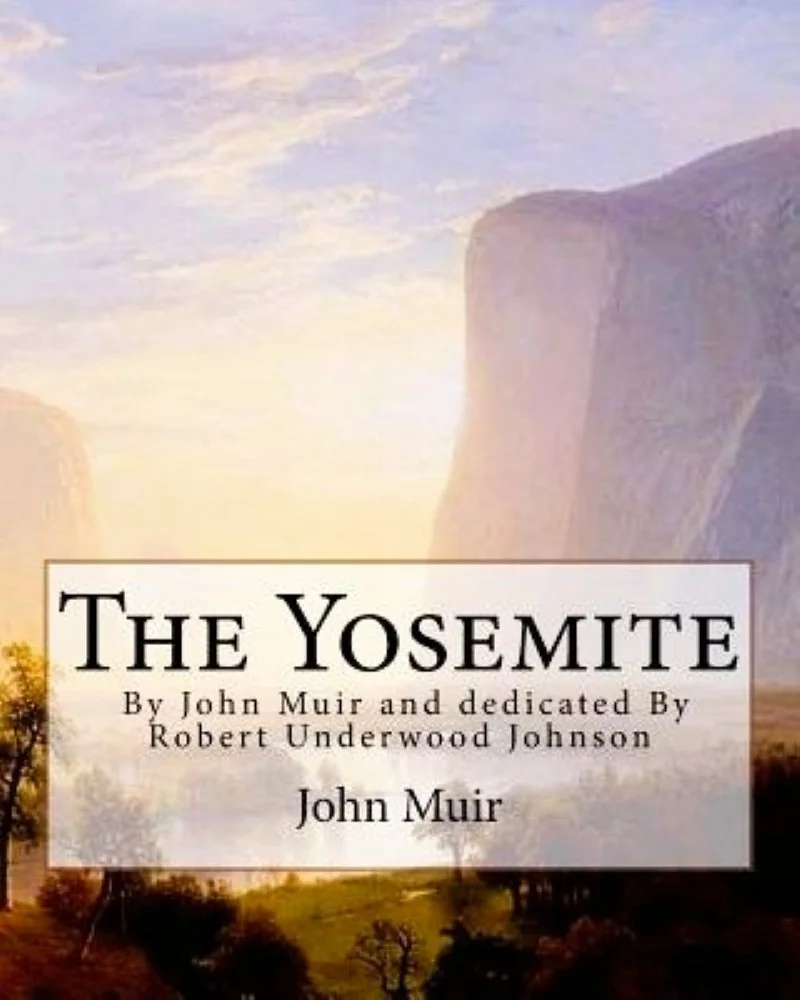
The Yosemite (John Muir, 1912) — A timeless collection of Muir's essays celebrating Yosemite's landscapes and the wilderness he devoted his life to protecting.
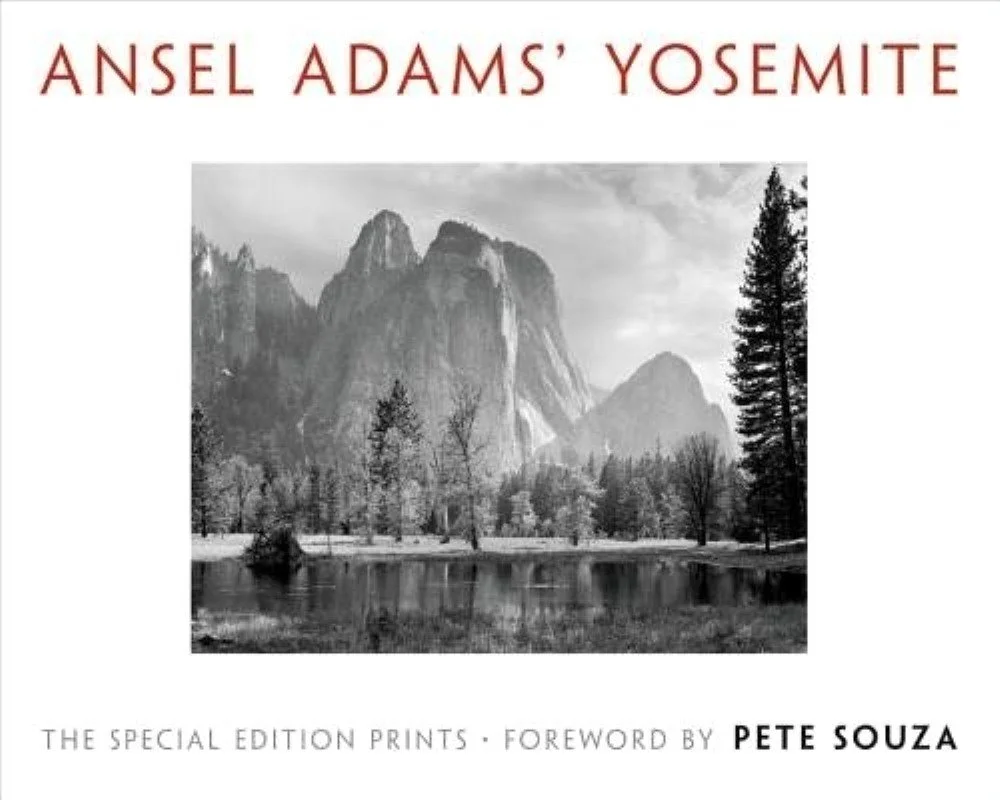
Yosemite (Ansel Adams, 1995) — A stunning collection of Adams's iconic black-and-white photographs, accompanied by his reflections on the park that inspired his life's work.
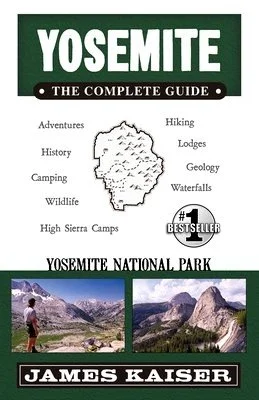
Yosemite: The Complete Guide (James Kaiser, first published 2007; regularly updated) — An engaging guide that blends Yosemite's geology, history, wildlife, and trails, making it one of the best introductions to the park.
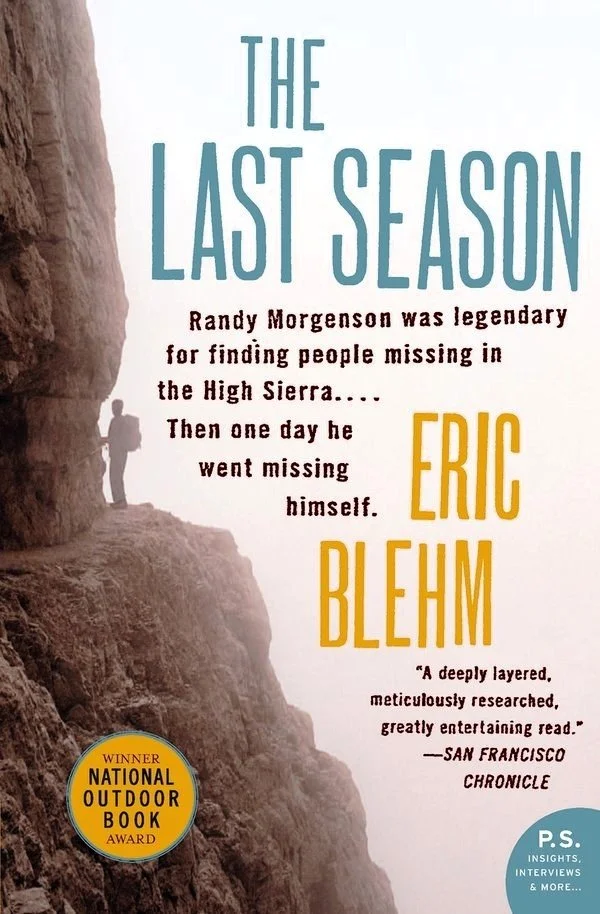
The Last Season (Eric Blehm, 2005) — The true story of legendary Yosemite ranger Randy Morgenson, whose disappearance became a moving tribute to a life spent in the Sierra wilderness.
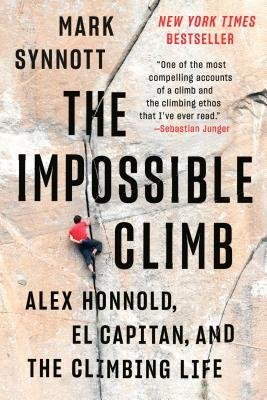
The Impossible Climb (Mark Synnott, 2019) — A riveting account of Alex Honnold’s free solo ascent of El Capitan, placing one of the most astonishing feats in modern climbing within the larger history, culture, and obsession of Yosemite’s climbing world.
Together, these books reveal Yosemite from very different angles: as wilderness, inspiration, obsession, workplace, and proving ground. They also help explain why the park has held such a powerful place in the American imagination—and why the idea of protecting places like it still matters.
Every destination has its own bookshelf. Travelreads is proud to partner with Bookshop.org so you can continue exploring the world through books while supporting independent bookstores. Continue exploring the stories, landscapes, and literary traditions of this wonderful state on our California bookshelf.