The Wonder of the Skyscraper
For most of human history, cities could only rise so high.
Stone and brick were heavy. The taller a building became, the thicker its walls needed to be. Upper floors were difficult to reach, fire was a constant risk, and wind became a greater problem with every additional story. Long before skyscrapers, cathedrals offered their own version of architectural wonder. Their towers and spires rose above medieval cities as symbols of faith, wealth, and human ambition, proving that height itself could inspire awe.
Then, in the late nineteenth century, several breakthroughs arrived at roughly the same time. Safer elevators made upper floors practical. Iron and steel frames allowed buildings to carry their weight internally rather than through massive exterior walls. Better foundations, fireproofing, and construction methods pushed the limits higher.
The modern skyscraper was born. In little more than a century, humanity went from experimenting with ten-story buildings to constructing a tower more than half a mile into the sky.
Chicago Learns to Build Up
The story begins in a city rebuilding itself.
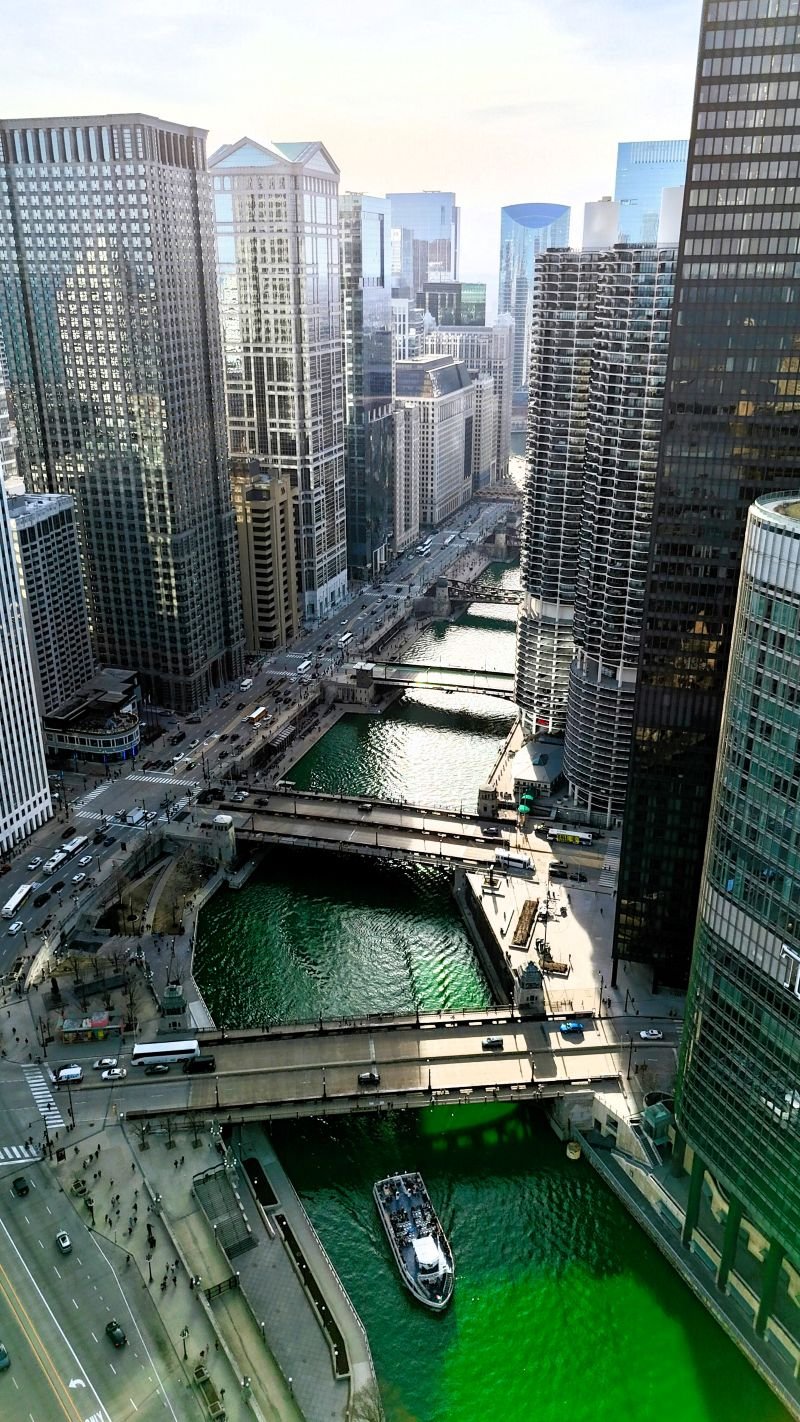
After the Great Chicago Fire of 1871, Chicago entered a period of extraordinary growth. Downtown land became increasingly valuable, businesses needed more space, and architects began experimenting with new ways to build upward.
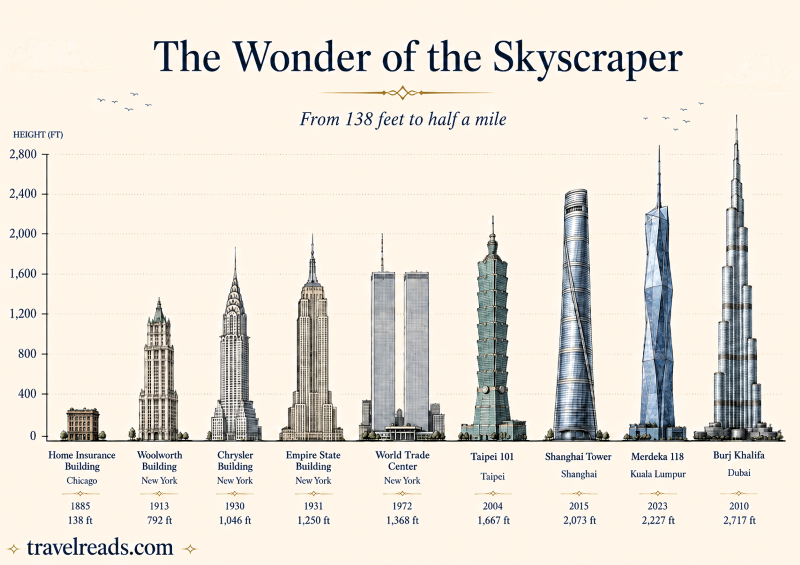
One of the most important examples was the Home Insurance Building, completed in 1885. At ten stories and 138 feet, it would barely register on a modern skyline. Its importance was structural. Designed by William Le Baron Jenney, it used a metal framework to carry much of the building’s weight, reducing the need for the enormous masonry walls used in earlier tall buildings. It is often called the world’s first skyscraper, although historians still debate which building truly deserves that title.
Like many inventions, the skyscraper did not appear in a single moment. Engineers in several cities were experimenting with elevators, iron, steel, fireproofing, and new structural systems at the same time. Still, Chicago became one of the great laboratories for the new form. Jenney, Daniel Burnham, John Root, Louis Sullivan, and others explored not only how tall buildings should stand, but what they should look like.
A city no longer had to grow only outward. It could grow upward.
New York Races Toward the Sky
Once tall buildings became possible, height quickly became something more than a practical solution. It became competition. By the early twentieth century, New York had embraced the skyscraper with extraordinary enthusiasm. Manhattan’s expensive land made building upward attractive, but developers and corporations also recognized the symbolic power of a tower that could dominate the skyline.
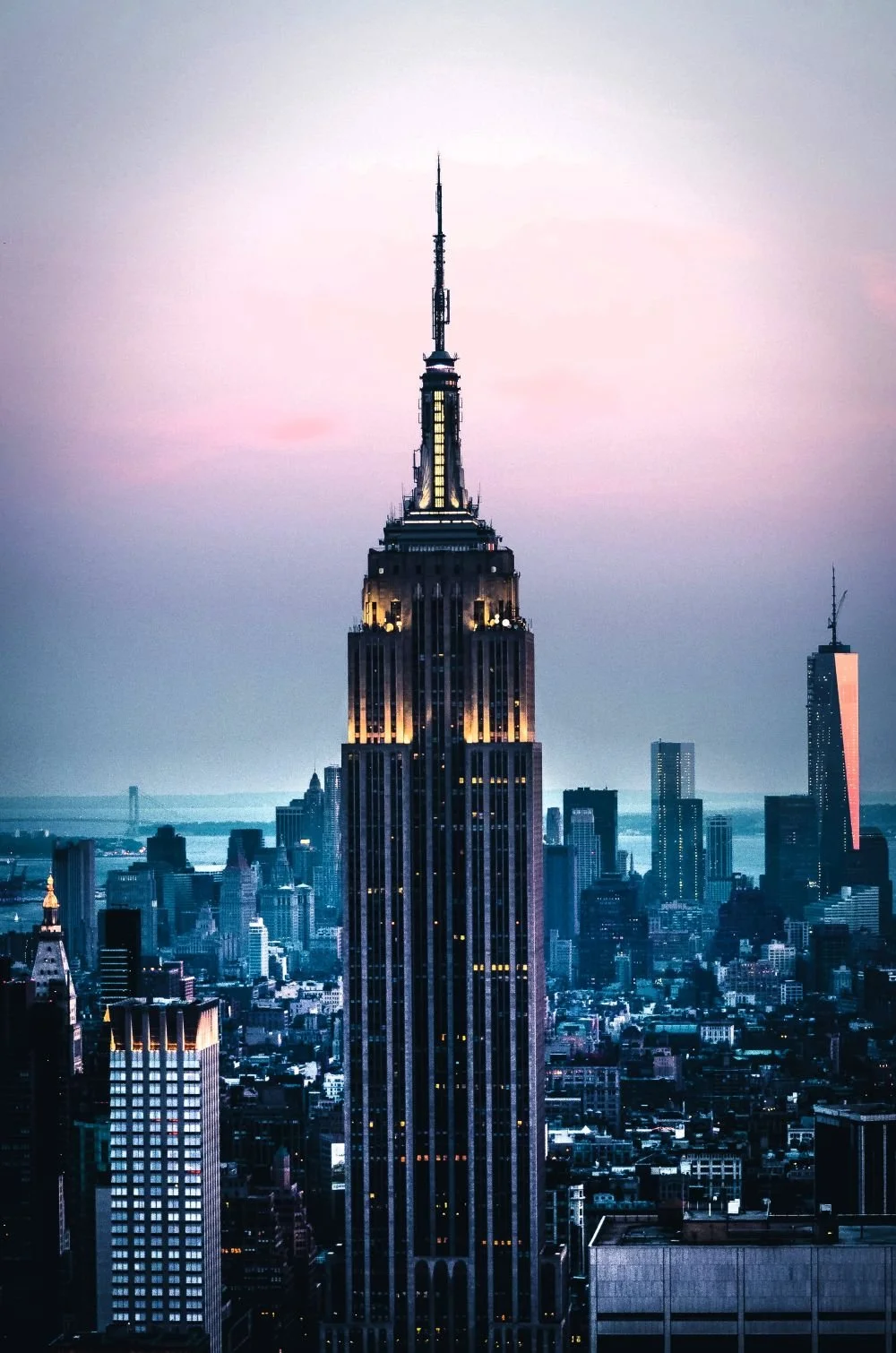
The Woolworth Building reached 792 feet in 1913. By the late 1920s, the Chrysler Building and 40 Wall Street were competing for the title of world’s tallest. Chrysler architect William Van Alen famously concealed a steel spire inside the upper floors before raising it into place, taking the building to 1,046 feet. Its reign was brief. The Empire State Building opened in 1931 at 1,250 feet. The upward push continued after World War II, and when the original World Trade Center’s North Tower was completed in the early 1970s, its roof reached 1,368 feet.
In less than a century, the skyscraper had gone from an experiment to one of the defining forms of the modern city.
A New Kind of Skyline
By then, the skyscraper no longer belonged to Chicago and New York.
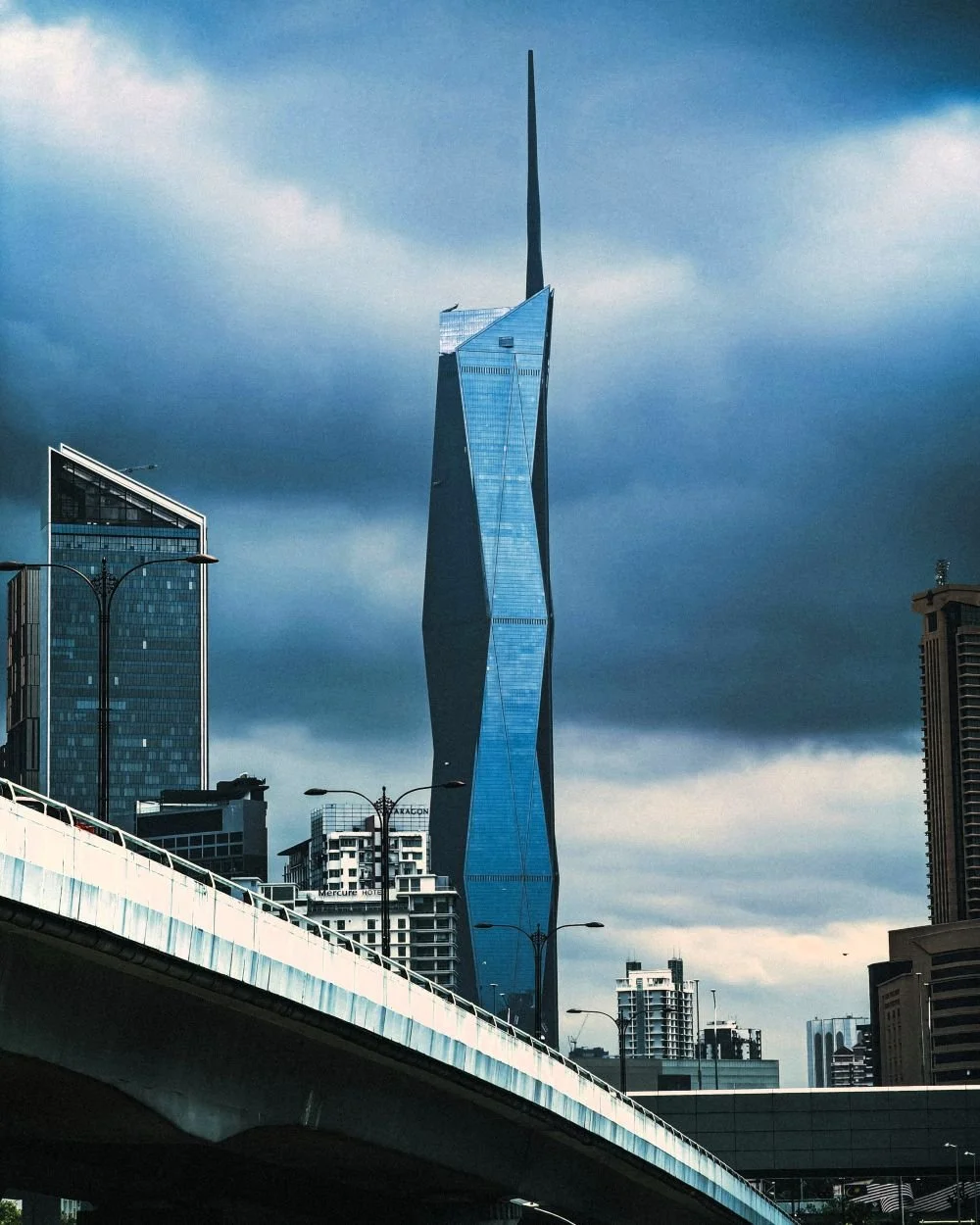
Cities around the world began pushing the form in new directions. Taipei 101 reached 1,667 feet in 2004 and showed how advanced engineering could respond to the challenges of earthquakes and typhoons. Shanghai Tower rose to 2,073 feet in 2015, its twisting form helping reduce wind loads while signaling China’s arrival in the supertall era. Merdeka 118, completed in Kuala Lumpur in 2023, climbed even higher to 2,227 feet, becoming the second-tallest building in the world.
Half a Mile Into the Sky
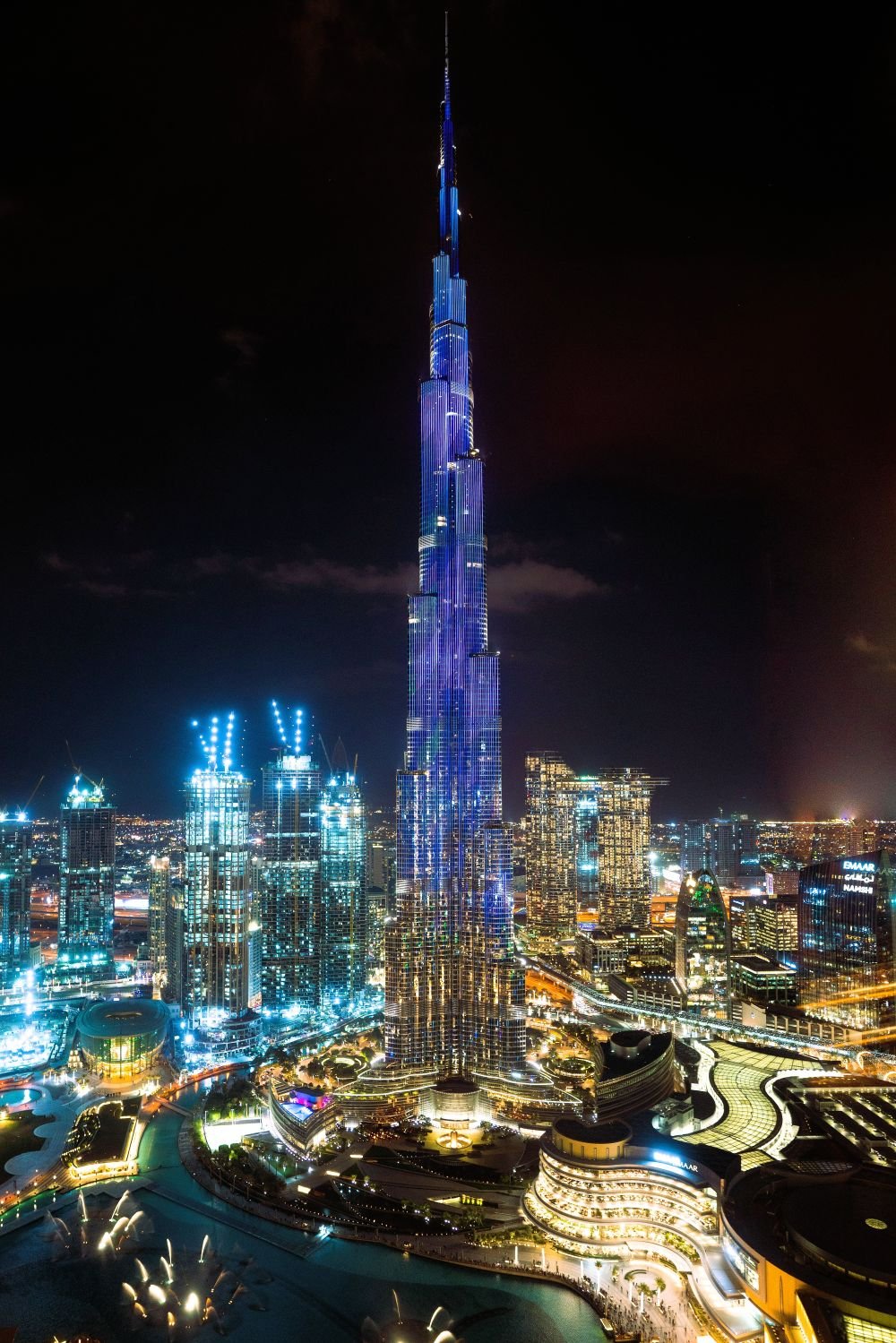
The Burj Khalifa rises 2,717 feet above Dubai. It remains the tallest of them all, more than twice the height of the Empire State Building and dramatically taller than the earliest skyscrapers that helped begin the story. Remarkably, it was not always supposed to be that tall. An earlier design was already ambitious, but as the project evolved, the tower kept growing. The goal was not merely to surpass an existing record, but to create something so far beyond it that the world would have no choice but to notice.
Building at that scale required solutions the earliest skyscraper designers could scarcely have imagined. The Burj Khalifa has three wings arranged around a central core, and the building repeatedly steps inward as it rises. Those setbacks create its distinctive silhouette while also helping disrupt the wind forces acting on the tower.
The building also helps explain Dubai itself. Oil helped fuel Dubai’s early growth, but the emirate never had the enormous reserves of neighboring Abu Dhabi. Its rulers instead pushed aggressively into trade, aviation, tourism, finance, and real estate, using major infrastructure and headline-making development to attract people and investment from around the world. That strategy helped turn Dubai from a regional commercial hub into a global destination. Airports, resorts, shopping, entertainment, and ambitious architecture all became part of the appeal, with the skyline itself serving as an advertisement for the city’s scale and confidence.
The Burj Khalifa was the ultimate expression of that ambition. Its height was never simply about breaking a record. Dubai was building an economy around the idea that people and capital could be persuaded to come there, and creating places the world could not ignore became part of the strategy.
Nothing was harder to ignore than a building more than half a mile high.
Looking Up
It is easy to take skyscrapers for granted. They have become such familiar parts of modern cities that travelers rarely stop to consider either the extraordinary engineering behind them or the remarkable amount of trust involved in stepping inside one and being carried hundreds of feet into the air.
And yet their scale can still be startling. Stand at the base of one and look straight up, and the building seems to disappear into the sky. In Chicago, New York, Shanghai, Kuala Lumpur, Dubai, and other great vertical cities, skyscrapers do more than shape the skyline. They become part of the experience of being there: the canyon-like streets, the reflections in glass, the views from rivers and observation decks, and the instinct to tilt your head back and wonder how anyone built something so high.
That may be why skyscrapers still have the power to stop people on a sidewalk and make them look upward.
Reading the Skyscraper
For those interested in the stories, engineering, and ambition behind these remarkable buildings:
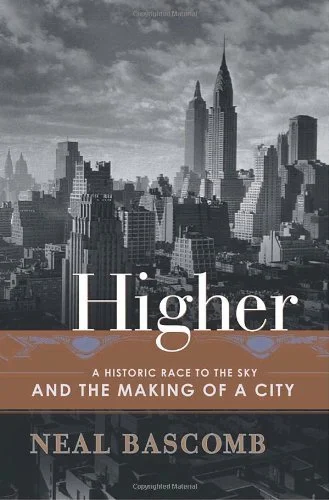
Higher by Neal Bascomb — the dramatic race to build the world’s tallest skyscraper.
Skyscrapers by Judith Dupré — an illustrated survey of landmark towers and their stories.
The Heights by Kate Ascher — a visual look inside how skyscrapers are built and how they work.
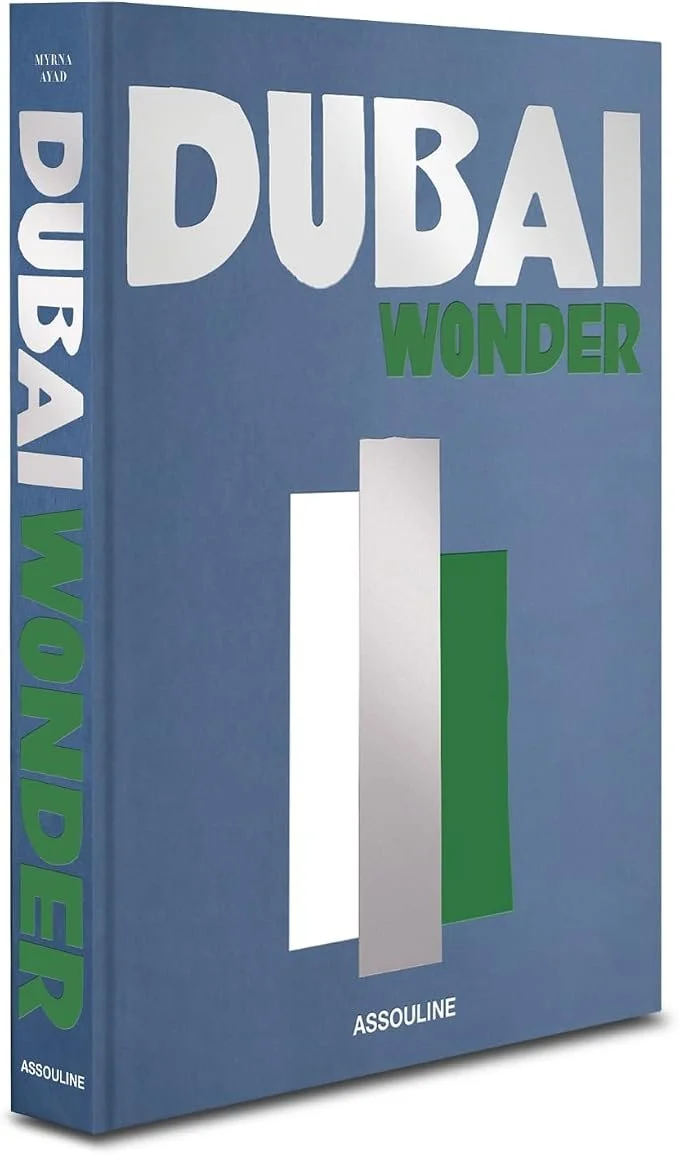
Dubai Wonder by Myrna Ayad — a beautifully visual portrait of Dubai and the scale, design, and ambition that define the modern city.
Travelreads is proud to partner with Bookshop.org, where you’ll find many of the books featured here while helping support independent bookstores.