
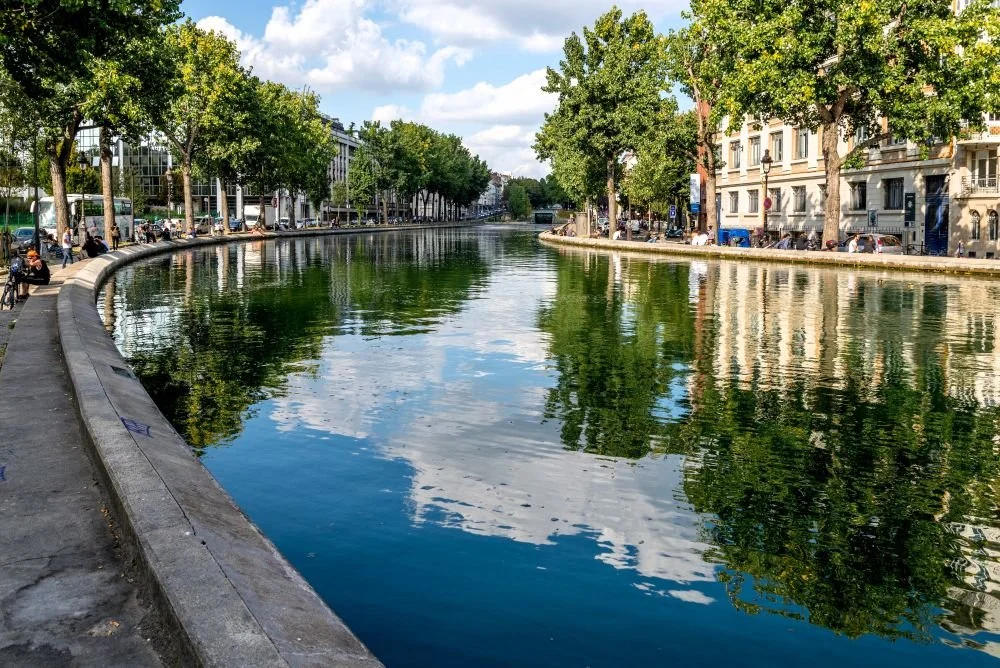
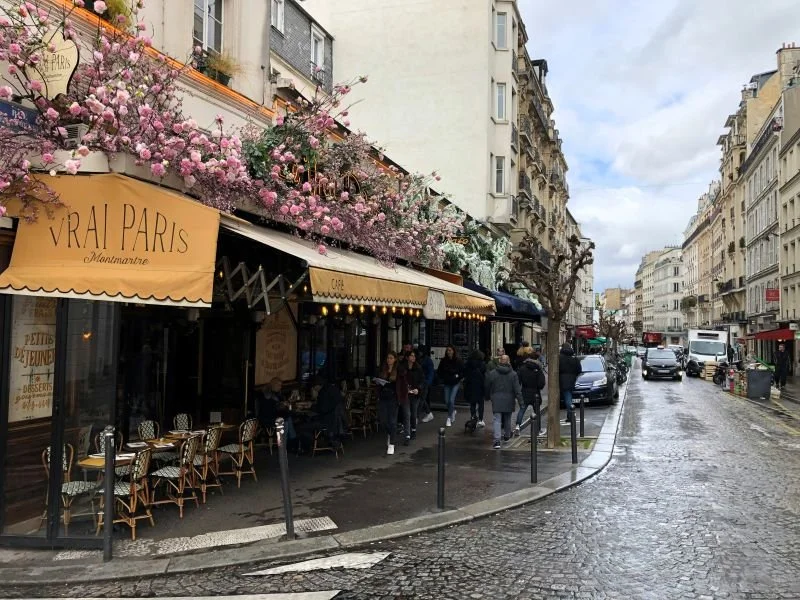
Paris is often approached as a collection of essential sights: the Eiffel Tower, the Louvre, Notre-Dame, Montmartre, the gardens of the Left Bank. Yet the city often becomes most memorable in the spaces between them—in a quiet street discovered by accident, a café terrace that invites a longer pause, or a shop window that changes the direction of an afternoon.
Few cities are as closely associated with the pleasure of wandering. Paris gave rise to the figure of the flâneur: the curious observer who walks without urgency, paying attention to the life of the streets. To wander Paris in this way is not simply to move through the city. It is to notice its rhythms, rituals, contradictions, and small daily dramas.
The books on this Paris bookshelf each offer a different way of doing exactly that. Some follow writers through the cafés and streets of literary Paris. Others reveal what it is like to build a life there, adapt to its customs, or allow the city to lead you somewhere unexpected. Together, they show why Paris is a place best understood slowly.
The Art of the Flâneur
The idea of the flâneur is rooted in nineteenth-century Paris, but it still captures something essential about the city today. Paris rewards the traveler who is willing to leave room in the day: to follow a narrow street, cross a bridge simply because the light looks beautiful, or linger over coffee without deciding what comes next.
Its neighborhoods are compact enough to explore on foot but distinct enough to feel like separate worlds. A walk might pass from grand boulevards to covered passages, crowded markets, quiet residential streets, gardens, bookstores, and the banks of the Seine. The city continually offers reasons to slow down and look more closely.
The four books below approach Paris from different directions, but each understands that the city cannot be reduced to a checklist. Paris becomes vivid through movement, observation, memory, and the accumulation of small experiences.
A Moveable Feast: Paris Through Memory
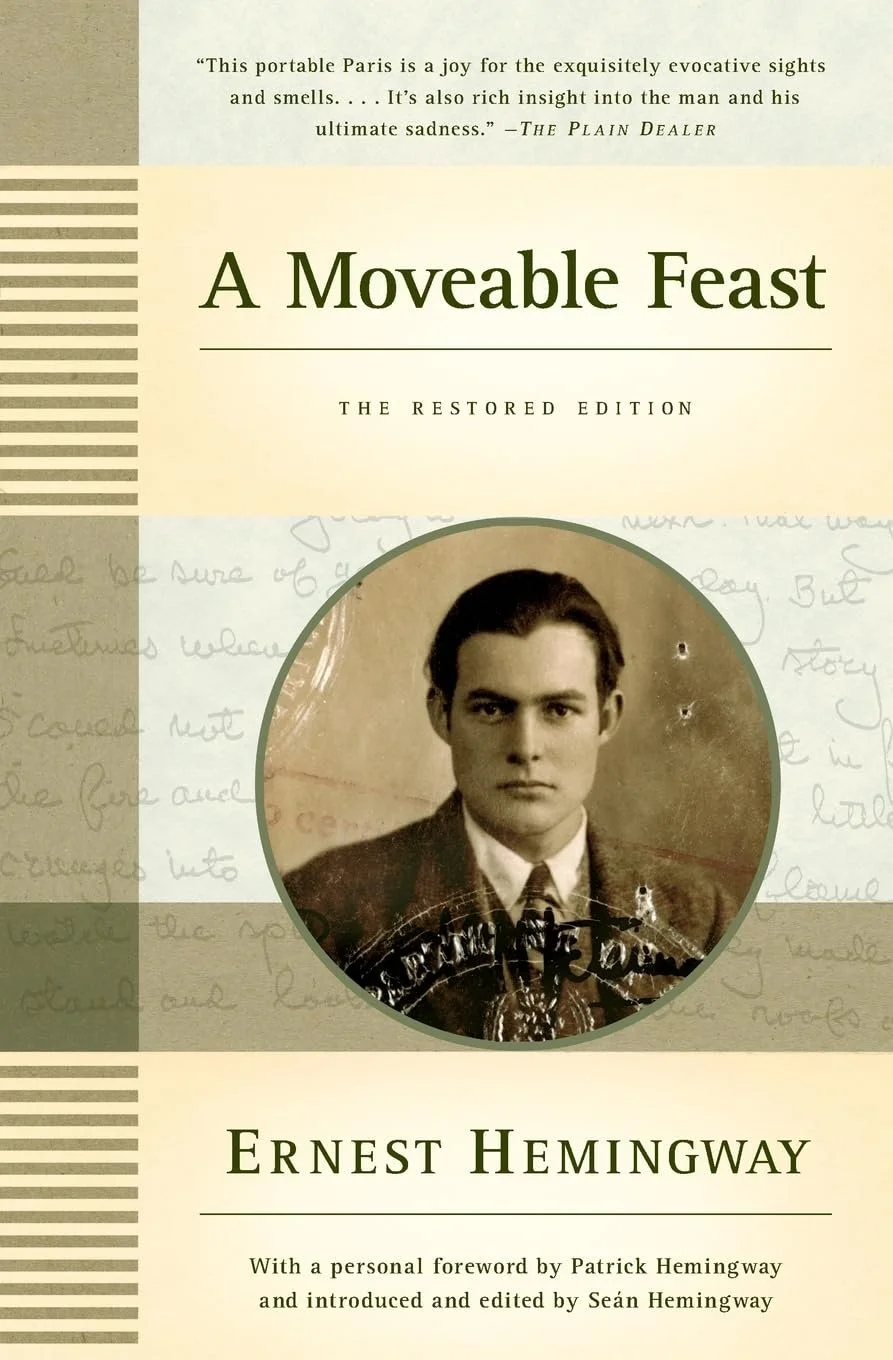
Ernest Hemingway’s A Moveable Feast remains one of the most enduring portraits of literary Paris. Written decades after the period it describes, the memoir looks back on Hemingway’s years as a young writer in the city during the 1920s.
Its Paris is built from daily routines: walking through cold streets, writing in cafés, visiting bookshops, sharing meals, and moving between modest apartments and the gathering places of the expatriate literary world. Famous figures appear throughout the book, but much of its appeal comes from the sense of an ordinary life being shaped by the city.
Hemingway’s Paris is also a remembered Paris, polished by nostalgia and distance. The city becomes both a real place and a personal mythology—a landscape of ambition, hunger, friendship, and creative possibility.
Reading A Moveable Feast before a trip can make familiar streets feel layered with literary history. Yet the book’s lasting power comes from something more intimate: its understanding that a city becomes meaningful through the routes we walk repeatedly and the memories we attach to them.
The Sweet Life in Paris: Learning to Live Like a Parisian
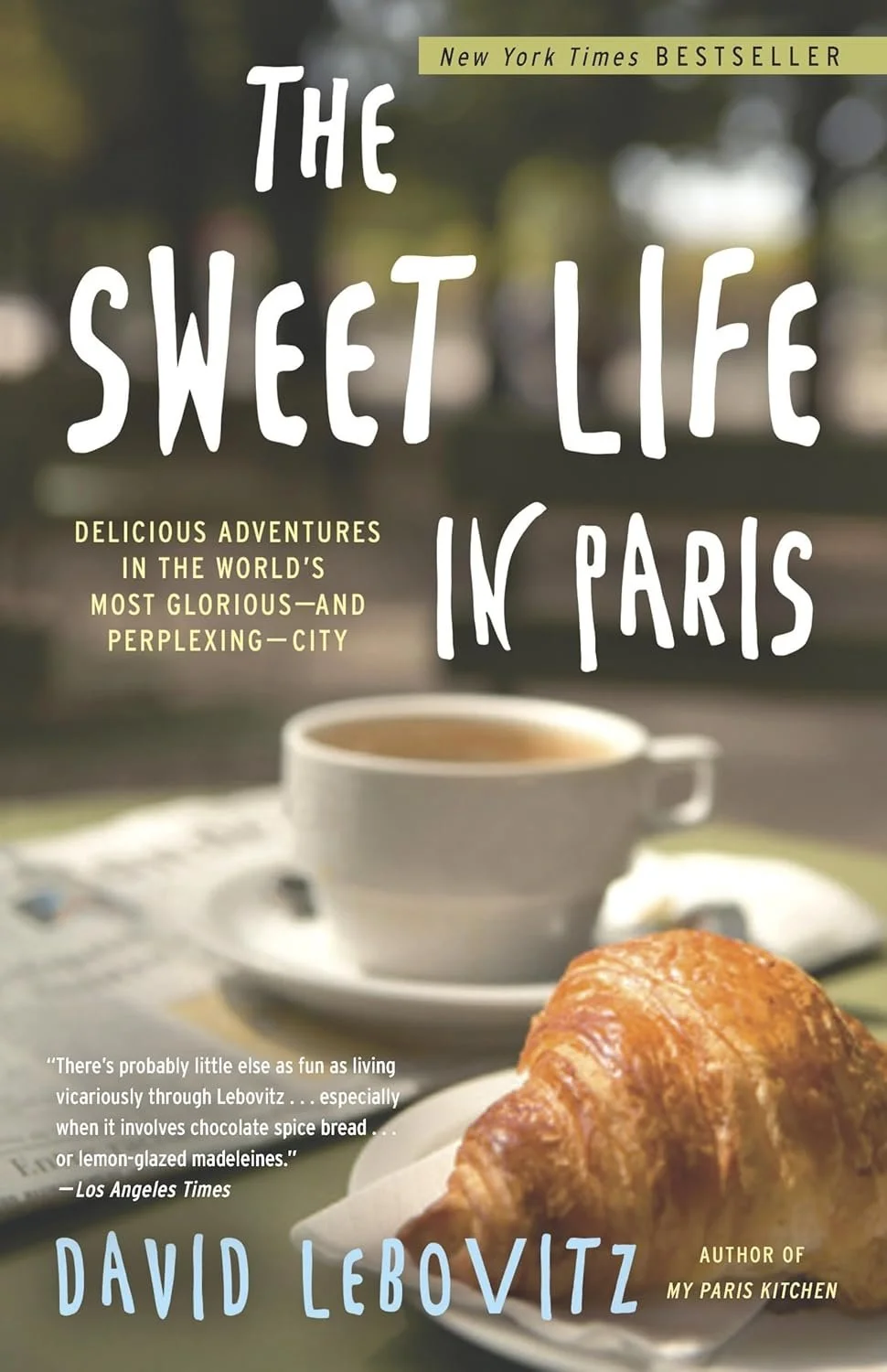
David Lebovitz offers a very different view of Paris in The Sweet Life in Paris. Rather than looking back on a romantic literary era, he writes about the comedy, confusion, and pleasure of adapting to everyday life in the modern city.
Lebovitz arrived in Paris with affection for French food and culture, but living there required him to learn a long list of unwritten rules. His encounters with neighbors, shopkeepers, tradespeople, markets, bakeries, and Parisian bureaucracy reveal a city that can be charming, maddening, generous, and stubborn—sometimes all within the same afternoon.
Food is central to the book, but it also serves as a way into Parisian life. Markets, cafés, chocolate shops, kitchens, and neighborhood businesses become places where customs are observed and relationships slowly formed. Recipes are woven throughout, adding another dimension to Lebovitz’s portrait of the city.
His Paris is not effortlessly romantic. It demands patience and attention. Yet that is part of its appeal. The Sweet Life in Paris suggests that understanding the city means observing how people actually live, accepting its peculiarities, and learning to appreciate pleasures that are often hidden inside ordinary routines.
The Paris Novel: Letting the City Lead the Story
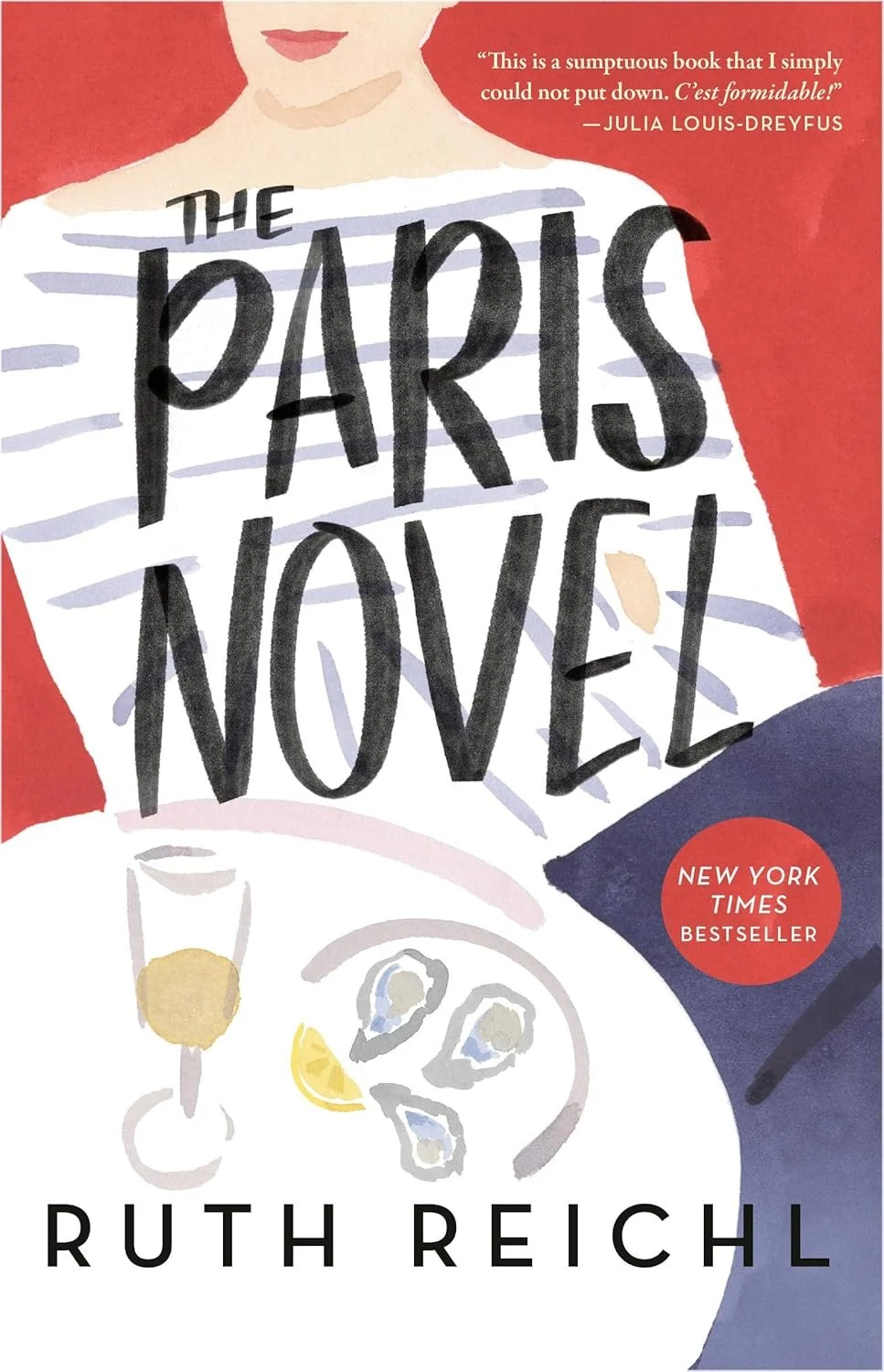
Ruth Reichl’s The Paris Novel captures the thrill of arriving in Paris and allowing curiosity to take over. The story follows Stella, a cautious woman whose life begins to open after an unexpected trip to the city.
As she moves through Paris, one discovery leads to another. Food, fashion, art, bookstores, historic places, and chance encounters gradually draw her beyond the boundaries of the life she has known. Paris is not merely the setting for the story. It is the force that moves the story forward.
The novel celebrates a version of travel that leaves room for surprise. Stella’s experience is shaped less by a carefully planned itinerary than by the willingness to enter an unfamiliar shop, accept an invitation, taste something new, or follow a clue into another part of the city.
This makes The Paris Novel an especially fitting book for the Paris bookshelf. It captures the possibility that wandering can be transformative. Sometimes a city reveals itself only after we stop trying to control the experience and allow one unexpected moment to lead to the next.
Paris to the Moon: Discovering What It Means to Belong
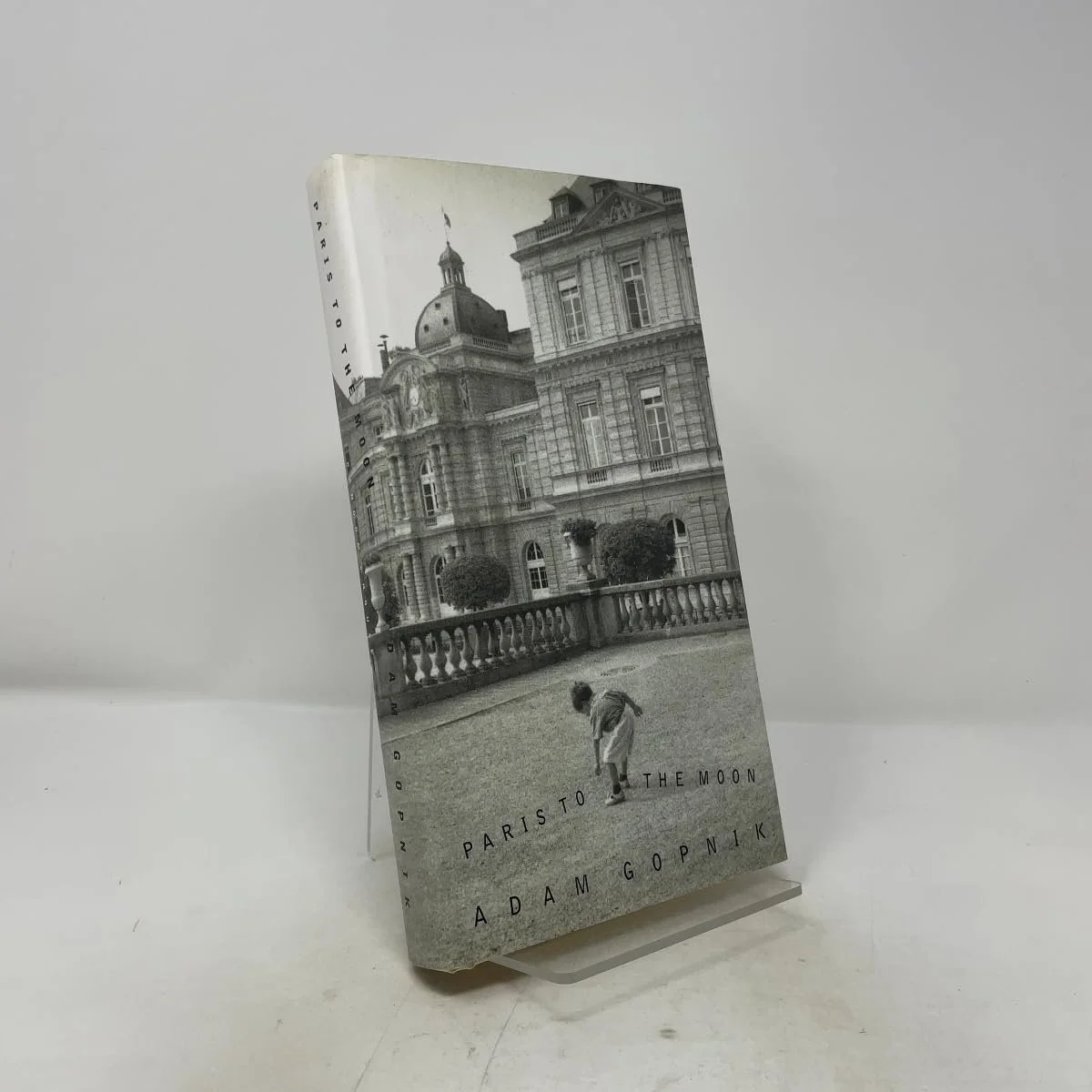
In Paris to the Moon, Adam Gopnik turns his attention to the experience of living in Paris with his wife and young son. His essays explore the city through family life, neighborhood routines, cultural differences, and the many small institutions that give Paris its distinctive character.
Gopnik is both affectionate and observant. He is drawn to the beauty and rituals of Paris but equally interested in its arguments, frustrations, formalities, and contradictions. A café, a gym, a playground, or a neighborhood restaurant can become the starting point for a wider reflection on French life.
The book moves beyond the romantic idea of visiting Paris and asks what it means to become part of the city, even temporarily. Belonging develops slowly through repetition: returning to the same places, recognizing familiar faces, and beginning to understand customs that once seemed mysterious.
Like the flâneur, Gopnik pays attention to details that might otherwise be overlooked. His Paris is revealed through observation rather than spectacle. The result is a portrait of a city that feels lived in—complex, imperfect, and deeply loved.
Reading Paris
These four books reveal different Parises: literary and remembered, humorous and domestic, romantic and serendipitous, intimate and observed. Together, they suggest that Paris is not a city to hurry through. It is a place to walk, pause, notice, and occasionally become lost in. Explore the four books below, with each cover linking to our store at Bookshop.org, where your purchase helps support independent bookstores.
This is just one of the many traditions and stories that reveal the character of French life. Continue exploring France through the books, places, and travel inspiration featured on our France destination page.