The Open Road and The Open Book
There is a particular kind of restlessness that belongs equally to the traveler and the reader. It is the feeling that the world is larger than the one you currently occupy, and that somewhere, just beyond the next page or the next horizon, something worth knowing is waiting.
Travel and reading are so often treated as opposites: one active, one passive; one expensive and logistically complicated, the other something you can do on a Tuesday evening in a chair. But they are, at their core, the same impulse — both are acts of deliberate attention, and both require you to leave something behind.
On Exploration and the Unknown
A traveler arriving in an unfamiliar city and a reader opening a new book share something important: neither knows exactly what they are walking into. The map is incomplete. That is the point. Exploration, in both cases, is not about efficiency. It is about willingness — the willingness to be surprised, to follow a side street that was not in the itinerary, to linger on a paragraph that opens into something unexpected.
The best travel literature understands this instinctively. It does not deliver a destination so much as reproduce the experience of genuine discovery, confusion and wrong turns included. The moments of unexplained recognition are part of the gift.
On Presence and Patience
Both reading and travel reward patience in ways that almost nothing else does anymore. A book cannot be rushed without loss. A place cannot be truly seen from a moving window. The quality of attention that slow travel demands is the same quality that difficult, rewarding writing demands: a willingness to stay with something long enough for it to reveal itself.
In an era organized around speed, both the traveler and the reader practice a small, quiet resistance. They agree to be somewhere for a while. And that agreement, it turns out, changes everything.
On Learning to See
Travel changes what you notice when you come home. Reading changes what you notice everywhere. A book about the history of a city you have walked through reorders your memory of it. A journey to a place you have only read about makes the sentences feel suddenly three-dimensional. The two forms of knowledge complete each other in ways neither can achieve alone.
The traveler who reads arrives with context. The reader who travels arrives with questions. Both come away changed — though rarely in ways they could have anticipated or planned. That, too, is part of the joy.
Six Books for the Road
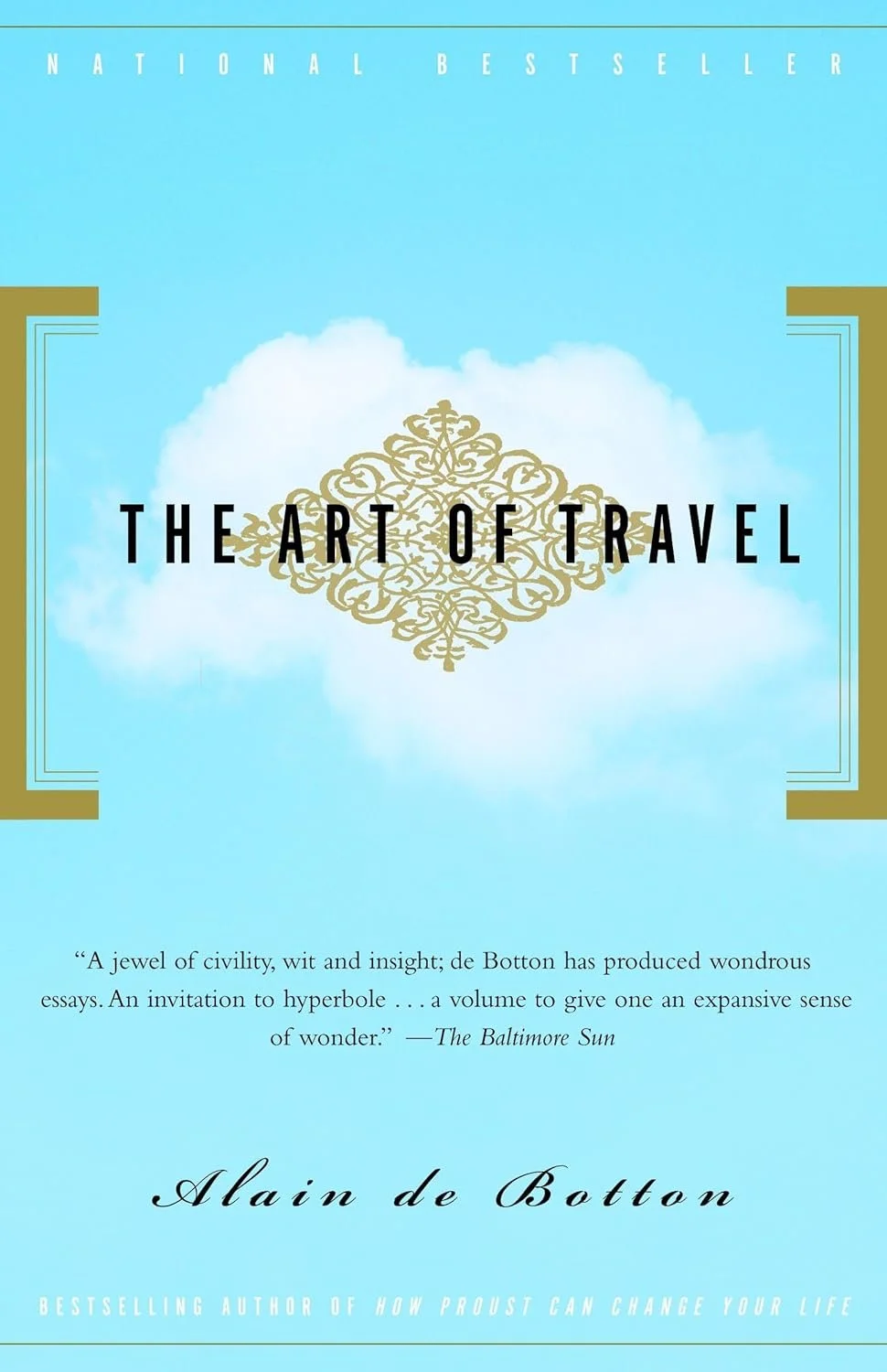
The Art of Travel by Alain de Botton. A philosopher's meditation on why we travel and whether we get from it what we think we will. De Botton pairs observations on anticipation, beauty, and the gap between expectation and experience with reflections on writers and artists who found their own answers in motion. It is a book that makes the familiar strange again, which is exactly what good travel is supposed to do.
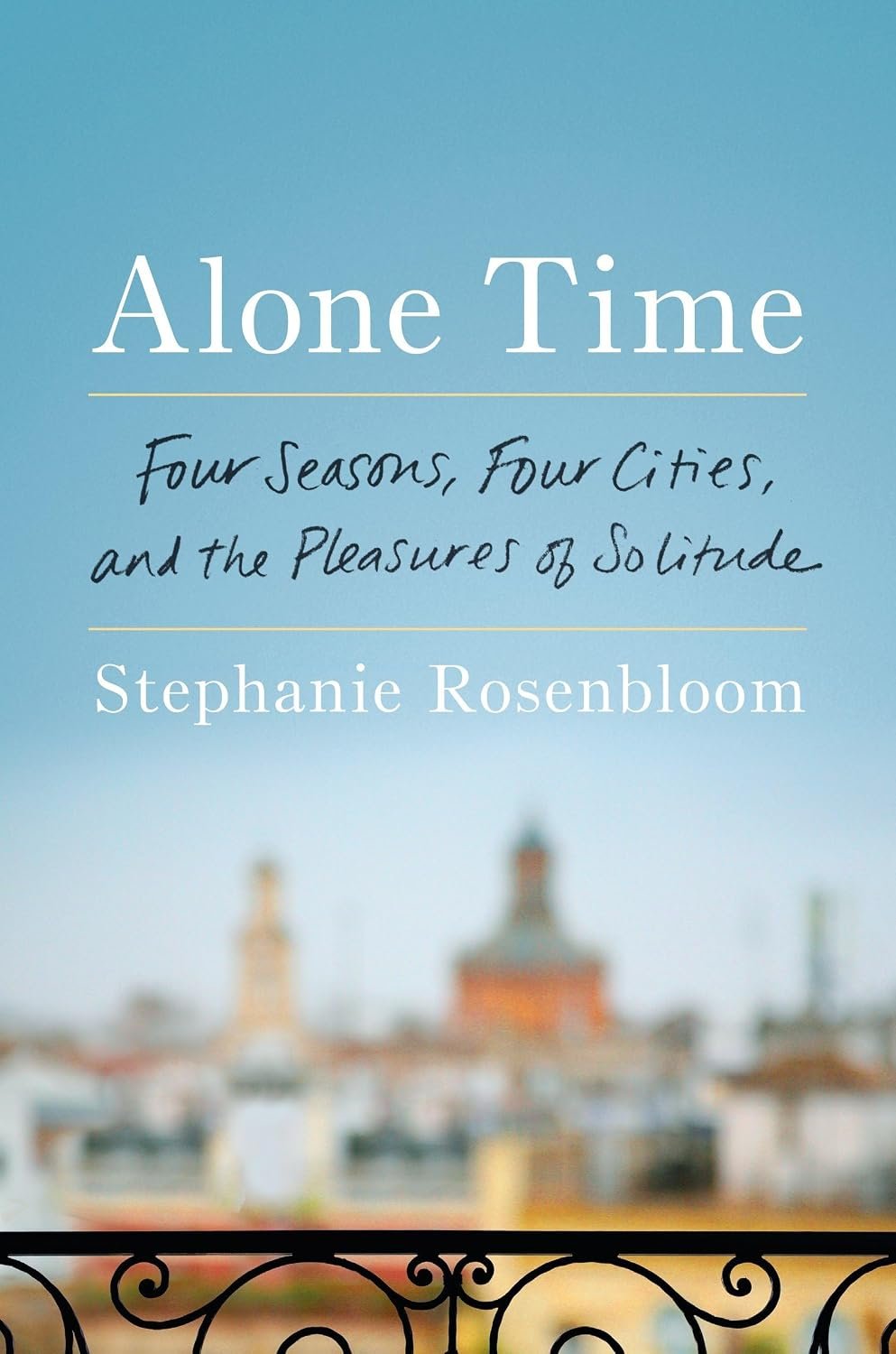
Alone Time: Four Seasons, Four Cities, and the Pleasures of Solitude by Stephanie Rosenbloom. A New York Times travel columnist spends a year visiting Paris, Istanbul, Florence, and New York on her own terms — slowly, without an agenda, looking for what solo travel makes possible that group travel does not. Rosenbloom considers how being alone as a traveler deepens appreciation for everyday beauty, bringing into sharp relief the sights, sounds, and smells that company can sometimes crowd out. It is a book about presence as practice, and it makes a compelling case for the table for one.
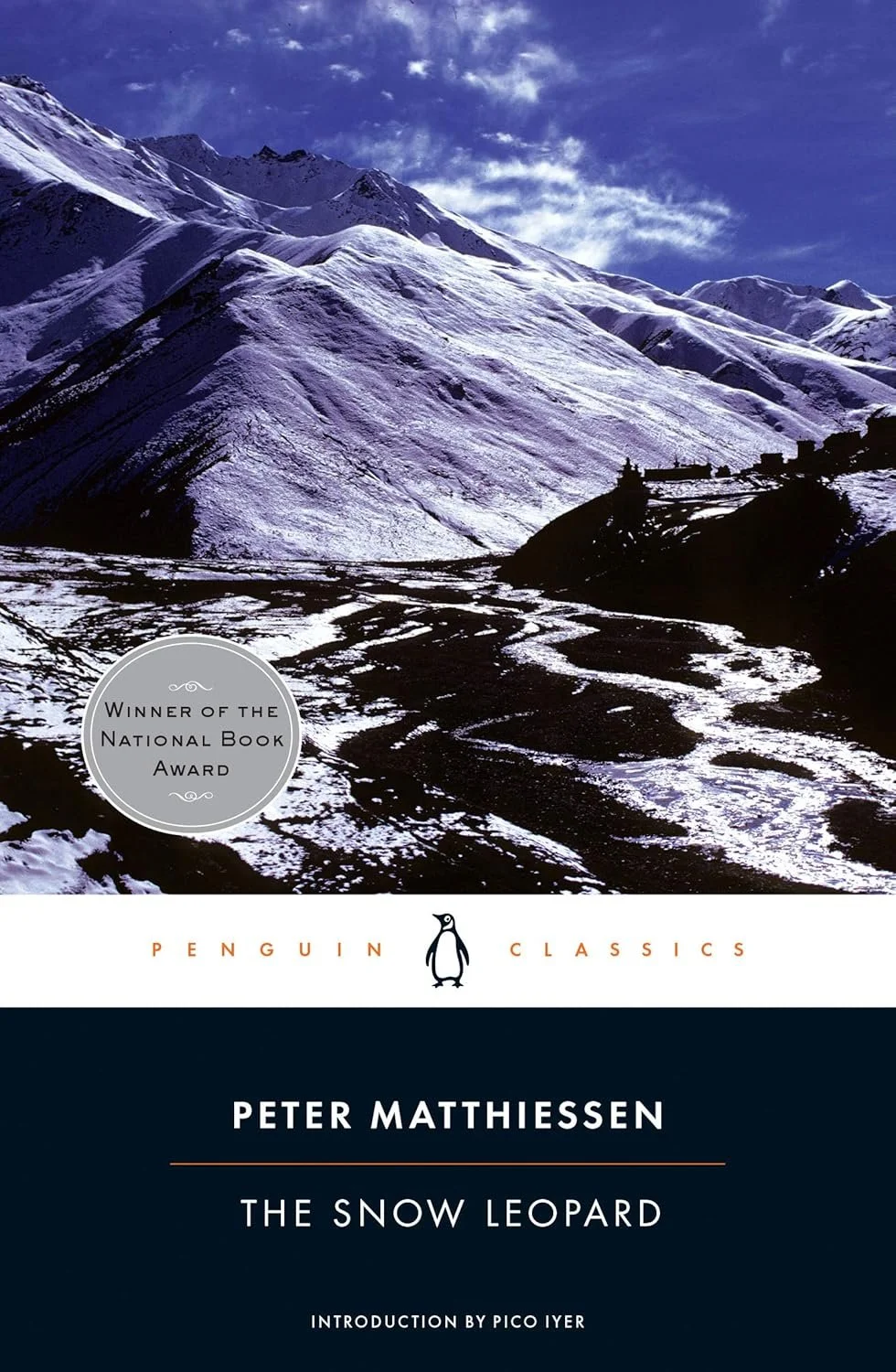
The Snow Leopard by Peter Matthiessen. A trek through the Himalayas in search of a rarely seen animal becomes an interior journey of equal difficulty. Matthiessen brings Zen Buddhism, grief, and natural history together in one of the great American travel books — a sustained meditation on what it means to be fully present in some of the world's most demanding terrain. Few books ask more of a reader, and fewer still give back more in return.
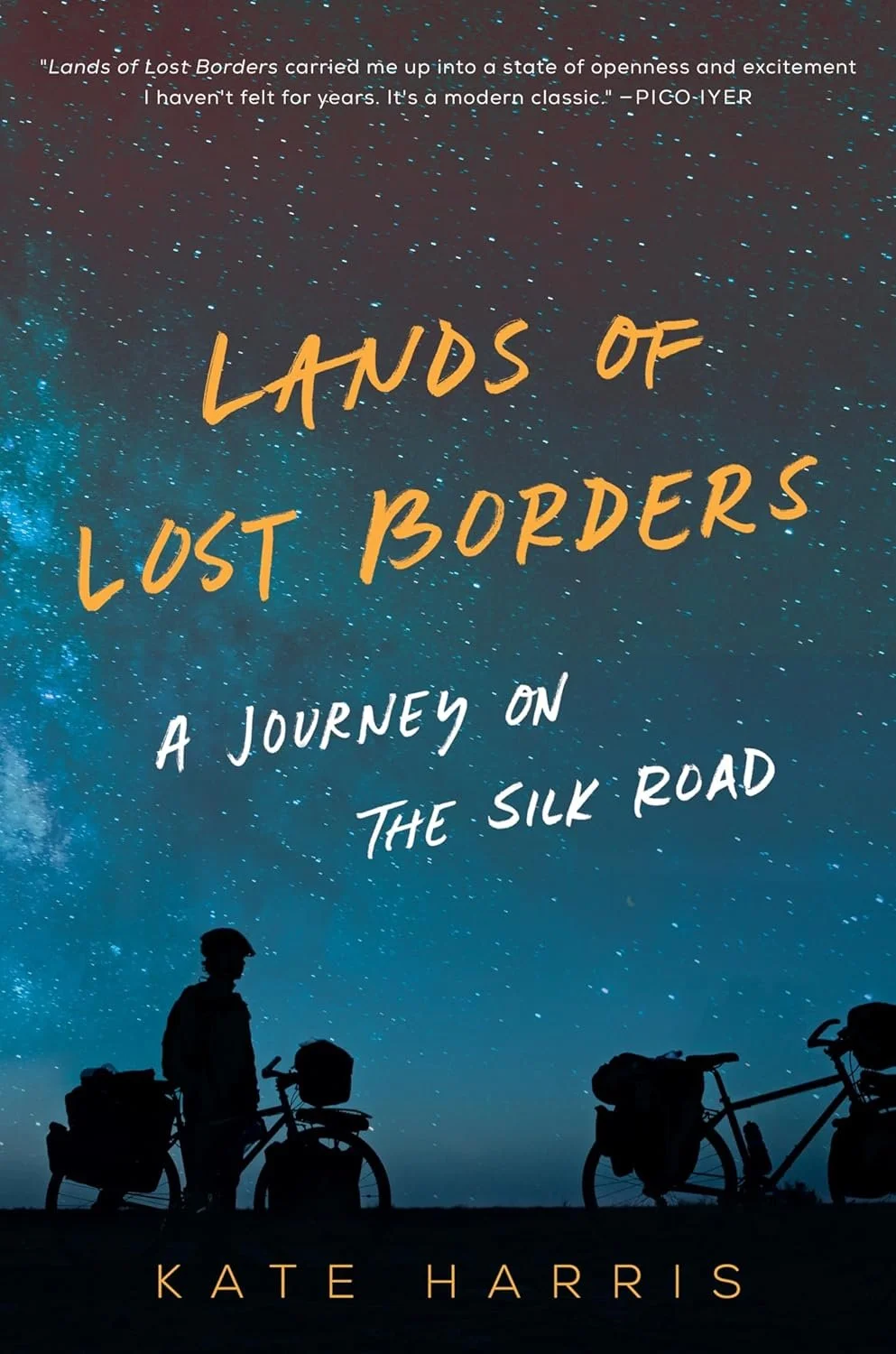
Lands of Lost Borders: A Journey on the Silk Road by Kate Harris. A former Rhodes Scholar and aspiring astronaut, Harris cycles the ancient Silk Road from Istanbul to the Himalayas with her childhood friend over the course of nearly a year, pedaling through the remote reaches of Central Asia, Tibet, and Nepal. Her retelling is a travelogue infused with science, history, and literature, and the questions she asks along the way — about borders, exploration, and what it means to refuse to live within the lines — give the adventure a philosophical depth that lingers long after the journey ends. Winner of the Banff Mountain Book Award and one of the finest debut travel memoirs in recent memory.
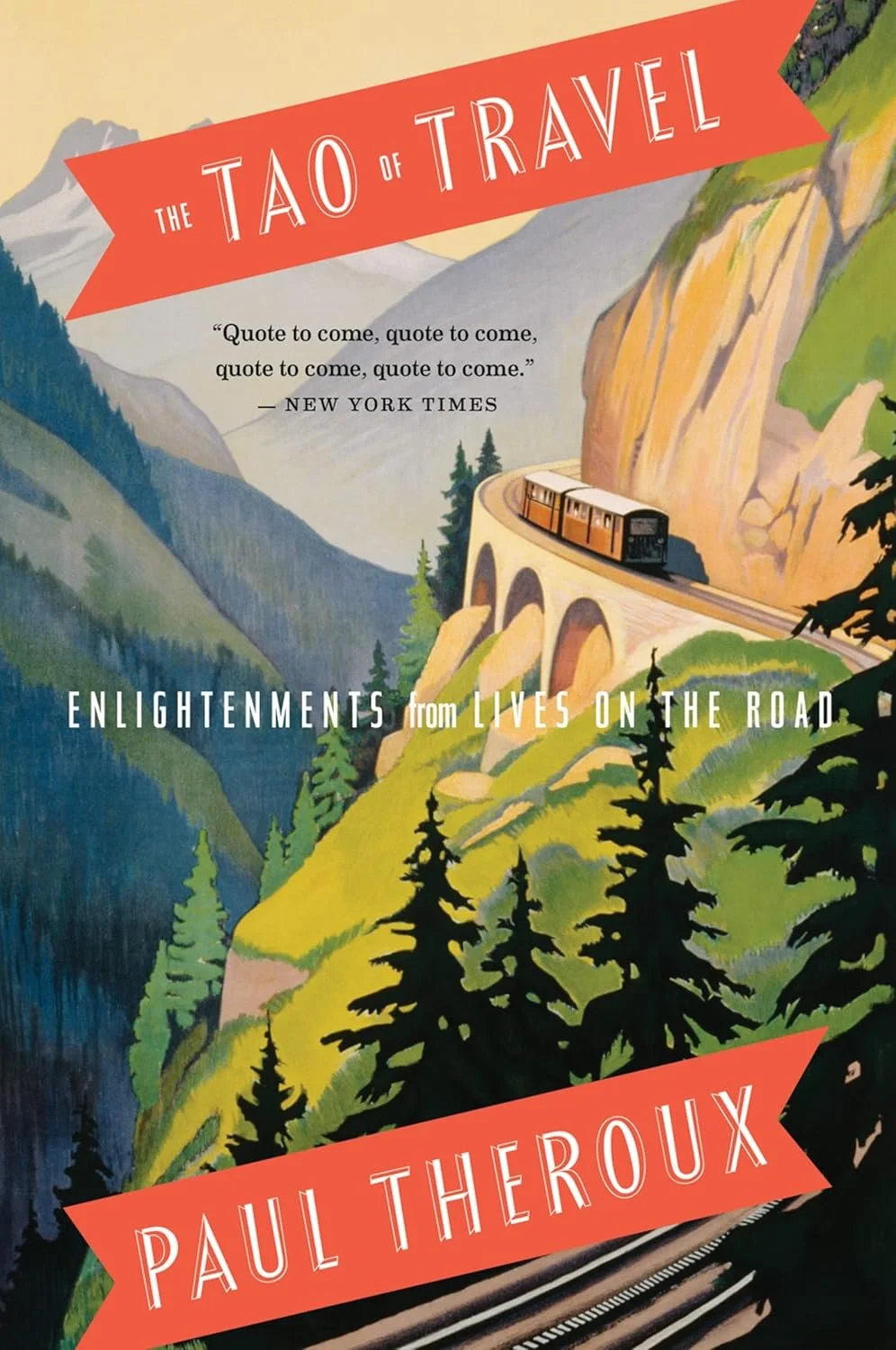
The Tao of Travel by Paul Theroux. Less a memoir than a magnificent commonplace book, this is Theroux's wide-ranging anthology of travel wisdom drawn from writers across centuries — from Thoreau and Twain to Chatwin and Naipaul. Theroux organizes their voices around the great themes of the road: solitude, strangeness, the transformative power of departure, the impossibility of going home unchanged. For anyone who loves both travel and literature, it reads like a feast.
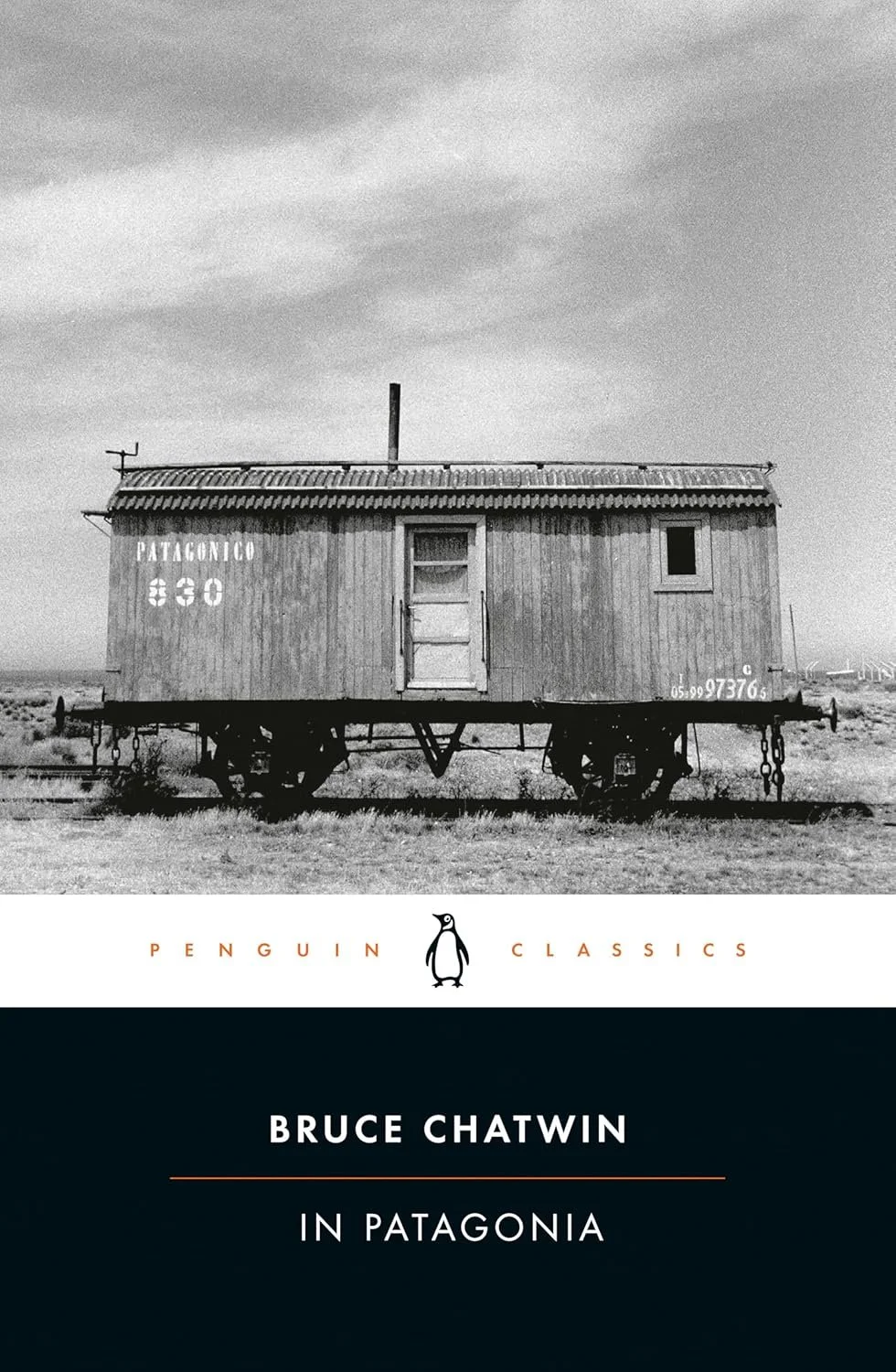
In Patagonia by Bruce Chatwin. Short, dense, and joyfully unclassifiable, this is a book about a journey to the end of the world that is also a meditation on curiosity itself. Chatwin's method is to follow one question until it opens into ten more — which is a fair description of what both travel and reading, at their best, do to a person. It remains one of the most influential travel books ever written, and it is still as alive and strange as the day it was published.