New Orleans: A City That Feels Like a Novel
Some cities reveal themselves gradually. New Orleans begins telling stories almost as soon as someone arrives.
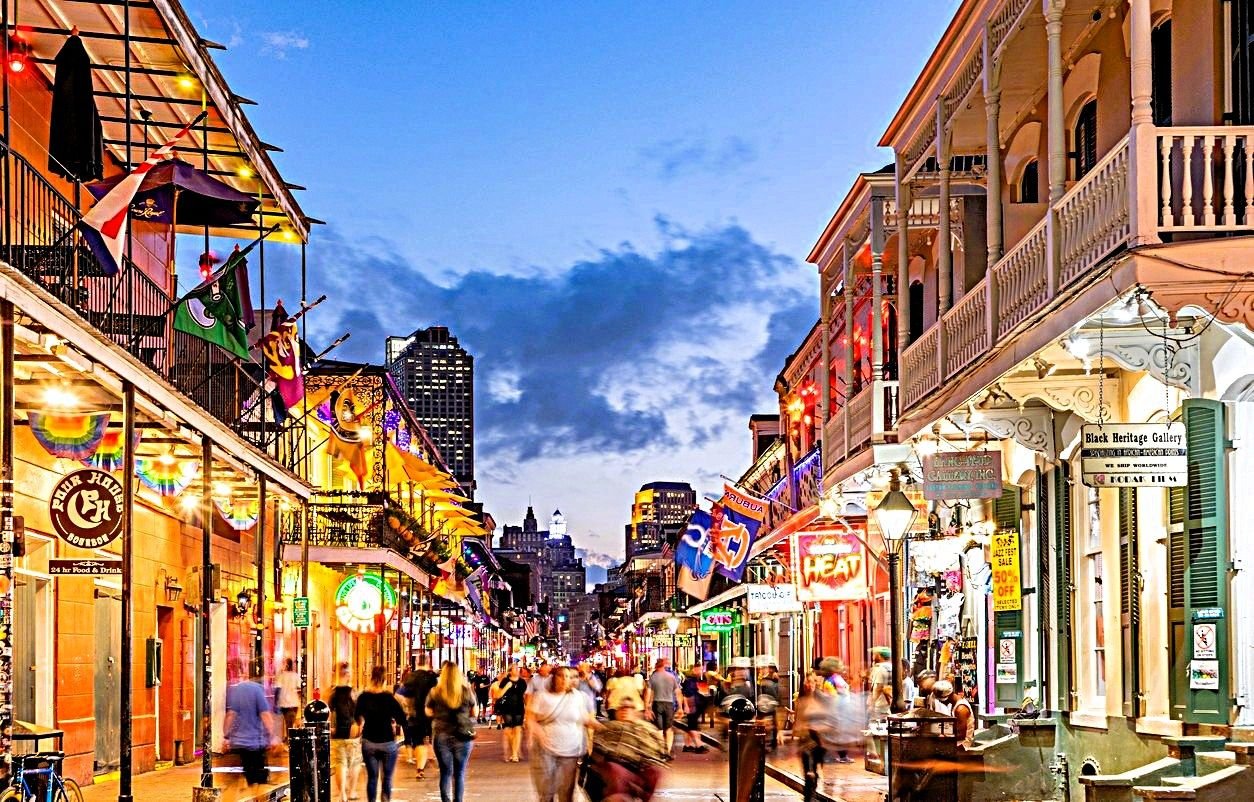
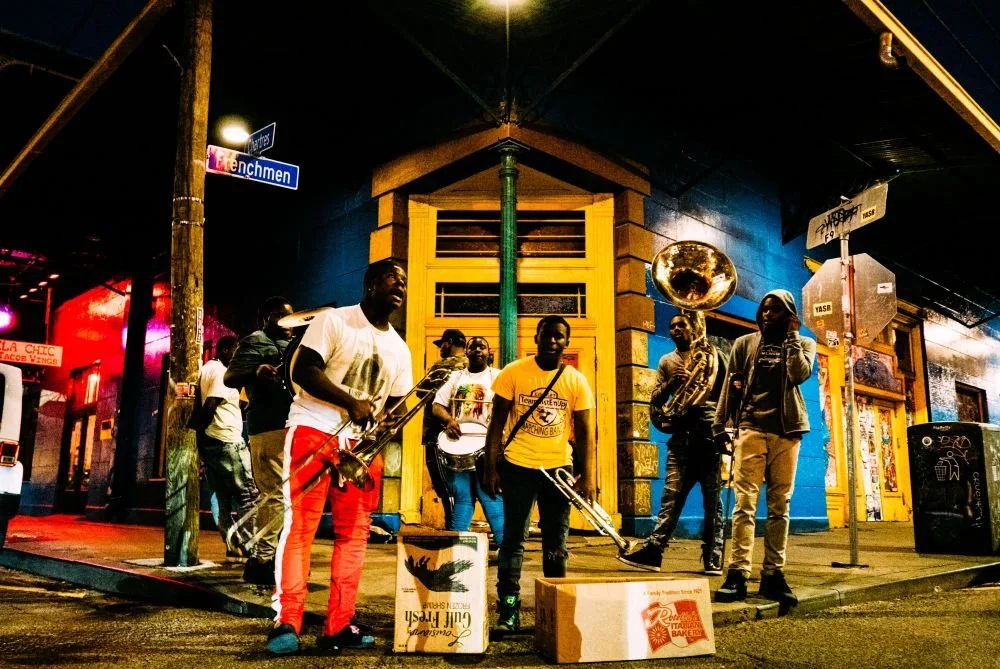
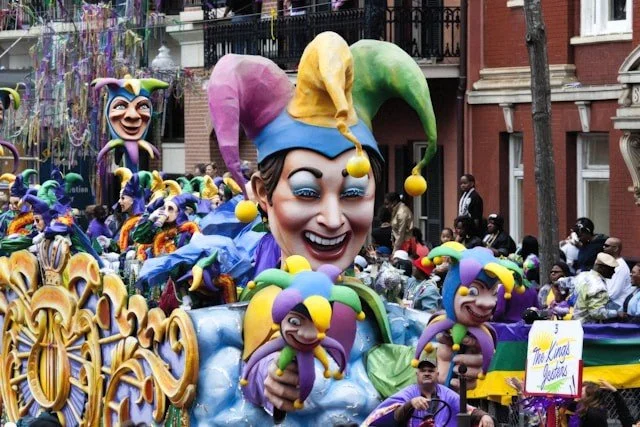
A streetcar rattles beneath a canopy of live oaks. Music drifts through an open doorway. A wedding procession becomes a street parade. In the French Quarter, narrow buildings lean toward one another as if exchanging secrets, while beyond the familiar landmarks are neighborhoods shaped by generations of families, musicians, cooks, artists, and storytellers.
New Orleans does not feel like a carefully preserved piece of the past. It feels alive, theatrical, complicated, and slightly unpredictable. Beauty and decay occupy the same block. Celebration exists alongside mourning. History is never far away, but neither is reinvention. Perhaps that is why New Orleans has inspired such extraordinary literature. The city already possesses the essential elements of a novel: unforgettable characters, dramatic settings, competing versions of the past, and the constant sense that another story is unfolding just out of sight.
For travelers who love books, reading New Orleans before visiting offers more than background. It provides a way into the city.
A City Built from Many Stories
New Orleans has never had a single, easily defined identity.
French and Spanish colonial histories overlap with African, Caribbean, Creole, Catholic, Southern, and distinctly American traditions. Languages, religions, foods, musical forms, and customs arrived from different parts of the world and developed into something that could exist only here. The results are visible everywhere. They appear in Creole cottages and iron balconies, in brass bands and second lines, in gumbo recipes passed through families, and in celebrations that blur the boundaries between performance, ritual, and everyday life.
This mixture also created a city of contradictions. New Orleans can be elegant and unruly, deeply traditional and endlessly inventive. Its beauty is inseparable from difficult histories of slavery, segregation, inequality, hurricanes, and displacement. The city invites romance, but it resists simple conclusions. Writers are naturally drawn to places that contain unresolved tensions, and New Orleans offers them on nearly every street.
The city does more than provide an atmospheric setting. It gives writers material: characters who refuse to conform, buildings that seem to remember their former occupants, neighborhoods with fiercely protected identities, and a culture in which storytelling remains part of public life.
The Writers Who Found New Orleans
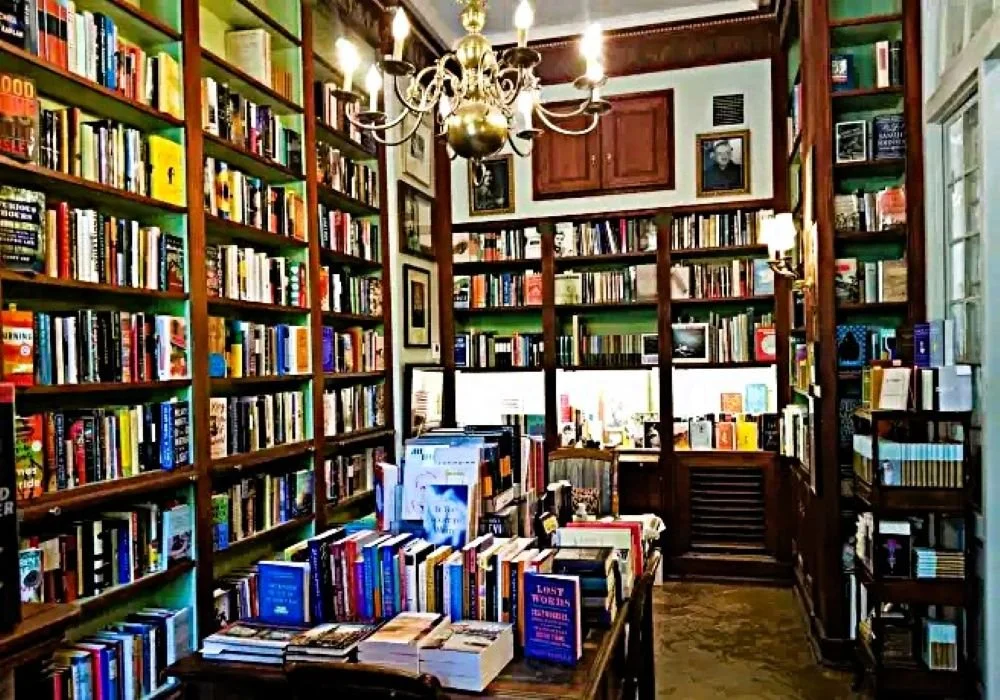
William Faulkner arrived in New Orleans in the 1920s, before he had become one of America’s most important novelists. He lived for a time in a townhouse on Pirate’s Alley, just beside Jackson Square, and worked on his first published novel while absorbing the city’s artistic and unconventional atmosphere. The building is now home to Faulkner House Books, allowing visitors to step directly into one small chapter of his early life. It is difficult to imagine a more fitting transformation: a room once occupied by a young writer becoming one of the city’s most distinctive literary bookshops.
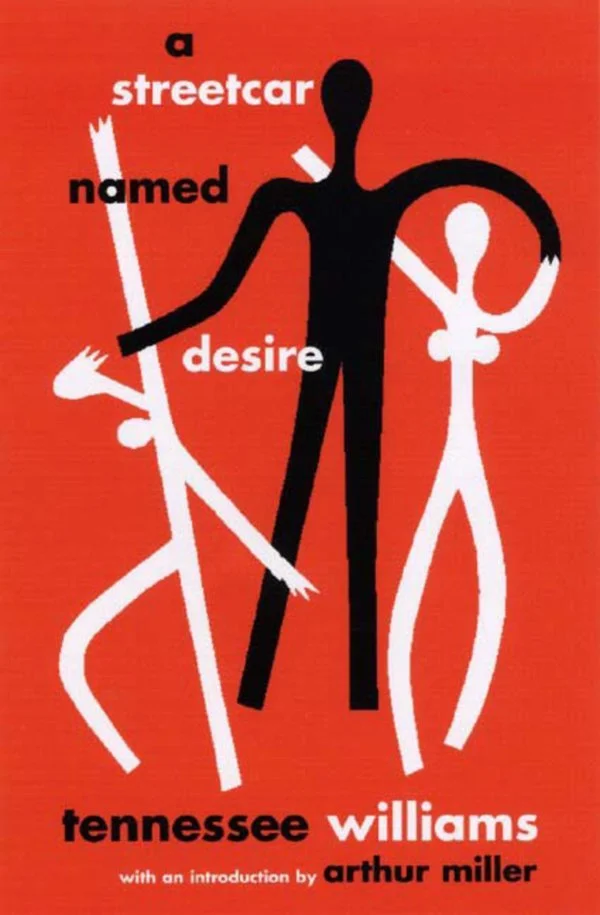
Faulkner’s stay was relatively brief, but Tennessee Williams formed a much deeper relationship with New Orleans. The city offered him freedom, artistic community, and an emotional intensity that would shape some of his greatest work. In A Streetcar Named Desire, Blanche DuBois arrives in New Orleans carrying trunks, furs, fading manners, and an idealized version of the Southern past. She takes the streetcar named Desire, transfers to one called Cemeteries, and enters the cramped Elysian Fields apartment shared by her sister Stella and Stanley Kowalski.
The setting is inseparable from what follows. The heat, music, passing streetcars, crowded rooms, poker games, street vendors, and voices from neighboring apartments make the city part of the drama rather than merely its backdrop. New Orleans presses in on the characters, leaving little room for privacy or illusion. Reading the play before visiting changes the experience of hearing a streetcar approach or walking through the older neighborhoods. The city begins to feel connected to Williams’s larger questions about desire, class, reinvention, performance, and the stories people tell to survive.
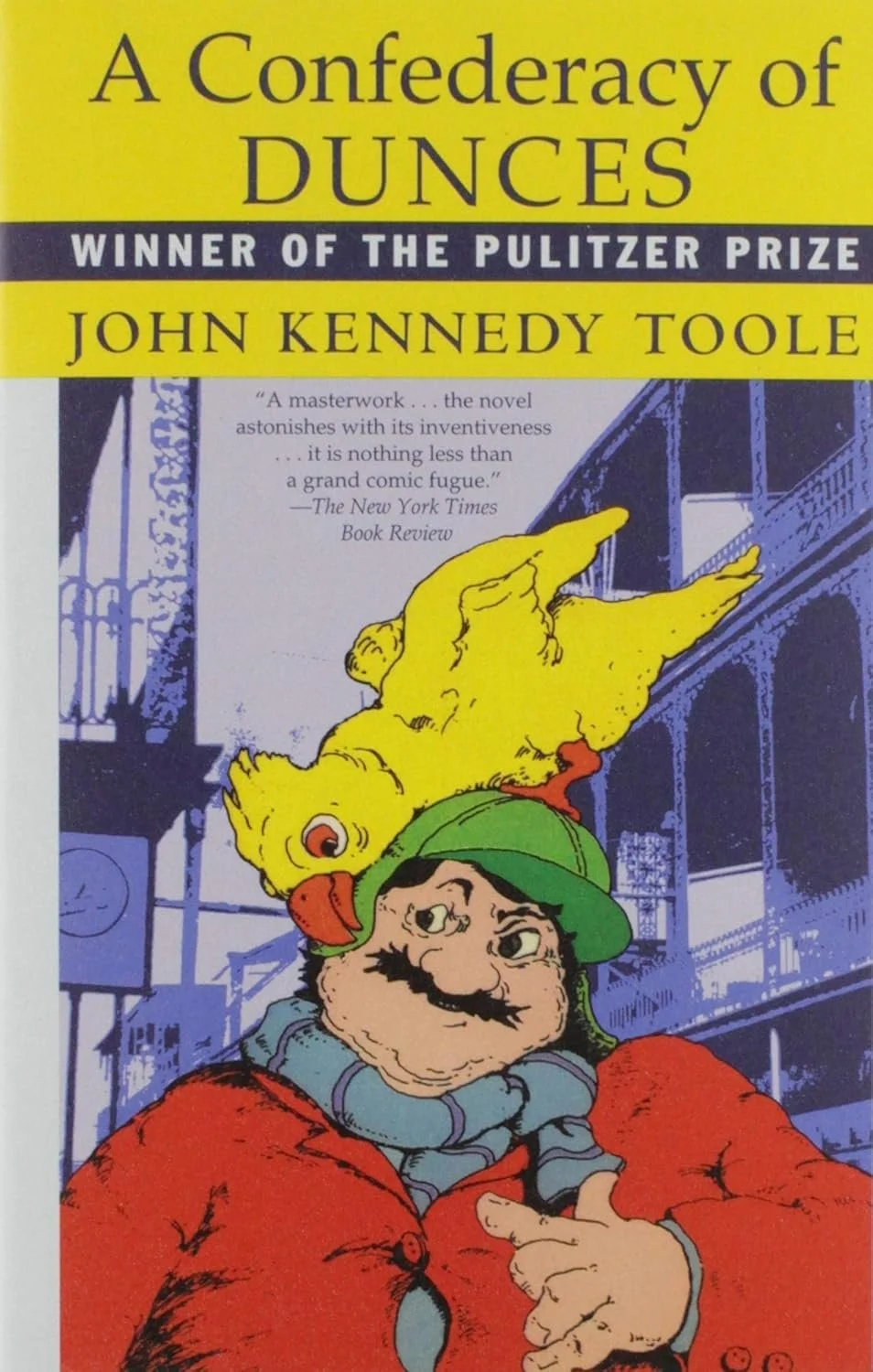
John Kennedy Toole found a very different New Orleans. In A Confederacy of Dunces, the city becomes a sprawling comedy populated by eccentrics, opportunists, misfits, and people determined to live according to their own peculiar logic. Its central character, Ignatius J. Reilly, is an overeducated, underemployed medievalist who lives with his mother and regards almost every aspect of modern society as an offense against theology and geometry. Forced to find work, he moves through the city selling hot dogs from a Paradise Vendors cart, disrupting the offices of Levy Pants, condemning popular culture, and filling Big Chief tablets with plans for social reform.
Around him is a distinctly New Orleans cast: his long-suffering mother Irene, the flamboyant Darlene, the suspicious patrolman Mancuso, the determined Myrna Minkoff, and Burma Jones, whose dark glasses and dry commentary expose absurdities Ignatius is too self-absorbed to recognize. The novel does not present New Orleans as beautiful in a conventional sense. It shows the city as unruly, imperfect, argumentative, and inhabited by people who can turn ordinary life into theater. Read before a trip, it makes New Orleans feel less like a collection of attractions and more like an enormous cast of personalities.
Anne Rice discovered yet another version of the city. Born in New Orleans, she transformed its old houses, enclosed courtyards, Catholic imagery, cemeteries, and nocturnal atmosphere into the landscape of Interview with the Vampire. The novel begins with Louis recounting his life to a young interviewer, including his transformation into a vampire by the magnetic and merciless Lestat. Their story moves through plantation Louisiana and into New Orleans, where they create a strange household with Claudia, a child vampire whose body never ages even as her mind matures.
Rice’s New Orleans is sensual, historical, and haunted. Candlelit rooms, elaborate furnishings, iron balconies, shuttered houses, and streets emptied by night become part of a world in which beauty and danger are almost impossible to separate. The city’s Catholic traditions and elaborate relationship with death give the novel’s supernatural questions a strangely natural home. After reading it, the shadows of the French Quarter appear a little deeper, the Garden District mansions a little more mysterious, and the city’s preoccupation with memory, mortality, and lives that refuse to disappear more significant.
Together, Williams, Toole, and Rice reveal why New Orleans can sustain so many different kinds of stories. It can become tragedy, comedy, family drama, or Gothic fantasy without ever ceasing to be recognizably itself.
Beyond the Familiar New Orleans
The literary map of New Orleans should not end with the French Quarter and Garden District.
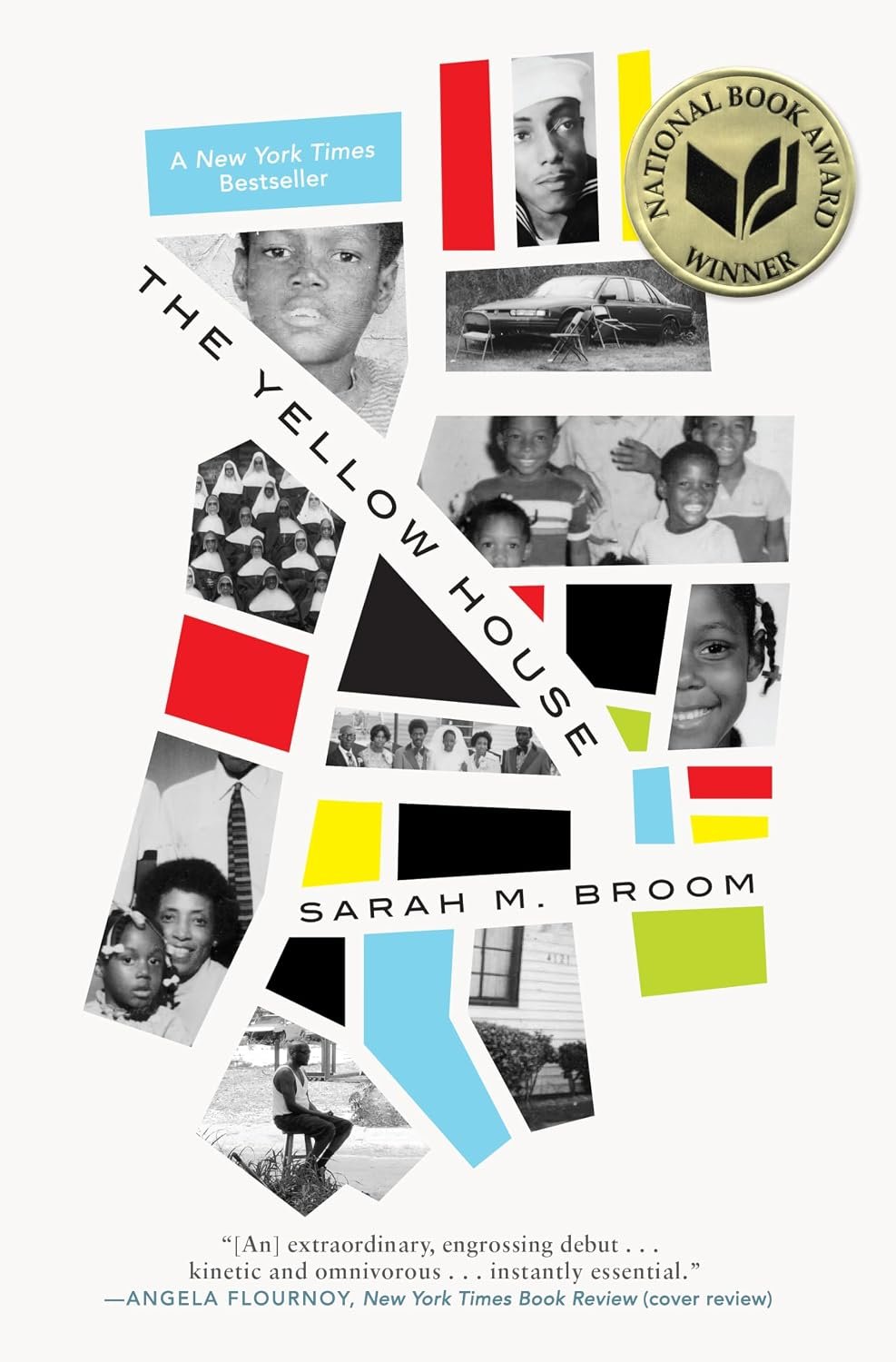
Sarah M. Broom’s The Yellow House tells the story of her family and the narrow, shotgun-style house her mother, Ivory Mae, purchased in New Orleans East in 1961. The house became the center of a large family’s life, even as it deteriorated and the surrounding neighborhood was neglected by the city.
Broom reconstructs that life through family memories, photographs, oral histories, reporting, and her own complicated relationship with home. She writes about siblings sharing rooms, additions built onto the original structure, the industrial landscape surrounding New Orleans East, and the gap between the city celebrated by visitors and the city experienced by many of its residents. Hurricane Katrina and the subsequent demolition of the yellow house form a crucial part of the story, but the book reaches far beyond the disaster. It explores race, class, family, displacement, public policy, and what it means to lose not only a building but the physical anchor of a family’s history.
The Yellow House expands New Orleans beyond its most photographed neighborhoods. It reminds readers that the city’s story is also found in places tourists rarely see and in communities frequently excluded from the version of New Orleans marketed to the world. Reading it before visiting encourages a more thoughtful kind of travel—one that enjoys the city’s beauty while remaining curious about who built it, who sustains it, and whose histories are easiest to overlook.
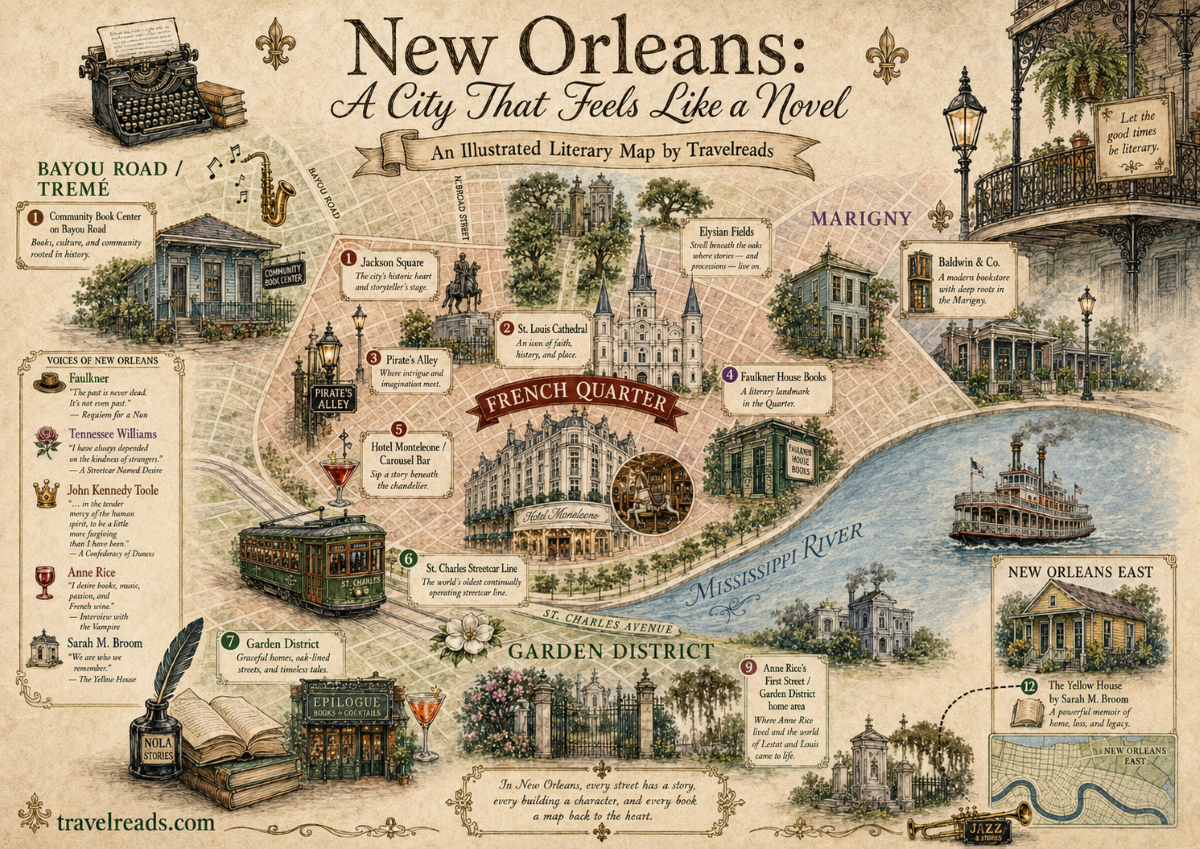
Following the Stories Through the City
The pleasure of literary travel in New Orleans is that the books do not remain on the page. Their settings, influences, and legacies can be found throughout the city.
Begin in the French Quarter, preferably without trying to move through it too quickly. The famous streets are only part of the experience. Look down the quieter side streets, notice the courtyards behind narrow entrances, and listen to how music and conversation move between public and private spaces.
Near Jackson Square, Pirate’s Alley runs beside St. Louis Cathedral. Faulkner House Books occupies the townhouse where Faulkner lived in 1925. The shop is small, elegant, and devoted to serious literature, with a particular emphasis on Southern writers and rare editions. Its intimate scale is part of the appeal. It feels less like a commercial stop than a private room preserved for readers.
Tennessee Williams can be followed through the same neighborhood, though his New Orleans is best experienced less as a checklist of addresses and more as an atmosphere. Ride the St. Charles streetcar. Walk through the Quarter in the evening. Notice the balconies, open windows, passing music, and close proximity in which people live. The city still offers the sense of performance and emotional intensity that fills his work.
The Tennessee Williams & New Orleans Literary Festival brings that legacy to life each spring with readings, conversations, theater, workshops, and events held largely in the French Quarter. Its famous Stella Shout may be the most playful expression of the festival, but the larger event shows that the city’s literary culture is not confined to its past.
In the Garden District, the experience changes. Streetcars travel beneath oak trees, grand houses sit behind gates and gardens, and the city’s layers of wealth, mythology, and reinvention become more visible. The Garden District Book Shop occupies The Rink, a historic building on Prytania Street. Its shelves include fiction, history, art, design, children’s books, and a strong selection of regional titles. Bar Epilogue, located inside the shop, serves literary-inspired cocktails, turning an afternoon of browsing into a distinctly New Orleans outing.
Literary New Orleans also extends beyond the city’s most familiar historic districts.
Baldwin & Co., a Black-owned independent bookstore and coffee shop in the Marigny, uses books as a way to encourage conversation, community, and social change. It is a place to discover Black writers, attend events, drink coffee, and encounter the city’s contemporary intellectual life rather than simply its literary past.
Community Book Center on Bayou Road offers another important perspective. Long associated with African-centered literature and New Orleans’s Black cultural life, it broadens the literary journey beyond the writers and neighborhoods most frequently presented to visitors.
Together, these places reveal a city where books are not treated as decorative evidence of former greatness. They remain part of how New Orleans understands, debates, and continually rewrites itself.
Reading New Orleans
New Orleans rewards travelers who arrive ready to look beyond the familiar landmarks. Its literature reveals a city shaped by humor, desire, memory, inequality, reinvention, and an extraordinary ability to turn everyday life into story. In these books, music drifts through open windows, old houses hold complicated histories, food carries the memory of migration, and celebration often exists alongside grief.
No single book can fully explain New Orleans, but each offers a different way into the city. Together, they introduce some of the writers, musicians, families, neighborhoods, and traditions that have made it one of the most distinctive places in America. For more books, travel guides, and inspiration, explore the full Travelreads guide to New Orleans.

The links above take you to Bookshop.org, our preferred bookselling partner. Every purchase supports independent bookstores, and we're proud to partner with an organization that shares our belief in the enduring value of books and local bookshops.