From the mystery of the first expeditions to the tragedies and triumphs of modern mountaineering, these six books reveal the extraordinary human stories behind the world's highest mountain.
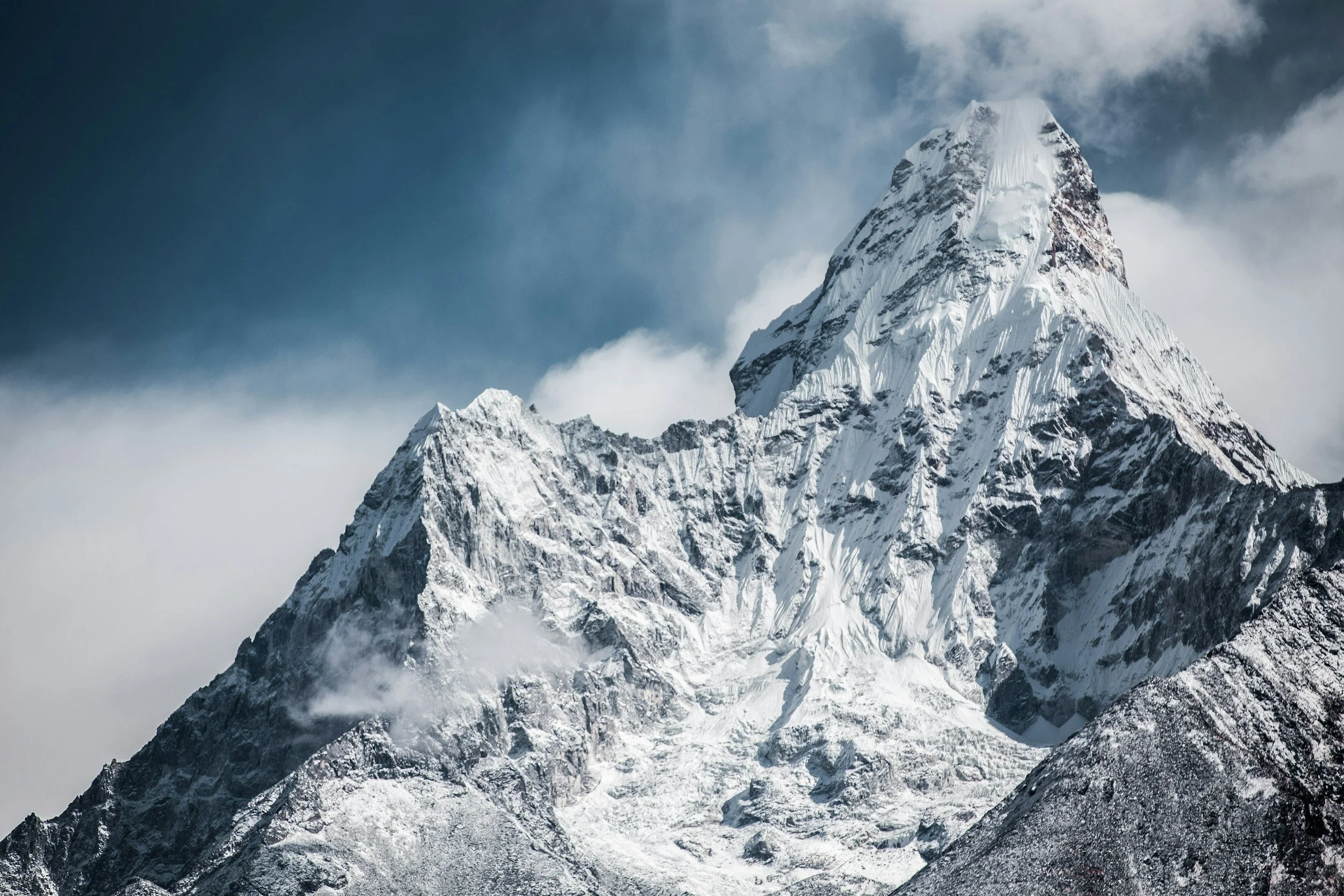
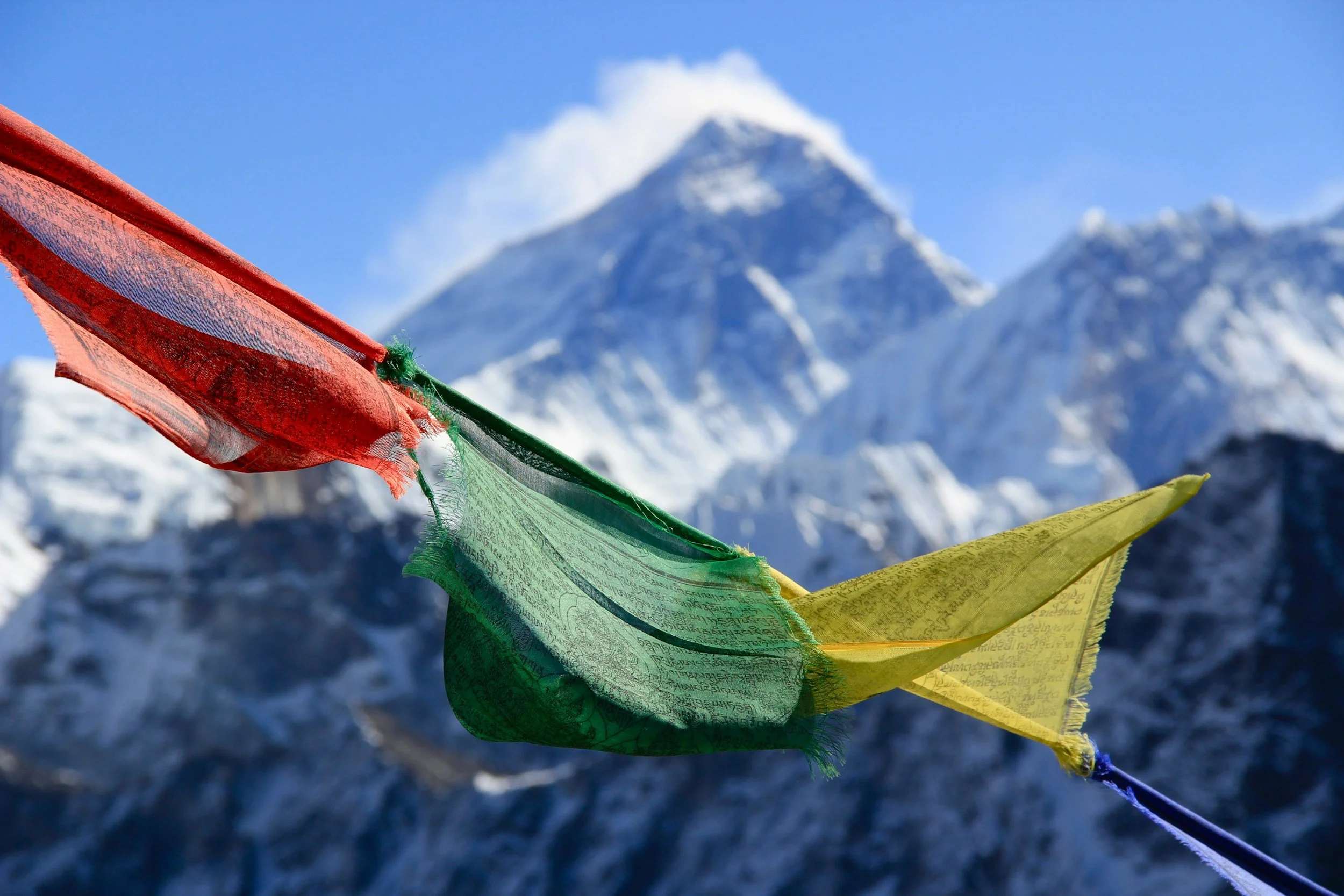
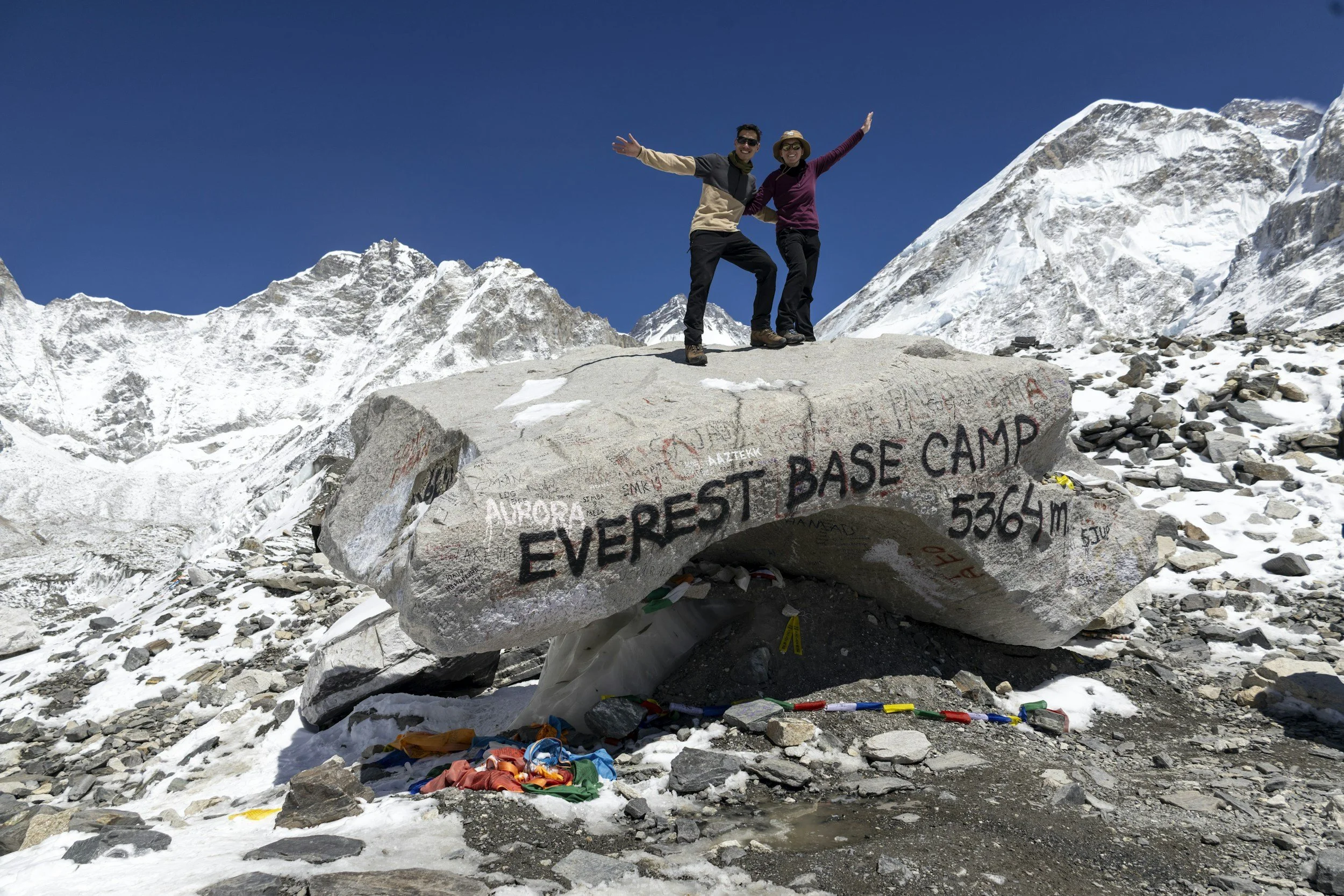
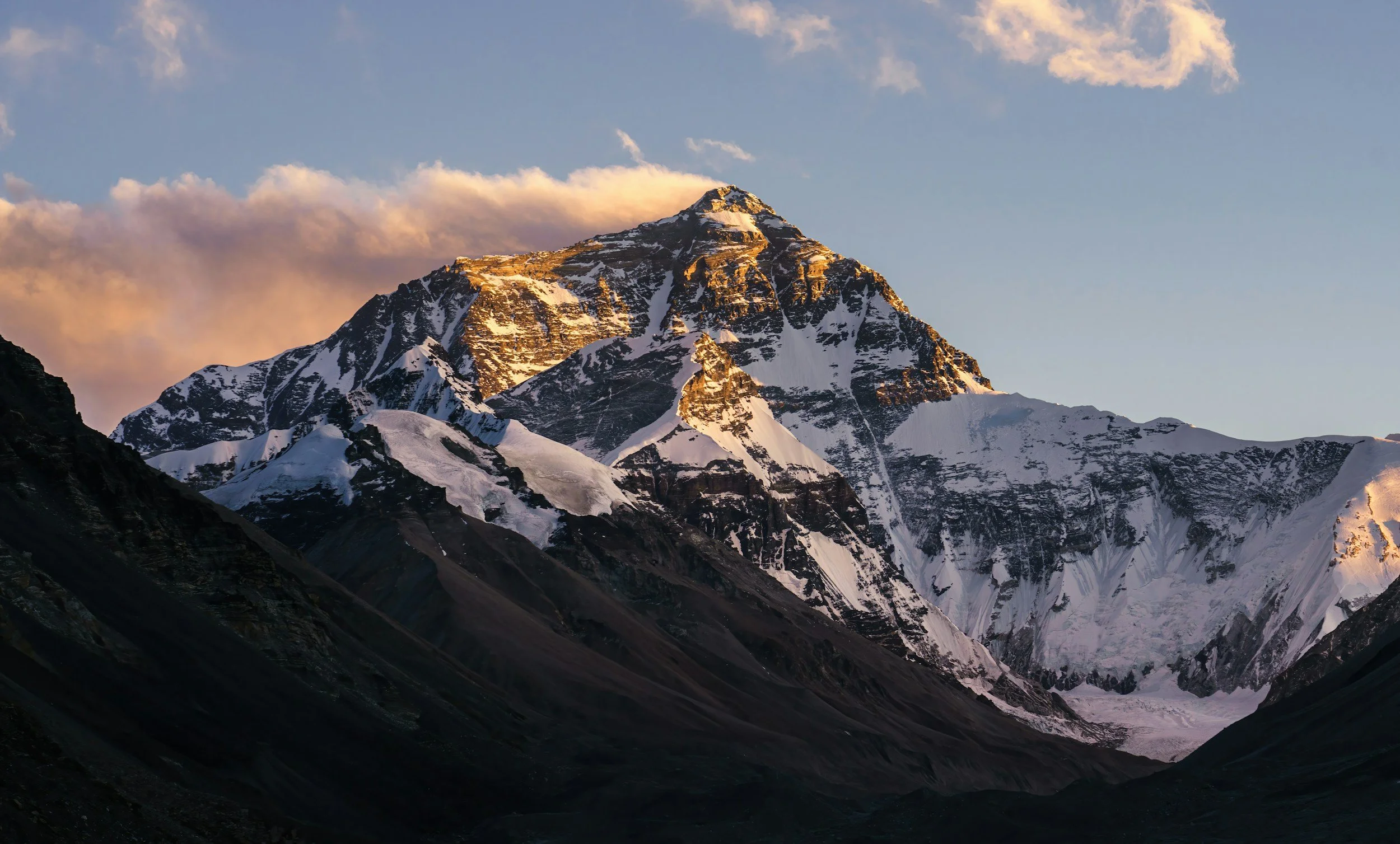
Rising 29,032 feet (8,849 meters) above sea level, Mount Everest is the highest point on Earth. Located in the Himalayas on the border between Nepal and Tibet, the mountain towers over a spectacular landscape of snow-covered peaks, deep valleys, and ancient Himalayan communities. Known as Sagarmatha in Nepal and Chomolungma in Tibet, Everest is both a sacred mountain and one of the world's most extraordinary destinations for exploration.
What is it about Mount Everest that makes people willing to risk everything to reach its summit? The question has fascinated adventurers, writers, and filmmakers for more than a century. And with the release of Everest: The Other Side, a new documentary from Oscar-winning filmmakers Jimmy Chin and Elizabeth Chai Vasarhelyi, the world's highest mountain is once again in the spotlight.
The film follows elite ski mountaineers Jim Morrison and Hilaree Nelson, whose shared dream was to climb Everest's formidable North Face and ski down one of the most dangerous slopes on Earth. It's a story of extraordinary ambition, love, and loss, set against some of the most spectacular mountain scenery imaginable.
But Everest's most compelling stories extend far beyond the summit.
There are the early explorers who disappeared into its clouds, the dreamers who attempted the impossible, the Sherpa families whose lives and traditions are inseparable from the mountain, and the modern adventurers who continue to test its limits.
For readers, Everest offers an extraordinary collection of true stories. These six books take us through nearly a century of climbing history, each revealing something different about the mountain and the people drawn to it.
The Everest Mystery, by Julie Summers and Jochen Hemmleb (2026)
The greatest unsolved mystery in mountaineering.
On June 8, 1924, two British climbers, George Mallory and Andrew "Sandy" Irvine, were spotted high on Mount Everest, still making their way toward the summit. Then they disappeared into the clouds. Neither man returned.
The mystery has haunted mountaineering ever since. Did Mallory and Irvine reach the summit nearly 29 years before Edmund Hillary and Tenzing Norgay's historic ascent? Or did they turn back, defeated by the altitude and treacherous terrain? Mallory's body was discovered in 1999, but it offered no definitive answer. Irvine remained missing for another century.
Then, in September 2024, a National Geographic expedition led by filmmaker and climber Jimmy Chin discovered a boot and partial human remains, with a sock bearing Irvine's initials, emerging from the ice below Everest's North Face. The discovery brought renewed attention to one of the great mysteries of exploration.
In The Everest Mystery, published in 2026, Julie Summers, Irvine's great-niece, and mountaineering historian Jochen Hemmleb revisit the remarkable 1924 expedition. Drawing on historical research and new evidence, they bring Irvine out of Mallory's shadow, revealing a talented 22-year-old whose mechanical ingenuity and knowledge of oxygen equipment made him an important member of the expedition.
The result is both an adventure story and a historical detective story, filled with the personalities, rivalries, and extraordinary hardships of early Himalayan exploration. More than a century later, the question of whether Mallory and Irvine reached the top remains unanswered. Perhaps that is part of what makes their story so irresistible.
The Moth and the Mountain, by Ed Caesar (2020)
The astonishing story of a man who believed he could conquer Everest alone.
If Mallory and Irvine represent the heroic age of organized exploration, Maurice Wilson represents something altogether stranger.
In 1933, Wilson, a British World War I veteran with almost no mountaineering experience and limited flying skills, hatched an audacious plan. He would fly a small Gipsy Moth biplane from England toward Everest, crash-land on the mountain's lower slopes, and climb to the summit alone. It was a scheme so improbable that British authorities tried to stop him.
Wilson flew as far as India, then continued toward Everest on foot, eventually entering Tibet in disguise. With the assistance of three Sherpas, he reached the mountain and began his attempt. He never returned.
In The Moth and the Mountain, journalist Ed Caesar reconstructs Wilson's extraordinary adventure while exploring the troubled life that drove him toward such a dangerous undertaking. Wilson had survived the horrors of World War I, struggled with relationships and depression, and become convinced that faith, fasting, and sheer determination could carry him to the world's highest point.
His story is sometimes absurd, often heartbreaking, and remarkably human. Caesar doesn't simply celebrate Wilson's courage; he asks what happens when personal redemption becomes tangled up with an impossible dream.
It's one of Everest's most unusual stories, and a fascinating reminder that the mountain has always attracted far more than accomplished climbers.
Touching My Father's Soul, by Jamling Tenzing Norgay (2001)
Everest through the eyes of a Sherpa family.
On May 29, 1953, Edmund Hillary and Tenzing Norgay achieved what generations of explorers had failed to accomplish: the first confirmed ascent of Mount Everest. Their triumph made international headlines and transformed both men into legends. But what did reaching the summit mean to Tenzing Norgay, and to the Sherpa communities for whom the mountain had long held profound spiritual significance?
In Touching My Father's Soul, Tenzing's son, Jamling Tenzing Norgay, offers a deeply personal perspective.
More than four decades after his father's historic climb, Jamling joined the 1996 Everest IMAX expedition led by filmmaker David Breashears. The expedition took place during the same climbing season as the deadly storm made famous by Jon Krakauer's Into Thin Air. Jamling's account moves between his own difficult ascent and the story of his father's achievement, while offering a window into Sherpa traditions, Buddhist beliefs, and the culture of the Himalayan climbing community.
For many Western adventurers, Everest represents an ultimate personal challenge. But for the Sherpa people who guide climbers, establish routes, transport equipment, and sustain the climbing industry, the mountain carries meanings that extend far beyond individual accomplishment. Jamling's story reminds us that Everest's history cannot be told solely through the experiences of the foreign climbers who arrive each spring.
Of all the books in this collection, Touching My Father's Soul may do the most to change how readers think about the mountain itself.
Into Thin Air, by Jon Krakauer (1997)
The modern classic that exposed the dangers of Everest.
On May 10, 1996, journalist Jon Krakauer was high on Mount Everest as part of a commercial expedition led by renowned New Zealand guide Rob Hall. Krakauer had joined the climb on assignment for Outside magazine, intending to report on the growing business of guided Everest expeditions. Instead, he found himself caught in one of the mountain's most devastating disasters.
As climbers struggled to descend from the summit, a violent storm engulfed the mountain. Exhaustion, dwindling oxygen supplies, and deteriorating visibility created a terrifying situation. Eight climbers died on Everest during the May 10–11 disaster, including Hall and fellow expedition leader Scott Fischer. Krakauer survived, but the experience profoundly affected him.
His bestselling account, Into Thin Air, is among the most gripping works of adventure nonfiction ever written. It captures the physical misery of climbing at extreme altitude, the increasingly desperate decisions made during the storm, and the terrible consequences when plans unravel in an environment where even a small mistake can prove fatal.
Yet the book is about more than survival. Krakauer questions the commercialization of Everest, the responsibilities of professional guides, and the motivations of climbers willing to pay substantial sums for a chance to stand on the summit. His version of events was challenged by other survivors, adding another troubling dimension to the story: how do we determine what really happened when witnesses are exhausted, oxygen-deprived, and struggling with trauma?
Nearly thirty years after its publication, Into Thin Air remains one of the defining books about Mount Everest, and one of our favorite adventure reads.
Read our full Travelreads review of Into Thin Air.
Everest, Inc., by Will Cockrell (2024)
How the world's highest mountain became a global business.
The Everest of Mallory and Irvine was a remote and largely unknown wilderness, accessible only to a small number of highly experienced explorers. Today's Everest is something very different. Each climbing season, paying clients arrive in Nepal hoping to reach the summit with the assistance of professional guides, Sherpa climbing teams, specialized equipment, and an increasingly sophisticated expedition infrastructure.
How did this transformation happen?
In Everest, Inc., journalist Will Cockrell traces the rise of commercial mountaineering, beginning with the unconventional entrepreneurs and guides who recognized an opportunity to make Everest accessible to people who would never have qualified for the great national expeditions of the past. The resulting business changed Everest forever.
Cockrell introduces the personalities who helped build the industry, examines the economics of guided climbing, and explores the complex relationship between international adventure tourism and the communities that make these expeditions possible. The book also challenges some familiar assumptions. Commercial climbing has unquestionably introduced new pressures, including overcrowding, environmental concerns, and difficult questions about the risks borne by local workers. But it has also created employment, economic opportunities, and a route to the summit for a much broader range of people.
Cockrell doesn't offer a simple verdict. Instead, he reveals an industry full of contradictions, where extraordinary human achievement and commercial ambition are often inseparable. For anyone curious about what Everest has become, Everest, Inc. is a particularly revealing read.
There and Back: Photographs from the Edge, by Jimmy Chin (2021)
Seeing Everest through the eyes of the filmmaker behind Everest: The Other Side.
Perhaps no contemporary filmmaker has done more to capture the beauty, danger, and psychology of extreme adventure than Jimmy Chin. The celebrated climber, photographer, and co-director of Free Solo has spent decades accompanying some of the world's most accomplished athletes into places where few others would dare to venture.
Long before making Everest: The Other Side, Chin had his own frightening experience on the mountain's North Face. In 2003, he joined snowboarder Stephen Koch on an attempt to climb and descend Everest's direct North Face. The pair planned to climb alpine-style, without supplemental oxygen, fixed ropes, or established camps.
Their expedition ended after an enormous piece of ice broke away above them. The falling debris narrowly missed the climbers, but the force of the collapse threw Chin and their equipment across a glacier riddled with crevasses. Recognizing the danger, they abandoned the attempt. More than two decades later, Chin returned to the same formidable face as a filmmaker, following Jim Morrison's extraordinary ambition to ski the mountain.
Chin's 2021 photography collection, There and Back, offers a fascinating look at the experiences that shaped his career. The book is not exclusively about Everest. Its more than 200 photographs span expeditions around the world, from Himalayan peaks and remote Antarctic landscapes to the sheer granite walls of Yosemite.
But Everest features prominently, including Chin's 2003 snowboarding expedition and his later adventures on the mountain. Alongside the spectacular images are stories of remarkable athletes, difficult decisions, dangerous conditions, and the relationships formed through shared experiences at the limits of human endurance.
For anyone inspired by Everest: The Other Side, There and Back makes a particularly fitting companion. It offers the chance to see these extraordinary places through the eyes of someone who has spent much of his life exploring, photographing, and attempting to understand them.
Why Everest Still Fascinates Us
A century after Mallory and Irvine disappeared into the clouds, Everest continues to inspire extraordinary feats of courage, ambition, and sometimes obsession. The mountain has changed, but its hold on the human imagination remains as powerful as ever.
Each of these six books reveals a different side of Everest, from its fascinating history and remarkable people to the breathtaking beauty and danger of its slopes. Together, they offer something that even the most spectacular photograph cannot: a deeper understanding of the world's highest mountain and the stories that make it unforgettable.