Intensively Alive: Why New York City Captures Us
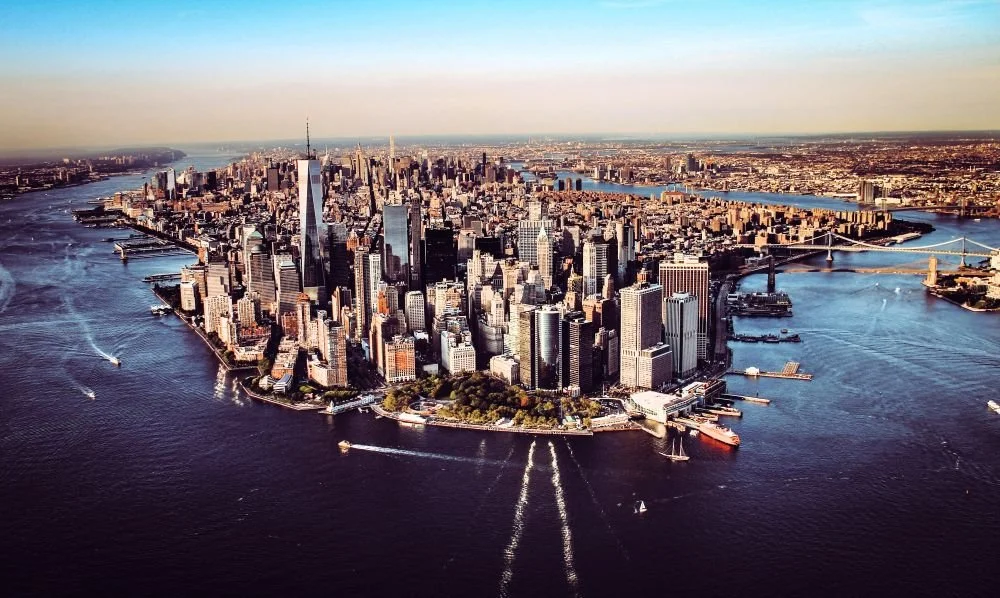

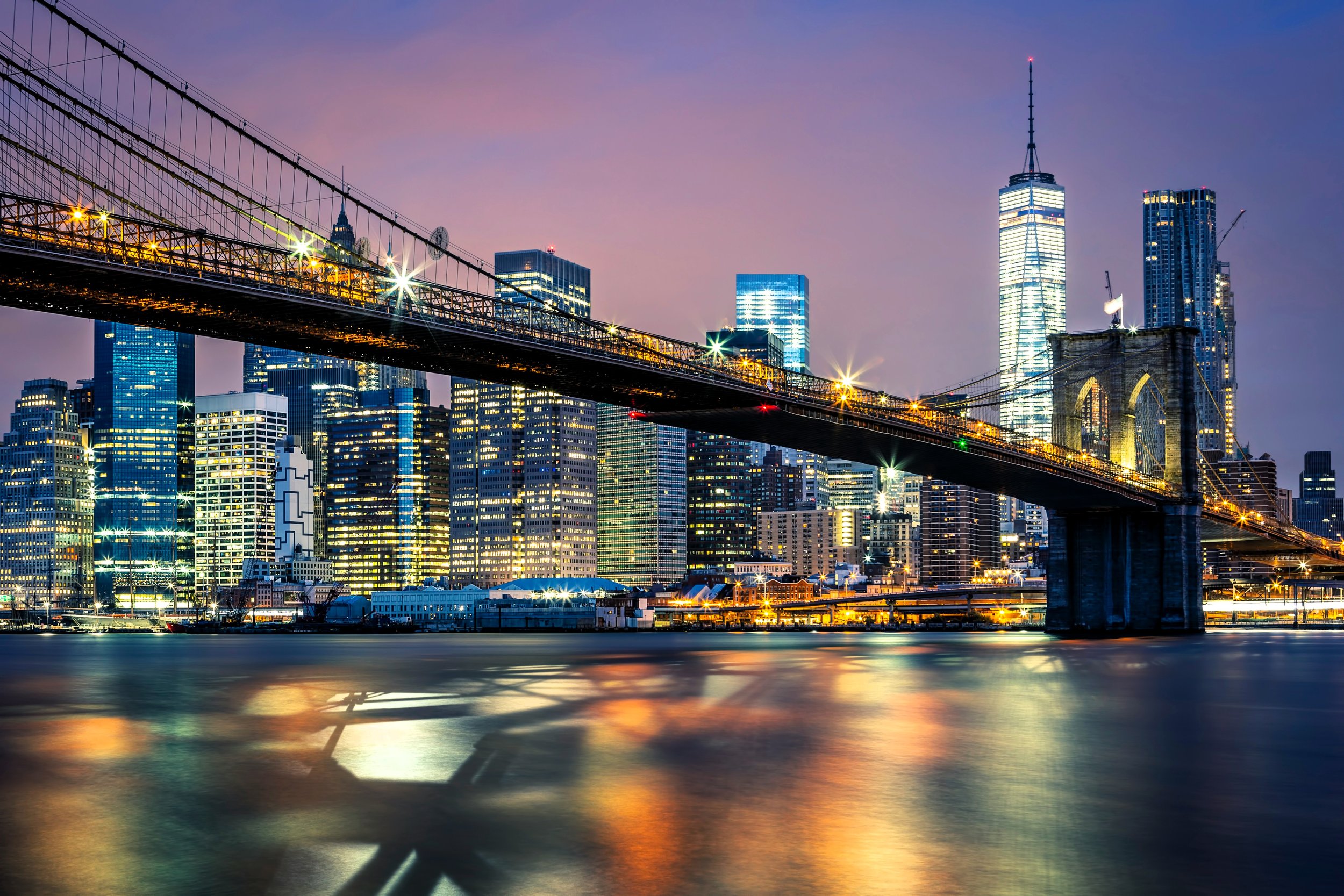
New York is loved not because it is easy, peaceful, or conventionally beautiful, but because it makes life feel larger.
The city brings millions of people, cultures, ambitions, and histories into constant contact. Its streets offer the freedom to disappear into a crowd and the possibility of becoming someone new. Every neighborhood has its own character, every block contains traces of what came before, and every subway car carries lives that might otherwise never meet.
New York can be exhausting, imperfect, generous, lonely, exhilarating, and deeply human—often within the same hour. A quiet morning in Central Park can give way to a packed subway platform, a Broadway curtain rising in the Theater District, dinner in a crowded Chinatown restaurant, and a late-night jazz set or comedy show in Greenwich Village. The city surrounds you, challenges you, and pulls you into its rhythm.
Its beauty comes partly from contrast. Glass towers rise beside century-old apartment buildings. A grand museum may sit only a few blocks from a neighborhood deli, a community garden, or a family business passed down through generations. Madison Square Garden can fill with thousands of basketball fans or concertgoers while, elsewhere in the city, an aspiring comedian tests new material in a basement club. The Apollo Theater carries the legacy of generations of Black performers, while smaller stages give actors, musicians, dancers, comics, and writers a place to try something new.
More than anything, the city makes people feel awake—to the world around them and to the possibilities within their own lives. New York has long attracted people who want to create, perform, build, escape, begin again, or find a place where being different feels possible. Some arrive with enormous ambitions. Others come looking for work, community, anonymity, or a fresh start. Together, they create the restless human energy for which the city is known.
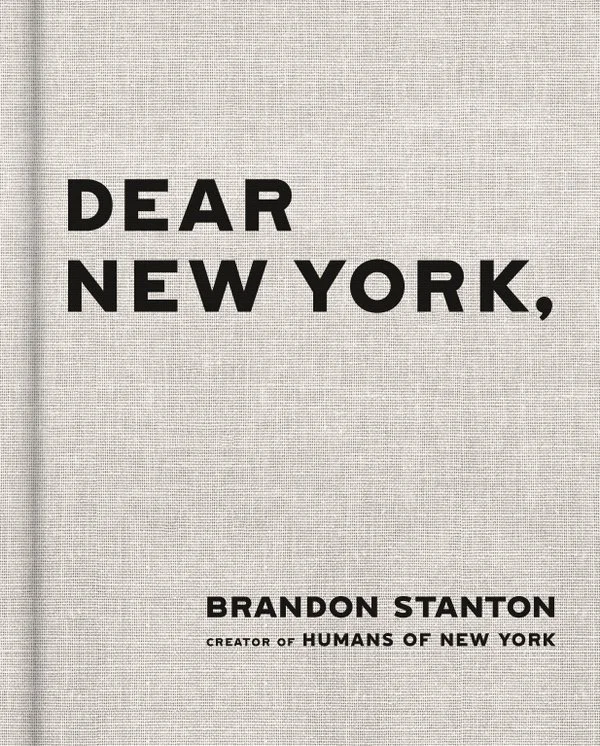
Few projects have captured that energy more clearly than Humans of New York. Through his photographs and conversations, Brandon Stanton turned his attention away from the skyline and toward the individuals moving beneath it. Teachers, immigrants, artists, students, parents, business owners, children, retirees, and people facing extraordinary difficulties became part of a collective portrait of the city.
Stanton’s Dear New York brings that idea back to the place where it began. Built around portraits and personal stories, it is a love letter to New York told through the people who give it character. The book reflects one of the city’s most compelling contradictions: New York offers the freedom to remain anonymous, yet it is filled with individuals whose lives become fascinating the moment someone stops long enough to listen.
Those lives unfold within neighborhoods that can feel like separate cities.
Walk fifteen minutes and New York can change around you. The historic townhouses, small theaters, jazz clubs, comedy rooms, and crowded cafés of Greenwich Village give way to SoHo’s cast-iron buildings, galleries, and fashionable storefronts. Continue east and the signs, languages, markets, and aromas begin to shift as you enter Chinatown. Nearby, the Lower East Side still carries traces of the generations who lived in crowded tenements, established places of worship, opened small businesses, and built new lives.
Farther north, Harlem remains one of the country’s most important centers of African American music, literature, theater, art, and political thought. The Upper West Side has its own mixture of residential streets, cultural institutions, bookstores, and neighborhood restaurants. Cross Central Park and the character changes again. Travel into Brooklyn and the city expands into dozens of communities with identities shaped by different histories, industries, immigrant groups, and generations of residents.
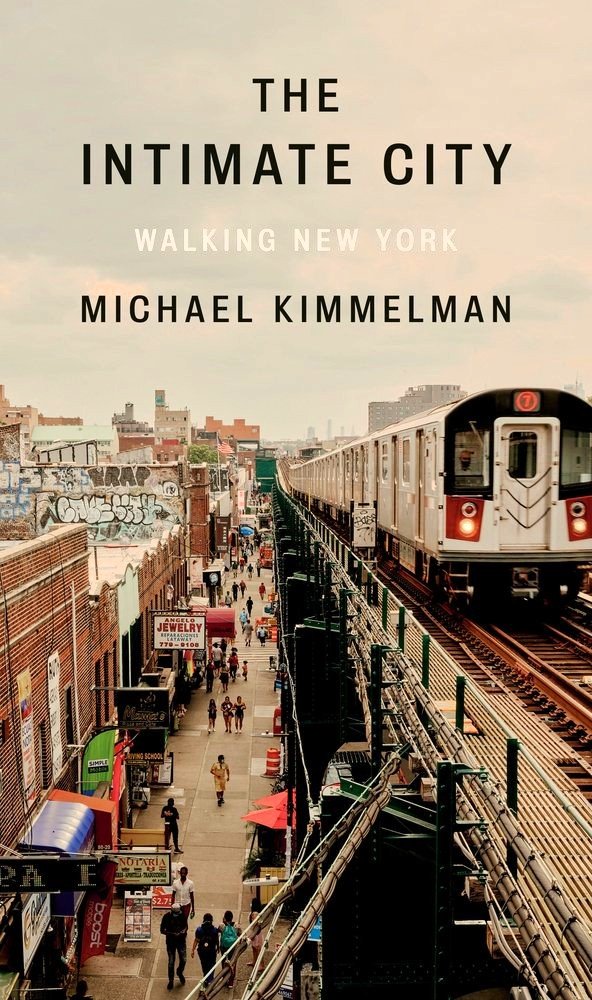
The Intimate City: Walking New York by Michael Kimmelman offers a thoughtful way to understand these differences. Through walks with architects, historians, community leaders, and other New Yorkers, Kimmelman explores how buildings, parks, streets, transportation, and public spaces have shaped the character of the city’s neighborhoods. The book adds context without reducing New York to a checklist of attractions.
That context matters because New York often reveals itself most clearly at street level. Some of its most memorable experiences are not planned: overhearing a conversation on the subway, watching a chess match in Washington Square Park, hearing a musician perform beneath the city streets, or turning down a side street because laughter is spilling from a comedy club or music is coming through an open doorway.
A visit to The Strand Bookstore offers a fitting place to begin. Near Union Square, its floors of new, used, and rare books attract lifelong New Yorkers, students, writers, actors, and visitors from around the world. Step outside and Union Square brings together office workers, market vendors, shoppers, musicians, protesters, chess players, and people simply watching the city pass.
From there, you might head south toward Washington Square Park and the Village, where independent bookstores, small theaters, comedy clubs, jazz rooms, cafés, and historic streets remain part of the neighborhood’s creative identity. Or walk north toward Madison Square and the Flatiron District, watching the architecture, pace, and atmosphere change along the way. In New York, a relatively short walk can pass through several different versions of the city.
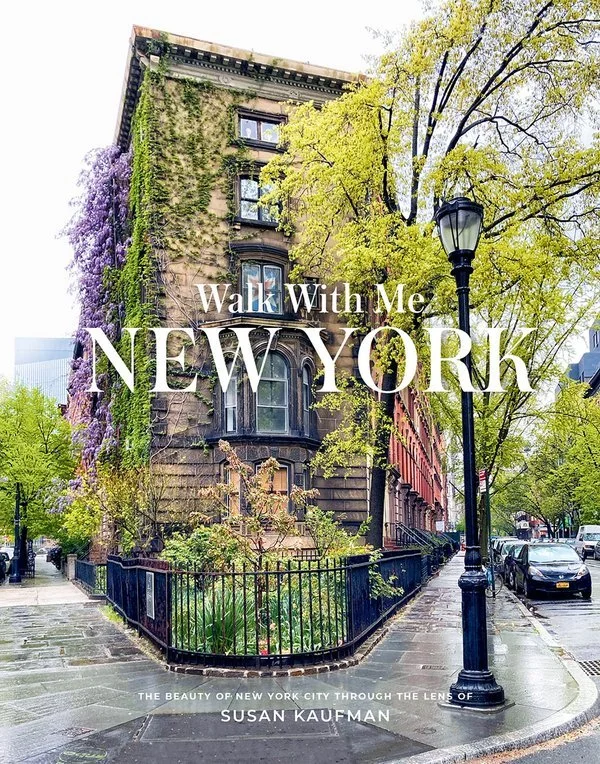
Susan Kaufman’s Walk With Me: New York captures this street-level experience through photographs of brownstones, storefronts, cafés, flower boxes, parks, and neighborhood details. Its focus is not the monumental New York seen from an observation deck, but the more intimate city discovered while wandering. The book encourages readers to notice the visual character of ordinary streets and the small touches that distinguish one block from the next.
The city’s history is equally visible around the table. New York’s celebrated food culture was created largely by people who arrived from elsewhere and brought their recipes, traditions, and businesses with them.
Bagels, appetizing shops, and delicatessens reflect the city’s Jewish history. Italian immigrants helped turn pizza into a New York institution. Chinatown’s restaurants, bakeries, and markets preserve culinary traditions carried across generations. Dominican communities have shaped the food of Washington Heights, while Korean restaurants and businesses have made Koreatown one of Midtown’s liveliest evening destinations.
The story continues through Greek tavernas in Astoria, Caribbean restaurants in Brooklyn, food carts in Midtown, bakeries on the Lower East Side, and small family restaurants throughout Queens. New York’s food is not one cuisine. It is the result of communities arriving, adapting, preserving traditions, and sharing them with the rest of the city.
Diners, delis, bakeries, pizza counters, cafés, and neighborhood restaurants are also part of New York’s social life. They are where performers gather after a show, musicians meet between sets, families celebrate important moments, and audiences continue conversations long after the theater has gone dark.
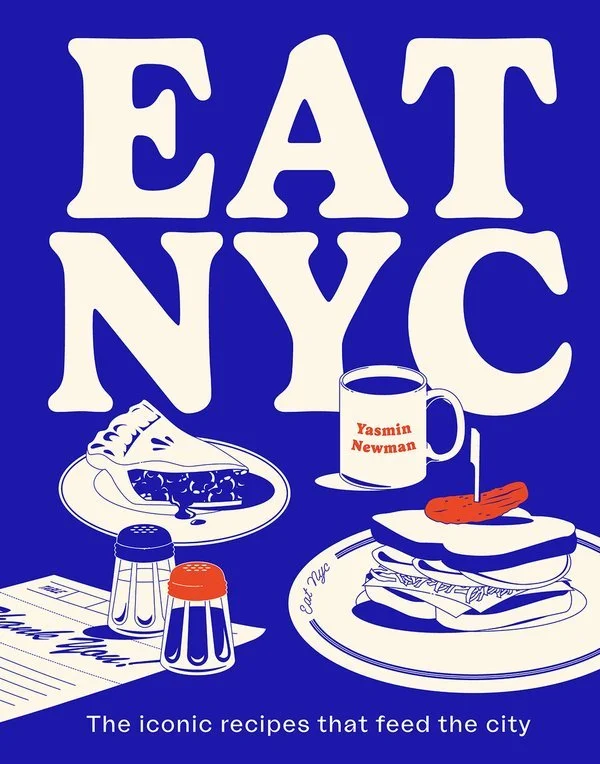
Eat NYC: The Iconic Recipes That Feed the City by Yasmin Newman explores this history through dishes closely associated with New York. Combining recipes with the people, places, and traditions behind them, it shows how foods such as pizza, pastrami, bagels, cheesecake, and dumplings became part of the city’s shared identity.
New York’s museums, parks, architecture, skyline, theaters, comedy clubs, music venues, restaurants, and bookstores are among the finest in the world. But even together, they do not fully explain why the city has inspired so much affection, ambition, art, literature, music, and longing. The deeper appeal lies in the density of human life. New York allows people to feel anonymous and significant at the same time. It offers the freedom to disappear into a crowd, but also the possibility of beginning again, finding an audience, joining a community, or creating a life that might not have seemed possible elsewhere.
Books can help explain the history and introduce some of the people who have shaped New York, but the city ultimately needs to be experienced in person. It is felt while emerging from a subway station into an unfamiliar neighborhood, joining the crowd outside a theater or arena, sharing a table in a busy restaurant, or setting out on foot without knowing exactly where the next block will lead.
That constant collision of stories is what gives New York its energy—and why, for so many people, simply being there makes the world feel larger and life feel intensely alive.
New York’s intensity is only one part of what makes the city so endlessly fascinating. Continue exploring New York City through the books, stories, neighborhoods, and travel inspiration featured on our NYC destination page.