Books to Spark a Love of Reading for Kids
Getting kids to love reading doesn't have to be complicated. It's really about finding the right books and making reading feel fun, and not forced. When a child discovers a story that grabs them, reading stops being homework and starts being something they actually want to do. The key is keeping things relaxed and letting kids have some control. Take them to the bookstore or library and let them browse. When they pick their own books—even if it's the same dinosaur book for the hundredth time—they're more invested. Mix reading into regular life: bedtime stories, audiobooks in the car, or reading together on a lazy Sunday morning. The goal is making books feel like entertainment, not a chore.
Here are seven books that consistently hook young readers and help develop a genuine love of reading:
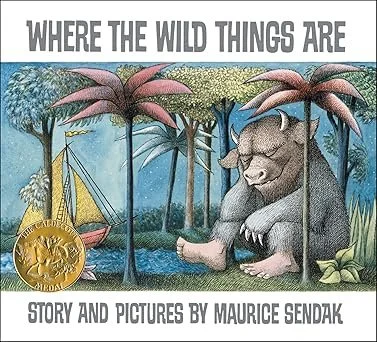
1. Where the Wild Things Are by Maurice Sendak
This picture book packs serious emotional depth into just a few pages. Max's journey to the land of the Wild Things and back home again resonates with kids dealing with big feelings. The illustrations are captivating, and the story validates children's emotions while showing them that imagination is powerful. It works for kids ages 3-7 and often becomes a book they return to as they grow, discovering new layers each time. Parents appreciate how it opens conversations about anger, adventure, and the comfort of home.
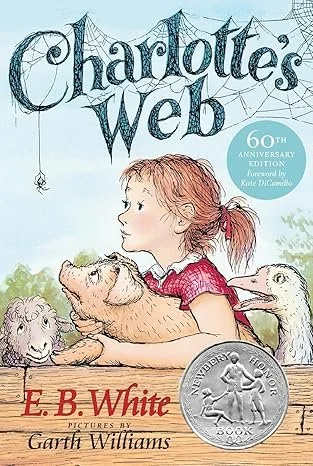
2. Charlotte's Web by E.B. White
This chapter book is often a child's first experience with a story that makes them cry—in a good way. The friendship between Wilbur the pig and Charlotte the spider teaches empathy, loyalty, and that saying goodbye is part of life. It's perfect for ages 7-10 and works well as a read-aloud for younger kids or independent reading for older ones. The farm setting and animal characters make complex themes accessible, and many kids finish it with newfound respect for the natural world and a deeper understanding of what friendship really means.
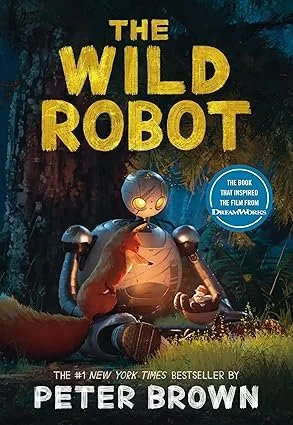
3. The Wild Robot by Peter Brown
This modern adventure follows Roz, a robot who wakes up alone on a remote island and must learn to survive in the wilderness. For ages 8-12, it's a brilliant exploration of adaptation, belonging, and what it means to find your place in the world. As Roz explores the island, makes unlikely friends with the animals, and learns to navigate an entirely foreign environment, kids see themes of discovery and resilience play out in fresh ways. The story works on multiple levels—it's exciting and fast-paced while also raising questions about nature, technology, and home. Many readers finish it and immediately want the sequels, making it an excellent gateway to series reading.
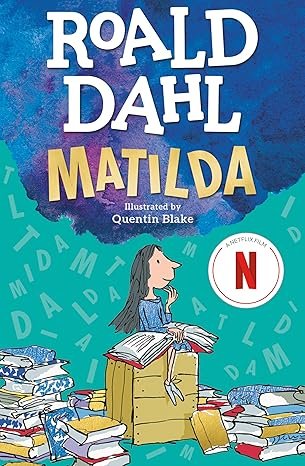
4. Matilda by Roald Dahl
Matilda herself is a book lover, which makes this story particularly effective at encouraging reading. Kids identify with her intelligence, her frustrations with unfair adults, and her magical abilities. For ages 7-11, it validates smart kids who feel different and shows that reading itself can be an act of rebellion and empowerment. Dahl's humor keeps the pages turning, and the message that knowledge is power resonates long after they finish. Many reluctant readers get hooked on this one because Matilda makes being a bookworm look cool.
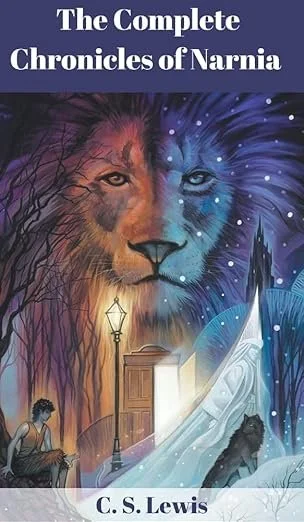
5. The Chronicles of Narnia: The Lion, the Witch and the Wardrobe by C.S. Lewis
This fantasy classic offers everything: a hidden magical world, talking animals, good versus evil, and siblings who must work together. For ages 8-12, it's often a gateway into longer fantasy series. The wardrobe itself becomes symbolic—kids start seeing ordinary objects as potential portals to adventure. The themes of courage, sacrifice, and redemption work on multiple levels, making it a book that grows with readers. It also naturally leads to the rest of the Narnia series, giving newly hooked readers more content to explore.
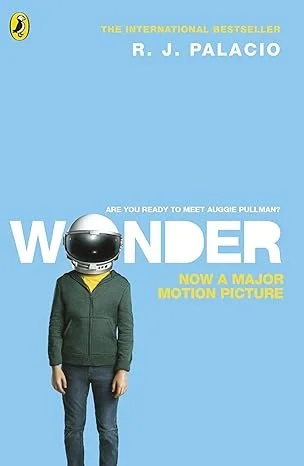
6. Wonder by R.J. Palacio
This contemporary novel tells the story of Auggie, a fifth-grader with facial differences starting school for the first time. For ages 8-12, it's a powerful lesson in kindness, empathy, and seeing beyond appearances. What makes it especially engaging for young readers is the multiple perspectives; the story shifts between different characters, showing how the same events look through different eyes. Kids often report that it changed how they think about others and themselves. It sparks important conversations about bullying, friendship, and acceptance without feeling preachy. The book's popularity means many kids have friends who've read it too, creating natural opportunities to discuss the themes together.
7. Percy Jackson and the Lightning Thief by Rick Riordan
This action-packed adventure introduces Percy, a kid with dyslexia and ADHD who discovers he's actually a demigod. For ages 9-13, it's the perfect blend of humor, mythology, and relatable struggles. Riordan cleverly weaves Greek myths into a modern American setting, making ancient stories feel relevant and exciting. What hooks reluctant readers is the fast pace—there's always another monster to fight or mystery to solve. Percy's learning differences are portrayed as strengths in the world of demigods, which resonates deeply with kids who struggle in traditional school settings. It's the first in a long series, so once kids are hooked, they have plenty more to read. Many parents report this was the book that finally turned their non-reader into someone who couldn't put books down.
Why Books Make Better Gifts Than Toys
Books don't need batteries, they don't break, and kids don't outgrow them the same way they do toys. A good book gets read multiple times, passed to younger siblings, and remembered years later. Picture books for toddlers, early readers for kindergarteners, chapter books for elementary schoolers… there's always something age-appropriate that will capture a child's imagination. Unlike the latest trending toy that'll be forgotten in three months, books become part of a child's story.
Building Lifelong Readers
Developing reading skills and a love of books doesn't require rigid schedules or forced reading time. It happens when books are accessible, when adults read too (kids notice), and when stories are shared experiences. Whether it's letting a child stay up fifteen extra minutes to finish a chapter, asking what happened in their book over dinner, or simply having a house full of books to choose from, these small things add up. Once a child finds that first book they can't put down, something clicks. They realize reading isn't something adults make them do—it's a way to experience adventures, learn about anything they're curious about, and escape into different worlds whenever they want. That's when the real magic happens, and that love of reading tends to stick with them for life.